As an Amazon Associate, we earn from qualifying purchases. Some links on this site are affiliate links at no extra cost to you. Our recommendations are based on thorough research and editorial judgment.


Electrical Safety Tips When Using Corded Vacuum Cleaners

To guarantee electrical safety while using corded vacuum cleaners, inspect the cord for frays or cuts before every use. Avoid vacuuming wet surfaces to reduce shock risks, and keep children and pets away to prevent accidents. Use only compatible extension cords, preferably 16-gauge, and avoid running over cords. Regularly empty canisters or replace dust bags for peak performance. Proper footwear is recommended, and do not attempt to pick up large or flammable objects. More tips can enhance your vacuuming safety.
Key Takeaways
- Inspect the vacuum cord for frays, cuts, or exposed wires before each use to ensure electrical safety.
- Avoid vacuuming wet surfaces to prevent electrical shock and damage to the vacuum’s motor.
- Keep children and pets at a safe distance during vacuuming to reduce the risk of accidents and tripping hazards.
- Use an extension cord rated for the vacuum’s wattage and inspect it for wear or damage prior to use.
- Always unplug the vacuum by gripping the plug and not the cord to maintain its integrity and prevent electrical hazards.
Inspect the Cord Before Use
Inspecting the cord of a corded vacuum cleaner is a fundamental step in guaranteeing electrical safety and ideal performance. Before each use, it is essential to inspect the cord for any frays, cuts, or exposed wires, which can lead to electrical accidents. A damaged cord may result in electrical shocks or even fire hazards. Users should also check for loose wires, bent prongs on the plug, and guarantee all components are intact. Regular inspections for kinks or tight bends can help prevent long-term damage, thereby enhancing the vacuum’s overall functionality. Safety precautions include reporting any visible damage to a supervisor or technician, and refraining from using the vacuum until it has been thoroughly inspected or repaired. Using pH-neutral cleaners can help maintain the integrity of the cord and surrounding surfaces, preventing potential damage from harsh chemicals.
Avoid Vacuuming Wet Surfaces

When using a corded vacuum cleaner, it is essential to avoid vacuuming wet surfaces, as this poses significant electrical shock risks due to the exposure of electrical components to water. Standard vacuums are not designed for liquid, and using them on wet surfaces can damage the internal components, leading to costly repairs or even complete replacement of the unit. Many manufacturers specifically state in their guidelines that their vacuums should not be used on liquids, further emphasizing safety concerns. Instead, users should opt for a wet/dry vacuum that is engineered to handle spills safely, preventing damage to the motor. Always allow spills to dry up before using a standard vacuum cleaner to guarantee safe operation and enhance the longevity of the machine. For optimal performance, users should check specific model filters to ensure compatibility and prevent any potential performance issues when using a wet/dry vacuum.
Recommended Products

1.HIGH SUCTION AND LOW NOISE:The 1000-watt twin fan motor is our most durable motor with an extended lifetime and lower operating noise than standard single fan systems.

Our largest Dust Collector features a whopping 4029 CFM capacity and can handle any large duct system with a static pressure loss less than 16

Cyclonic action separates the heavy dust particles from the fine particles and drops them into the 55-gallon steel drum
Keep Children and Pets Away

To guarantee a safe vacuuming environment, it is essential to keep children and pets away from the area where the corded vacuum cleaner is in use. The noise and movement of vacuum cleaners can easily distract children and pets, leading to potential accidents or injuries if they get too close. Moreover, unattended vacuum cleaners may create tripping hazards, resulting in falls or entanglement in the power cord. Educating older children on vacuum cleaner safety helps them understand not to approach the device while it is operational. Additionally, storing vacuum cleaners out of reach when not in use prevents accidental power-on scenarios. Establishing a clear operating area and regularly reminding children and pets to stay away enhances safety while vacuuming. Some cordless models provide more freedom of movement, which may be advantageous for quick clean-ups in homes with active children and pets.
Be Cautious of Cords and Kinks
A thorough awareness of cord management is vital for safe operation of corded vacuum cleaners. Users should always stretch out the vacuum cord completely before use to avoid loops and kinks, which can lead to serious safety hazards and damage. Regular inspection of the cord is necessary to identify fraying or cuts, as these issues increase the risk of electrical shock or fire. It is important not to run over the cord while vacuuming, as this can compromise the cord’s insulation and create electrical hazards. When storing the vacuum, coiling the cord neatly from the machine end helps prevent tangling. Maintaining a clear pathway and positioning cords away from sharp corners further reduces the likelihood of kinks and promotes ideal safety during use. For those using vacuums for car detailing, ensuring the suction power is between 20,000Pa to 50,000Pa can enhance cleaning efficiency while maintaining safety.
Recommended Products

10X HIGHER SUCTION POWER than standard dust collectors and the only dust collection system on the market with high enough levels of static pressure (WC) and airflow (CFM) to effectively capture and contain dust from every tool in the shop with a dust port size of 1” to 5”. BEST DUST COLLECTOR – Popular Mechanics 2020 Tool Awards
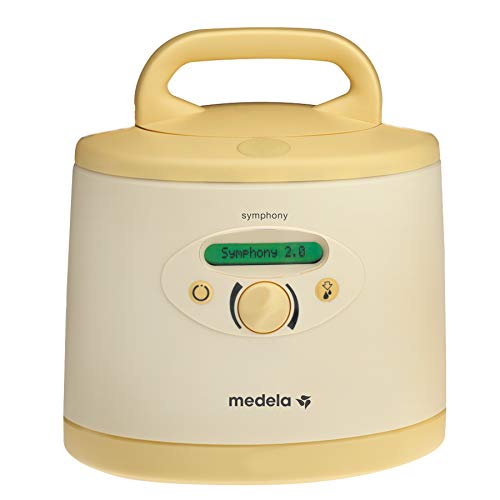
HOSPITAL GRADE: Helps initiate and maintain milk supply with Medela’s patented, research-based 2-Phase Expression Technology, designed to closely mimic a baby’s natural nursing rhythms and proven to express 18% more breast milk when double pumping

Raptor Deluxe Kit Raptor is powerful, small, light, and easy to maneuver on all types of auto glass.
Wear Proper Footwear While Vacuuming
Proper footwear is an important consideration for anyone vacuuming with a corded model. Wearing shoes or slippers with rubber soles can protect against sharp objects and debris that may be on the floor. Rubber soles offer better grip on slippery surfaces, which lowers the risk of slips and falls during cleaning. Additionally, individuals should always make sure they avoid open-toed footwear, as it increases the chances of injury from inadvertently stepping on small sharp items. Comfortable shoes also help maintain balance and stability while maneuvering the vacuum around corners and tight spaces. In addition, wearing the right footwear can insulate against static electricity buildup during vacuuming, minimizing the risk of electric shock. HEPA filters capture 99.99% of allergens, making them a crucial component in maintaining a clean and safe environment. Consequently, proper footwear plays an essential role in guaranteeing safety.
Don’t Attempt to Pick Up Large Objects
Many people may think that a corded vacuum cleaner can handle various tasks, including the pickup of larger debris. However, it is important to remember that these devices are designed primarily for smaller particles. Consequently, don’t attempt to pick up large objects, as doing so can lead to damage to the internal motor and components. Forcing the vacuum to tackle oversized items increases the likelihood of blockages, which can greatly reduce suction efficiency and lead to costly repairs. Additionally, sharp objects can puncture or damage hoses or bags, posing safety hazards. Keeping your vacuum effective requires inspecting the area before use, ensuring larger debris is removed, and adhering to the proper usage guidelines to extend its lifespan and maintain safety. Moreover, being aware of the noise level evaluation can enhance user comfort and prevent disruption in sensitive environments.
Stay Away From Flammable Materials
Using vacuum cleaners near flammable or combustible materials, such as gasoline or fine powders, poses considerable fire hazards. The electric motor generates heat, which may ignite these substances under the right conditions. The risk increases when flammable particles come into contact with the electrical components of the vacuum. To enhance safety, it is essential to inspect the cleaning area before starting, ensuring all combustible items are removed. If spills or coarse debris containing flammable materials are present, appropriate cleaning methods should be employed instead of a vacuum. A clean environment, devoid of flammable substances, considerably reduces the likelihood of accidents and promotes safer operation of corded vacuum cleaners. For environments where noise levels are a concern, consider using a vacuum that operates at a noise level under 70 dBA, as mentioned in the knowledge section, to ensure quiet operation while maintaining safety.
Regularly Empty the Canister and Replace Dust Bags
Regularly emptying the canister or replacing dust bags is essential for maintaining the performance of corded vacuum cleaners. This practice helps sustain vacuum suction power, as full canisters can reduce airflow and efficiency by as much as 50%. To guarantee proper function, it is advisable to empty the canister after each use or when it is approximately 75% full to avoid motor strain. Neglecting maintenance can lead to clogged hoses, resulting in overheating and damaging the vacuum’s motor. Frequent checks on the dust bag’s sealing and condition are also important; improper sealing may cause dirt and dust leaks, diminishing cleaning effectiveness. Overall, consistent care improves indoor air quality by lowering allergens released during vacuuming. For those with pets, effective filtration systems, such as HEPA filters, are crucial to capturing pet dander and allergens during the cleaning process, enhancing overall air quality.
Recommended Products

Bundle Includes: Genuine Miele TU Hyclean Performance Pack with 16 TU HyClean vacuum bags and 1 Miele HEPA AirClean Filter
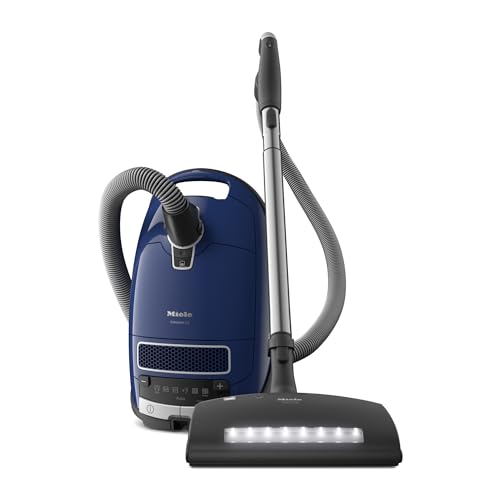
POWERFUL AND QUIET: Bagged canister vacuum optimal for all flooring types with an Electrobrush with LED headlight for carpets and Parquet floorhead for smooth flooring

Innovative - Wet and dry vacuum includes a front mount squeegee for quick and convenient water removal and floor stripping applications
Use Only Compatible Extension Cords
Using compatible extension cords is crucial for the safe operation of corded vacuum cleaners. Users should always select extension cords rated for the vacuum’s wattage to prevent overheating and potential electrical hazards. For standard household vacuums, a minimum 16-gauge cord is recommended, as this helps support the necessary current while reducing electrical shock risks. Additionally, utilizing multiple extension cords in series is advised against, since this can diminish power and increase overheating risks considerably. Before use, individuals must inspect the extension cord for wear or damage, particularly fraying or exposed wires, to avoid fire hazards. Finally, when unplugging the extension cord from a wall outlet, individuals should grasp the plug rather than the cord to maintain its integrity. Central vacuum systems are generally designed to be energy efficient, requiring less energy compared to traditional vacuum cleaners, which can contribute to safer electricity usage in the home.
Recommended Products

【STRONG SUCTION & LARGE CAPACITY】Durable 8-gallon collection tank keeps long cleaning time of using. It features a 4 HP motor to provide maximum power for heavy-duty pickup. Finish your cleanup job easier and faster
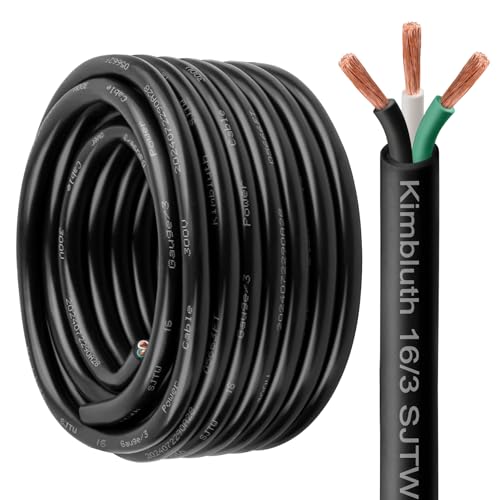
16 AWG 3 conductor wire that made by OFC (Oxygen Free Copper). OFC wire brings lower resistance and improved heat absorption, effectively improve the conductivity to carry more current.
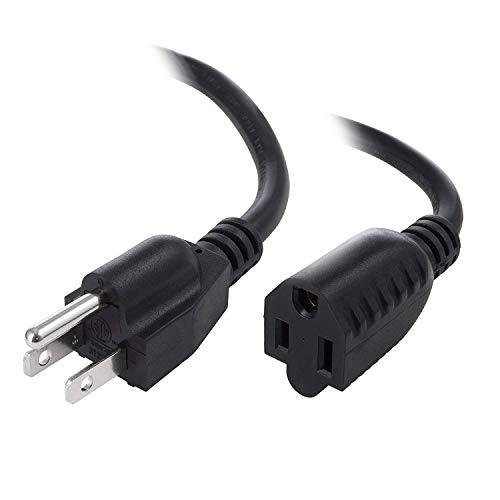
HEAVY DUTY POWER EXTENSION CORD: Ideal for extending power connections of larger servers, PDUs, PCs, monitors, laser printers, household appliances and any other device that requires heavier-gauge cabling
Frequently Asked Questions
What Are 5 Electrical Safety Tips?
Five electrical safety tips include implementing grounding techniques to prevent shocks, performing regular appliance maintenance to guarantee functionality, using surge protection devices to safeguard against voltage spikes, and practicing overload prevention by avoiding circuits exceeding their limits.
How to Use a Vacuum Safely?
To use a vacuum safely, guarantee proper grounding, maintain the vacuum regularly, manage cords to prevent tripping hazards, and prioritize child safety by keeping children and pets away during operation to avoid accidents.
Is It Safe to Use a Vacuum on Electronics?
Using a vacuum on electronics is generally unsafe. For instance, a corded vacuum can generate static electricity, risking damage to a laptop’s delicate components, due to unsuitable vacuum cleaner design and inadequate cord precautions.
How to Stop Static Electricity When Vacuuming?
To stop static electricity when vacuuming, one should implement vacuum grounding techniques, control humidity levels above 30%, and utilize anti-static materials. These static shock prevention methods create a safer environment while minimizing static buildup during cleaning.
Conclusion
To sum up, adhering to electrical safety tips when using corded vacuum cleaners can prevent potential hazards. For instance, a household fire incident occurred due to a damaged vacuum cord that ignited a nearby flammable object. By inspecting cords, avoiding wet surfaces, and using compatible extension cords, users can greatly reduce risks. Prioritizing these safety measures not only protects individuals but also extends the lifespan of the vacuum cleaner, ensuring effective and safe operation in various cleaning tasks.


