As an Amazon Associate, we earn from qualifying purchases. Some links on this site are affiliate links at no extra cost to you. Our recommendations are based on thorough research and editorial judgment.


Corded Vs Cordless Vacuums: Pros, Cons, and Use Cases in Real Homes

Corded vacuums offer unlimited power with strong suction for thorough cleaning, making them ideal for larger homes. They generally have larger dustbins and require less maintenance. In contrast, cordless vacuums provide portability, converting into handheld models, useful for quick cleanups and tight spaces, but have limited battery life and smaller dustbins. Users must weigh their cleaning needs, preferences, and budgets to choose the right model. For more detailed insights on use cases and costs, further information is available.
Key Takeaways
- Cordless vacuums are ideal for quick cleanups and tight spaces, featuring lightweight designs and portability.
- Corded vacuums provide strong suction and unlimited run time, making them suitable for deep cleaning larger homes.
- Cordless models often have limited battery life (20-60 minutes) and smaller dustbins, requiring regular emptying.
- Corded vacuums can be bulkier and less maneuverable in tight spots, making navigation more challenging.
- Budget considerations vary; corded vacuums are generally more cost-effective upfront, while cordless models may incur higher long-term battery costs.
Understanding Cordless and Corded Vacuums
Understanding the differences between cordless and corded vacuums can significantly aid consumers in making informed choices regarding their cleaning needs. Cordless vacuums operate on rechargeable batteries, offering flexibility and portability, allowing for quick cleanups in smaller spaces. They typically provide a runtime of 20 to 60 minutes and have a smaller dustbin capacity of around 0.5 liters. In contrast, corded vacuums rely on continuous power for powerful suction, making them suitable for deep cleaning larger homes. They can run indefinitely and often feature larger capacities of up to 3 liters. While cordless vacuums require battery maintenance and filter cleaning, corded vacuums generally necessitate less upkeep, highlighting the distinct advantages and limitations of each type in practical use. Additionally, selecting vacuums with multiple attachments can enhance their versatility and effectiveness in different cleaning scenarios.
Pros of Cordless Vacuums
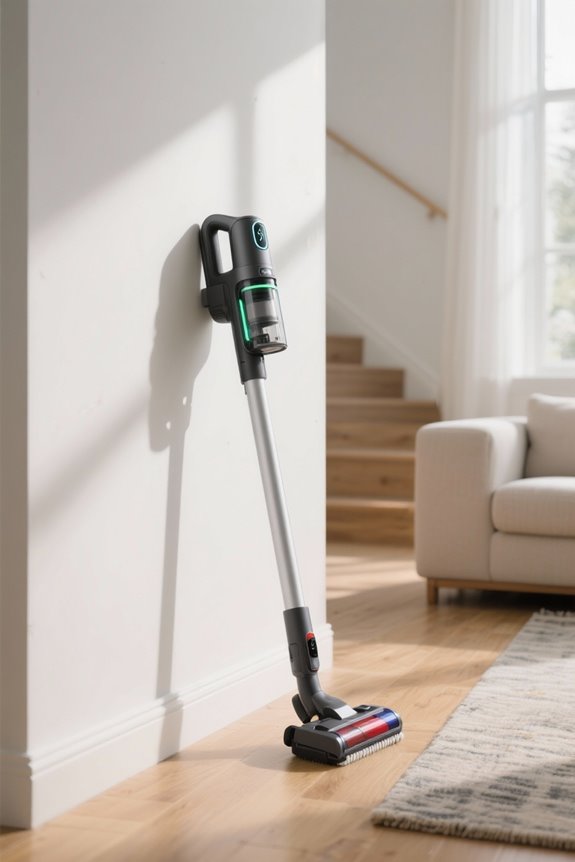
Cordless vacuums offer several advantages that appeal to consumers seeking ease and convenience in their cleaning routines. These devices are typically lightweight and highly portable, making them easy to maneuver in tight spaces for quick cleanups. Many models can shift into handheld vacuums, providing flexibility and ease for various surfaces, including cars and stairs. Equipped with integrated technology, features like digital motors enhance cleaning efficiency and user comfort. Despite battery life ranging from 20 to 60 minutes, many high-end options include quick charging capabilities for added convenience. Additionally, cordless vacuums require less storage space, resulting in a clutter-free experience by eliminating long power cords and bulky bases, making them convenient to use in modern households. Some cordless models are equipped with advanced filtration systems that capture fine dust and allergens, improving air quality in the home.
Recommended Products

Dyson power in a larger format. For large-home deep cleans without the cord.

Continuous flat filter cleaning to ensure no loss of suction

Laser detects the particles you can’t normally see. A precisely-angled laser makes invisible dust visible on hard floors – so you don’t miss anything.
Cons of Cordless Vacuums
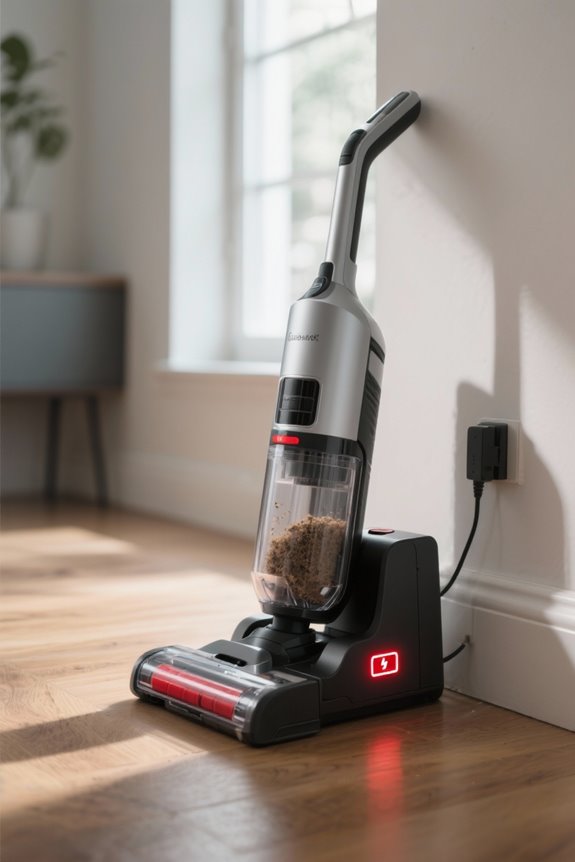
While cordless vacuums offer notable conveniences, they also present several drawbacks that consumers should consider. Many cordless vacuums have a limited battery life, typically ranging from 20 to 60 minutes, which can be restricting during longer cleaning sessions. Additionally, these vacuums tend to have less powerful suction, making them less effective for deep cleaning carpets compared to their corded counterparts. The dustbin capacity of cordless models is usually around 0.5 liters, necessitating frequent emptying while cleaning. Maintenance can also be an issue; regular battery checks and filter cleanings increase upkeep efforts. Finally, while advanced technology drives some high-end models, their prices can exceed $800, making them expensive for those mindful of budget constraints. Some models include HEPA filters that capture 99.97% of allergens and particles, offering enhanced filtration efficiency for allergy relief.
Recommended Products
80V Motor – 2 x more torque, more power, longer runtimes, quiet operation, and extended motor life

Three-Season Yard Maintenance — One Machine for Spring, Summer & Fall: Built for multi-season yard care! In Spring, add the Tow Hitch to haul logs or gardening supplies. Summer mowing — 21" blade, climbs up to 85% (40°). In Fall, turn thick leaves into fine mulch with the Mulching Blade. Pair with MOWRATOR Mowfun FPV to monitor mowing indoors.

【💥Limited Colorful Edition💥】The M1P Pro electric motorcycle comes with a personalized touch—exclusive laser-engraved fenders and a custom-colored fuel tank, crafted just for you (approx. 30-day lead time). The bike ships with standard black components, while the premium fender kit arrives separately shipping.
Pros of Corded Vacuums
When households choose to invest in a vacuum, the advantages of corded vacuums often stand out due to their exceptional performance and reliability. Corded vacuums provide strong suction and consistent power, making them particularly effective for deep cleaning thicker carpets and upholstered furniture. With unlimited running time, these vacuums enable prolonged cleaning sessions across larger areas without interruptions for battery recharging. Additionally, the larger dustbin capacity means users can work longer without the need for frequent emptying, enhancing overall efficiency. Moreover, corded vacuums are typically an affordable option compared to cordless models, appealing to budget-conscious consumers looking for a dependable solution to tackle dirt and debris effectively. Their robust capabilities make them suitable for households with heavy shedding pets. Many models, such as the Shark HV322, include specialized tools to efficiently handle pet hair and allergens, ensuring a comprehensive cleaning experience.
Recommended Products

Three 2-stage vacuum motors for extremely powerful suction power

Parameter: Voltage: 220V; Power: 4.5kw; Fan Power: 1.8kw; Number Of Grinding Heads: 6pcs; Grinding Width: 410mm; Max Airflow: 180mm³/h; Working Speed: 1440r/min; Dust Loading Capacity: 30L; Net Weight: 349.8LBS(159kg). Note: The ground polishing machine cannot polish the ground where glue exists

Heavy-Duty 2400W Performance (20A / 120V) – A powerful 3.26 HP motor delivers up to 222 CFM and 19 kPa/76" water lift of suction, giving you the airflow you need for jobsite cleanup, garages, shops, and commercial environments. 80dB
Cons of Corded Vacuums
Despite their appealing features, corded vacuums present several disadvantages that may affect their overall utility for consumers. A primary concern is their reliance on a power supply, which limits the cleaning range to areas near electrical outlets. This can be cumbersome in larger spaces, as moving between rooms often requires changing power outlets, interrupting the cleaning process. Additionally, corded vacuum cleaners typically weigh between 5 to 10 kg, making them bulkier and less maneuverable compared to cordless models. In tight spaces, their size might hinder navigation around furniture, reducing efficiency. While the upfront cost is usually lower, the bulkiness can create storage space issues in smaller homes, ultimately impacting their practicality for everyday use. Moreover, corded vacuums may lack user-friendly features such as automatic cord rewind, which can streamline storage and enhance convenience.
Recommended Products

Powerful cleaning: Bagged canister vacuum cleaner for all types of floors, with an improved Power Efficiency Motor and high suction of 1200 watts, to efficiently eliminate dust from your home
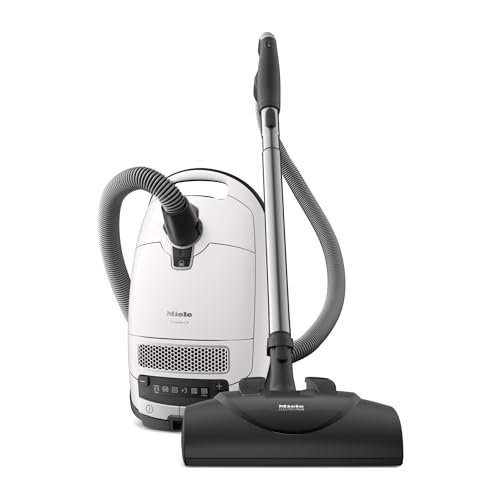
Powerful cleaning: Bagged canister vacuum designed for pet owners with an electrobrush floorhead featuring 5 carpet settings for all carpet types and parquet twister floorhead for smooth floors
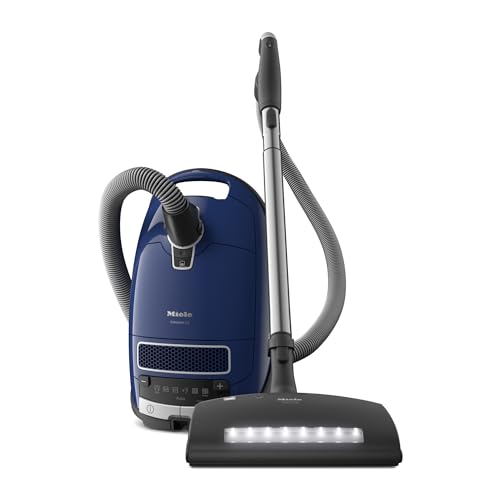
POWERFUL AND QUIET: Bagged canister vacuum optimal for all flooring types with an Electrobrush with LED headlight for carpets and Parquet floorhead for smooth flooring
Ideal Use Cases for Cordless Vacuums
Cordless vacuums present a versatile cleaning solution for various household scenarios, particularly in spaces where mobility and convenience are priorities. Their lightweight design allows for easy maneuvering and quick clean-ups in small areas or apartments. With battery life ranging from 20 to 60 minutes, these vacuums excel at light daily tasks, such as picking up pet hair or addressing small messes. They are especially effective on hard floors, utilizing soft rollers to prevent scratches while maintaining cleanliness. For users with limited upper body strength or mobility challenges, cordless vacuums are easy to handle compared to heavier models. Additionally, their multi-purpose use enables seamless conversion to handheld vacuums, making them ideal for cleaning furniture, car interiors, or tight spaces without needing a power outlet. Some models feature advanced HEPA filtration, which improves indoor air quality by capturing allergens effectively.
Ideal Use Cases for Corded Vacuums
For households with larger spaces and extensive carpeted areas, corded vacuums offer efficient and reliable cleaning solutions. Their strong and consistent suction power guarantees effective removal of deep-set dirt and pet hair, which is essential for maintaining cleanliness in high-traffic zones. Users benefit from uninterrupted cleaning sessions as these vacuums do not depend on battery life, allowing for continuous operation. Additionally, corded models typically feature larger dustbin capacities, reaching up to 3 liters, which reduces the frequency of emptying during extensive tasks. The affordability of corded vacuums also presents a budget-friendly option for consumers seeking reliable cleaning solutions without incurring extra costs for battery replacements, making them ideal for larger homes and deep cleaning applications. Additionally, many corded vacuums are equipped with advanced HEPA filtration, which captures particles as small as 0.1 microns to improve indoor air quality and reduce allergens in the home.
Choosing the Right Vacuum for Your Home
How does one determine the best vacuum cleaner for their home environment? To select the right vacuum, one must assess their cleaning needs regarding home size and type of debris. Cordless models offer excellent portability and are ideal for quick cleanups in compact spaces, but typically feature limited battery life, ranging from 20 to 60 minutes. In contrast, corded vacuums provide powerful suction necessary for deep cleaning larger homes, particularly on carpets. Additionally, corded vacuums generally have a larger dustbin capacity, up to 3 liters, requiring less frequent emptying. Weighing the pros and cons of each type aids in making an informed decision that best suits individual cleaning needs and home environments. When evaluating vacuums, consider suction power as a crucial factor to ensure efficient removal of dust, pet hair, and debris.
Recommended Products

Compact Maneuverability: Designed for daily commercial cleaning in facilities around 3,000–15,000 sq ft, the compact 20-inch scrub path and lightweight lithium-powered design help operators clean retail aisles, classrooms, offices, convenience stores, and other occupied commercial spaces more efficiently

[Multi-Surface Compatibility] HANTINSTOM floor scrubber machine comes with scrubbing pads and brushes, making it suitable for use on various surfaces including carpet, tile, concrete, hardwood, epoxy flooring, and vinyl. It can perform sanding, repairing, stripping, scrubbing, waxing, polishing, and deep cleaning carpets.

Built for Medium-to-Large Commercial Hard Floors: This 22-inch walk-behind floor scrubber is ideal for retail stores, schools, offices, gyms, workshops, and mixed-use commercial spaces that need dependable daily cleaning without stepping up to a larger, bulkier machine
Comparing Costs: Cordless vs. Corded Vacuums
When evaluating vacuum cleaner options, costs play a significant role in the decision-making process. Cordless vacuums typically carry a higher initial purchase price, with entry-level models starting around $50 and premium versions exceeding $800. In contrast, corded vacuums are generally more budget-friendly, appealing to users who need reliable performance without advanced features. However, the cost of replacement batteries for cordless vacuums can add to long-term expenses, often requiring replacements every few years based on usage. While both types offer various price points, corded vacuums often provide a better cost-to-performance ratio, especially for those requiring powerful suction and larger dirt capacity. Seasonal sales and discounted prices can further influence affordability in both categories. When considering vacuum options, it is important to note that bagless models, like the Bissell CleanView, offer easy maintenance with features such as washable filters and large dust container capacities, which can reduce upkeep costs and enhance cleaning efficiency.
Frequently Asked Questions
Is It Better to Get a Cordless or Corded Vacuum?
Choosing between a cordless or corded vacuum depends on individual needs. Cordless convenience offers maneuverability and portability, while corded power guarantees consistent cleaning efficiency. Battery lifespan, price differences, and surface compatibility also greatly influence the decision.
What Are the Disadvantages of Cordless Vacuums?
“All that glitters is not gold,” as cordless vacuums face disadvantages like limited battery life, small bin capacity, poorer cleaning power, higher price, demanding maintenance, longer charging times, and variable noise levels, impacting overall handling ease and portability benefits.
Which Is Better Wired or Wireless Vacuum Cleaner?
Determining which vacuum is better depends on battery life, weight comparison, and portability factors. Corded models excel in suction power and price differences, while cordless options offer versatility and ease of use, especially for managing pet hair.
Are Wired Vacuums Stronger Than Wireless?
Wired vacuums typically exhibit stronger suction power and cleaning efficiency compared to wireless models, while offering greater durability. In contrast, wireless options excel in maneuverability but face challenges regarding battery life, maintenance needs, and storage solutions.
Conclusion
To conclude, the choice between cordless and corded vacuums hinges on individual needs and home dynamics. Cordless models offer unparalleled mobility and convenience for quick clean-ups, while corded vacuums typically provide consistent power and extended runtime for larger tasks. By carefully considering factors such as floor type, size of the area, and frequency of use, homeowners can select the vacuum that best fits their lifestyle, ensuring their cleaning efforts remain efficient and effective for years to come.


