As an Amazon Associate, we earn from qualifying purchases. Some links on this site are affiliate links at no extra cost to you. Our recommendations are based on thorough research and editorial judgment.


Reusable Vs Disposable Vacuum Bags and Mop Pads: Environmental Impact

The environmental impact of reusable versus disposable vacuum bags and mop pads is multifaceted. Reusable products, while often durable and cost-effective, require frequent washing, which consumes energy and water. Conversely, disposable pads reduce water usage but generate waste and contribute to carbon emissions during production. However, many disposables now use recycled materials. Striking a balance between both options is essential for effective cleaning and reduced environmental consequences. Further exploration reveals more insights into their respective benefits and drawbacks.
Key Takeaways
- Reusable mop pads and vacuum bags offer long-term savings and generate less landfill waste due to their durable construction and multiple uses.
- Disposable microfiber mop pads reduce water usage and require fewer cleaning chemicals but contribute to carbon emissions during production.
- The environmental impact of disposable products can be mitigated through recycling programs and using recycled materials in production.
- Regular washing of reusable items is essential for hygiene but requires energy and resources, potentially offsetting some environmental benefits.
- Advances in sustainable manufacturing enhance the eco-friendliness of both reusable and disposable options, focusing on energy efficiency and reduced reliance on virgin plastics.
Understanding the Environmental Impact
When evaluating the environmental impact of cleaning products, one must consider the contrasting effects of reusable and disposable options. Reusable mop pads, while appealing for their longevity, often generate greater environmental impacts due to the energy and resources necessary for washing. In contrast, disposable microfiber mop pads can greatly reduce water usage and decrease the need for cleaning chemicals. Although the production of disposable products contributes to carbon emissions, advancements in manufacturing are now incorporating recycled materials to lessen this footprint. To enhance environmental responsibility, implementing proper disposal practices, such as recycling programs, is vital. For instance, activated charcoal filters made from renewable coconut shell carbon offer eco-friendly alternatives while enhancing indoor air quality. Therefore, sustainable cleaning results depend largely on the balance between reusable options and the efficiencies of disposable alternatives in achieving ideal cleaning performance.
Recommended Products

51" total height and 3/4" steel handle with handle grip and hanger hole
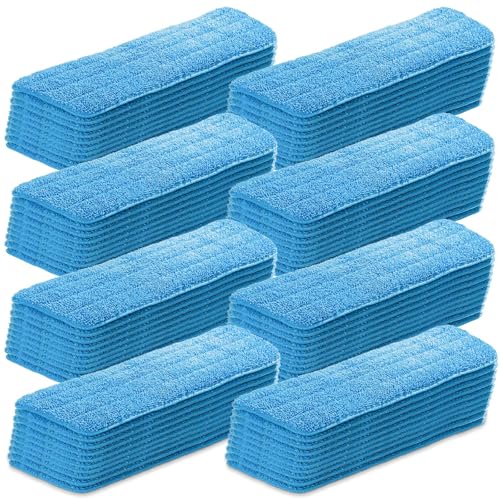
Sufficient Quantity: there are 100 pieces of microfiber mop pads, measuring about 16.5 x 5.25 inches, the suitable size and sufficient quantity can satisfy your various demands, ideal for home and commercial use

FOR USE WITH: Compatible with RCP 18" Quick Connect Microfiber Flat Mop System Frames (FGQ56000YL00, 1863893, or FGQ55900BK00)
Benefits of Reusable Vacuum Bags and Mop Pads

Reusable vacuum bags and mop pads offer several advantages over their disposable counterparts, particularly regarding long-term value and environmental impact. These reusable products can endure hundreds of washes, leading to considerable cost savings in the long run, especially compared to frequent purchases of disposables. Constructed from high-quality microfiber, they effectively trap dirt, allergens, and bacteria, enhancing cleaning efficiency. Additionally, the environmental benefits are notable, as using these durable options greatly minimizes landfill waste and conserves resources, reducing the need for single-use items. In health care facilities, for instance, investing in reusable cleaning supplies not only aids in maintaining hygienic standards but also fosters healthier environments by minimizing chemical usage and water consumption, leading to more informed decision-making for consumers. A HEPA filtration system in vacuums can significantly improve indoor air quality by capturing 99.97% of allergens, further enhancing the benefits of reusable cleaning supplies.
Recommended Products

【Ultimate Window Cleaning Companion】Yoolax window cleaning robot 2.0, powered by 2024's new technology, offers the best window cleaner experience like no other. With 6 intelligent cleaning modes and innovative spraying technology, it delivers a 2.85min/㎡ cleaning speed, ensuring your windows sparkle in no time
Natural Goose Down Filling: L LOVSOUL hotel-style goose down comforter is filled with premium goose down and goose feather blend. 850+ fill power delivers lightweight warmth for every season.

Dirt cup capacity 0.4 liters
Challenges of Reusable Cleaning Options
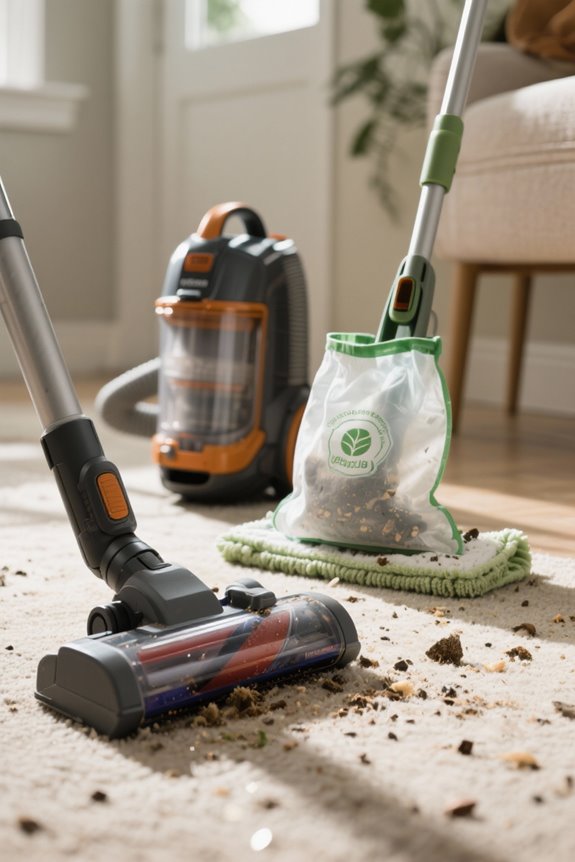
While reusable cleaning options, like mop pads and vacuum bags, provide many benefits, they also present several challenges that merit careful consideration. The higher initial purchase cost of these reusable options may deter organizations, especially healthcare facilities, with limited budgets. Additionally, maintaining hygiene is vital, as regular washing is necessary to prevent contamination and uphold safety standards. Inadequate handling can lead to ineffective cleaning and health risks. Proper storage systems are essential to avoid mold and bacteria buildup, adding complexity and requiring additional management resources. Laundering and managing these reusable supplies demands significant time and effort, which could challenge facilities requiring efficient cleaning solutions. Consequently, while environmentally friendly, reusable options come with considerable logistical hurdles. Moreover, choosing devices with self-cleaning features can significantly reduce maintenance time and enhance convenience, making reusable options more practical for daily use.
Recommended Products

Terry Cotton: Made from 100% cotton material; engineered to capture and hold daily dirt and dust

Replacement Pads: Microfiber mop pads designed to fit Bona mop systems; suitable for hardwood floors and spray mops

Generous Package: there are 40 pieces of microfiber mop pads for each package, each measuring approximately 16.5 x 5.25 inches, are present in sufficient quantities to meet your needs; They are ideal for both residential and business applications
Long-Term Cost Analysis of Disposable Products
The financial implications of choosing disposable cleaning products can be significant, as ongoing expenses accumulate over time. Disposable vacuum bags and mop pads often lead to substantial long-term costs, with consumers facing repeated purchases. For example, while a reusable vacuum bag may have a higher initial price, it can last for hundreds of uses, resulting in over 75% savings compared to disposables. Similarly, households may spend around $100 annually on mop pads, while a reusable set can last several years. This ongoing financial cost is coupled with environmental impact, as billions of single-use mop pads contribute to landfills. Consequently, opting for reusable alternatives presents not only economic benefits but also a reduced environmental footprint. With advances in technology, powerful suction capabilities in bagless vacuums further enhance their cost-effectiveness and convenience for consumers.
Recommended Products

INCREDIBLE SUCTION AND SONIC MOPPING: First, it’s an ultra-powerful whole home vacuum on carpets and floors. Second, it’s an ultra-powerful vacuum that sonic mops hard floors at the same time.

Steam Blaster Technology delivers a powerful, targeted burst of steam directly to tough, stuck-on messes for deep cleaning on hard floors without the need for harsh chemicals

Compatible model:This accessories set is suit for Ecovacs Deebot X9 Pro Omni robot vacuum cleaner. NOT FOR T80 OMNI. Becasuse the variety of machine models, the accessories are very similar,please confirm your robot model before purchase
Advances in Sustainable Manufacturing
Sustainable manufacturing has gained significant traction as companies aim to address environmental concerns associated with cleaning products. Manufacturers are increasingly adopting sustainable practices, particularly in the production of disposable mop pads by incorporating recycled materials that decrease reliance on virgin plastics. The utilization of recycled plastics in microfiber production effectively reduces the overall carbon footprint of these products. Advances in microfiber technology enhance dirt and bacteria trapping capabilities, therefore minimizing the need for chemical cleaners. This focus on sustainability prioritizes reducing environmental impact across the product lifecycle, ensuring that both reusable mops and durable disposable mop pads remain effective. Innovations in production processes aim to boost durability, which enhances consumer satisfaction while promoting environmental sustainability. Additionally, eco-friendly vacuums are designed with energy-efficient motors and sustainable materials, further contributing to a lower environmental footprint.
Recommended Products

Sufficient Quantities to Meet Your Needs - 36 pieces of microfiber spray mop pads for floor cleaning in total, more than enough to meet your daily use and cleaning requirements. They are easy to replace and excellent water absorption to make the floor dry faster

Norwex Mop Systems clean floors using microfiber Mop Pads and water only.

Responsible Disposal Practices for Disposable Products
Implementing responsible disposal practices for disposable vacuum bags and mop pads is vital for reducing environmental impact and minimizing landfill waste. Consumers can participate in recycling programs, which allow them to repurpose used microfiber mop pads and vacuum bags, ultimately promoting environmental sustainability. In addition, selecting disposable cleaning supplies with minimal packaging can greatly cut down on waste generated during use. Engaging with suppliers who prioritize environmentally friendly practices guarantees that the waste from such products is managed responsibly. Furthermore, creating awareness and educating the public on proper disposal methods is imperative. These steps help balance hygiene needs with environmental sustainability, contributing to a cleaner ecosystem and enabling more effective management of disposable products’ environmental footprint. Incorporating lightweight design features, like those in ultra-light vacuums, can also enhance energy efficiency and further support eco-friendly practices.
Frequently Asked Questions
Are Reusable Bags More Environmentally Friendly?
Reusable bags are generally more environmentally friendly due to sustainability benefits, lower long-term costs, and waste reduction. However, a thorough cost analysis, material comparison, and longevity assessment are essential in understanding their overall impact on consumer behavior and cleaning efficiency.
Are Vacuum Bags Environmentally Friendly?
Vacuum bags contribute considerably to plastic pollution, with disposable varieties made from materials adding to landfill concerns. Eco-friendly alternatives present durability benefits, yet recycling challenges remain, prompting consumers to reconsider their habits for a sustainable future.
Which Bag Has the Lowest Environmental Impact?
The reusable bag has a lower environmental footprint, offering benefits through reduced waste management and responsible material sourcing. However, disposable bags have drawbacks, particularly in production energy and lifespan, as highlighted by lifecycle analysis findings.
Which Type of Grocery Bag Is Better for the Environment?
The better grocery bag for the environment often depends on eco-friendly materials and life cycle analysis. Long-term sustainability benefits arise from consumer behavior trends favoring reusable bags, despite bag production impact and recycling infrastructure issues affecting waste management solutions.
Conclusion
In the ongoing battle between reusable and disposable cleaning products, one must weigh the environmental impact, convenience, and overall cost. While reusable vacuum bags and mop pads present superior ecological advantages, the challenges of maintenance cannot be overlooked. Conversely, disposable options provide instant gratification, leaving users to ponder the waste they create. Ultimately, choosing between these two paths is a personal decision, much like opting for a salad or a slice of cake—both appealing, yet wholly different in their aftermath.


