As an Amazon Associate, we earn from qualifying purchases. Some links on this site are affiliate links at no extra cost to you. Our recommendations are based on thorough research and editorial judgment.


Bagged Vs Bagless Vacuum Cleaners: Which Is Better for Everyday Cleaning?

Bagged vacuum cleaners provide superior hygiene, as their disposable bags capture allergens effectively, making them ideal for allergy sufferers. In contrast, bagless models use reusable dust cups that require regular emptying and filter cleaning, which can release trapped dust into the air. Bagged vacuums maintain consistent suction until the bag is full, while bagless models often experience suction loss without regular maintenance. Understanding these differences helps consumers choose the right option for their cleaning needs, revealing further insights ahead.
Key Takeaways
- Bagged vacuums offer better hygiene by minimizing dust exposure during disposal, making them ideal for allergy sufferers and sensitive households.
- Bagless vacuums have no ongoing bag costs, but they require frequent maintenance to maintain suction power due to filter clogging.
- Suction power in bagged vacuums remains consistent until the bag is full, while bagless models may experience a decline without regular emptying and cleaning.
- Bagged models generally require less user maintenance, offering convenience with quick bag replacements compared to regular emptying of bagless models.
- Environmental impact varies; bagless vacuums reduce waste but may produce more allergens during disposal, whereas bagged vacuums create more landfill waste.
Understanding Bagged Vacuum Cleaners
Bagged vacuum cleaners serve as a reliable option for effective home cleaning, featuring disposable paper or fabric bags to collect dirt and debris. These systems offer an added layer of filtration, trapping allergens and fine dust, which is particularly beneficial for allergy sufferers. The self-sealing disposable bags minimize dust exposure during disposal, promoting better overall hygiene in the home. Many bagged vacuum cleaners include indicators signaling when the disposable bag is full, ensuring consistent suction power and timely maintenance. They also typically hold a higher volume of debris than bagless models, necessitating less frequent bag changes. While there are ongoing costs associated with replacing the bags, the hygiene benefits often outweigh these expenses for many users. For concrete floors, pH-neutral cleaners like Zep Neutral pH Industrial Floor Cleaner can prevent surface damage while maintaining cleanliness.
Understanding Bagless Vacuum Cleaners

While many consumers consider the type of vacuum cleaner to purchase, understanding bagless options can greatly influence cleaning efficiency and convenience. Bagless vacuum cleaners collect dust and debris in a reusable dust cup, eliminating the need for vacuum bags, which reduces ongoing costs. These models offer a clear view of the dust level, helping users monitor when to empty the container. Popular brands like Dyson utilize cyclonic separation technology to maintain suction power during cleaning. However, they require regular filter cleaning and maintenance to sustain peak performance. While bagless vacuums are eco-friendly by reducing waste, the disposal process can be messier, potentially releasing allergens back into the air, especially with frequent cleaning.
Hygiene: Bagged Vs Bagless Vacuum

Evaluating hygiene in vacuum cleaners reveals significant differences between bagged and bagless models. Bagged vacuums generally provide a more hygienic disposal method, as dust bags are sealed, minimizing user contact with dirt and allergens. Their design includes built-in filters that capture most dust and allergens, improving air quality during use. In contrast, bagless vacuums may release trapped allergens back into the air when emptying the dustbin, creating a potential risk for allergy sufferers. Bagged vacuums often feature bag-full indicators, ensuring timely maintenance and ideal hygiene. Studies have shown that the airtight nature of bagged systems enhances allergen capture, making these models particularly suitable for households where respiratory sensitivities exist, ultimately contributing to a safer cleaning environment. Additionally, HEPA filters capture 99.97% of particles, significantly reducing allergens in the home.
Ease of Use: Bagged Vs Bagless Vacuum
How does the ease of use differ between bagged and bagless vacuum cleaners? Bagged vacuums typically offer straightforward maintenance, allowing users to replace bags quickly, while bagless models require regular emptying and cleaning of the dustbin. This aspect can make bagged vacuums more convenient, especially for allergy sufferers, as they minimize dust exposure during bag changes. Additionally, bagged models often feature bag-full indicators, enhancing user experience, whereas bagless models necessitate manual inspection of the dust cup to monitor fullness. Although bagless vacuums allow visibility of dust levels, their maintenance can be more involved, demanding frequent filter cleaning and emptying to sustain peak suction power. Overall, the ease of use heavily leans toward bagged options in many households. For those dealing with drywall dust, choosing a vacuum with HEPA filters and powerful suction is crucial for effective cleaning.
Recommended Products

Battery and charger included with Vacuum

Industrial strength HEPA vacuum for residential use.

713 max airwatts, 142 Airflow-CFM, 147 Sealed Vacuum inches waterlift, for homes up to 12,000 sq ft
Maintenance: Bagged Vs Bagless Vacuum
Maintenance for bagged and bagless vacuum cleaners presents distinct differences that can impact user experience. Bagged models generally require less user maintenance, as most dust and allergens are contained within disposable bags, minimizing the need for frequent cleaning tasks. However, this convenience involves ongoing maintenance costs due to the necessity of purchasing replacement bags. In contrast, bagless vacuums demand regular emptying of dustbins and proactive filter cleanliness management. While initial purchase costs may be lower for bagless models, maintenance costs can accumulate from filter replacements. Clogged filters in bagless vacuums can lead to performance issues, making routine maintenance essential to preserve suction power and protect motor components. Some vacuums come with HEPA filters for trapping allergens, which can enhance air quality but may require additional maintenance. Consequently, the choice between bagged and bagless largely depends on preferred maintenance demands.
Environmental Impact: Bagged Vs Bagless Vacuum
While both bagged and bagless vacuum cleaners offer distinct cleaning capabilities, their environmental impacts differ markedly. Bagless vacuums eliminate the need for disposable bags, generating less physical waste and appealing to eco-conscious consumers. Conversely, bagged models produce non-recyclable bags, contributing to a higher environmental footprint despite their hygienic disposal advantages. The recurring costs associated with purchasing replacement bags further add to their environmental impact, increasing material usage that may end up in landfills. Additionally, while bagless vacuums allow users to visually monitor dust levels, they can release trapped allergens back into the air, potentially disrupting indoor air quality. Studies show shoppers often prioritize features and price over these environmental considerations when choosing between bagged and bagless options. HEPA filters capture 99.97% of allergens, improving indoor air quality, which is an important factor to consider for allergy sufferers.
Allergen Disposal: Bagged Vs Bagless Vacuum
When evaluating allergen disposal, the distinction between bagged and bagless vacuum cleaners becomes apparent. Bagged vacuums offer more hygienic disposal methods, as their sealed bags effectively minimize exposure to allergens and fine dust during changeouts. These vacuum filters are designed to trap airborne particles, considerably reducing allergen release. On the other hand, bagless models can inadvertently release trapped particles into the air when emptied, making them less suitable for allergy sufferers and requiring well-ventilated or outdoor areas for safe disposal. Additionally, studies show bagged vacuums generally capture more allergens due to their airtight design, though they incur ongoing costs for replacement bags. Hence, consumers must weigh efficiency against environmental concerns when selecting their preferred vacuum type. HEPA filtration in bagged vacuum bags enhances their ability to capture allergens, making them an effective choice for allergy sufferers.
Cost Analysis: Bagged Vs Bagless Vacuum
How do the costs of bagged and bagless vacuum cleaners compare in the long term? Bagged models often feature a lower initial cost of purchasing but lead to ongoing expenses for replacement bags. The frequency of bag changes can vary based on cleaning habits and home dirtiness, potentially increasing long-term costs. Conversely, bagless vacuums eliminate the expense of bags but may incur higher maintenance costs due to regular filter replacements and cleaning. Although bagged vacuums may have a higher initial cost, their superior filtration systems can lead to lower health-related expenses in allergy-prone households. Additionally, many bagless models now feature advanced filtration systems that effectively reduce allergens, providing a competitive advantage for those concerned with air quality. Therefore, consumers should consider both initial costs and long-term maintenance costs, whether choosing bagged or bagless options, to determine the most economical choice for their needs.
Recommended Products

Fast and Vast: Is a small machine forcing your team to work twice as long on large floors? This heavy duty vacuum cleaner, assembled in the USA, clears a 30-inch path to finish 29,000 square feet an hour so you can get the job done faster
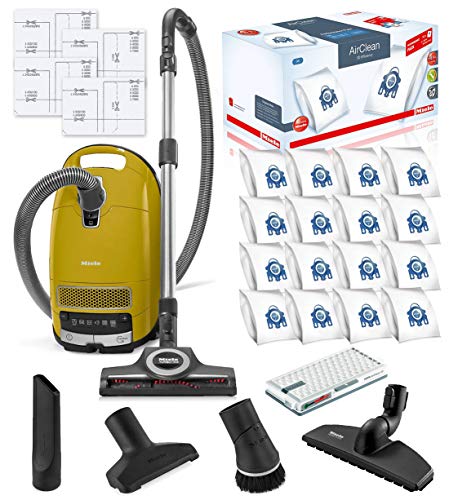
Bundles Includes - Miele's AH50 GN Performance Pack - Comes With 16 Genuine Miele GN Airclean FilterBags, 1 Genuine Miele HEPA Air Clean Filter AH-50 and 4 Pre-Motor Protection Filters

Bundle Includes: Genuine Miele GN 4-Pack Vacuum Bags with Miele Air Clean Filter and Pre-Motor Filter
Suction Power: Bagged Vs Bagless Vacuum
Suction power remains an essential factor in evaluating the effectiveness of vacuum cleaners, with bagged and bagless models differing markedly in their performance. Bagged vacuum cleaners generally provide consistent suction as long as the bags are replaced in a timely manner, ensuring effective operation. In contrast, bagless vacuum cleaners might experience suction decline if their filters and dust bins become clogged, necessitating regular maintenance for ideal performance. While some bagged models come with HEPA filters, enhancing air filtration without losing suction strength, bagless designs may suffer from noticeable suction loss during cleaning without routine filter and dust container care. Overall, bagged vacuums maintain suction until bags are full, while bagless options require more frequent attention to sustain peak performance.
Recommended Products

Bundle Includes: Genuine Miele TU Hyclean Performance Pack with 16 TU HyClean vacuum bags and 1 Miele HEPA AirClean Filter
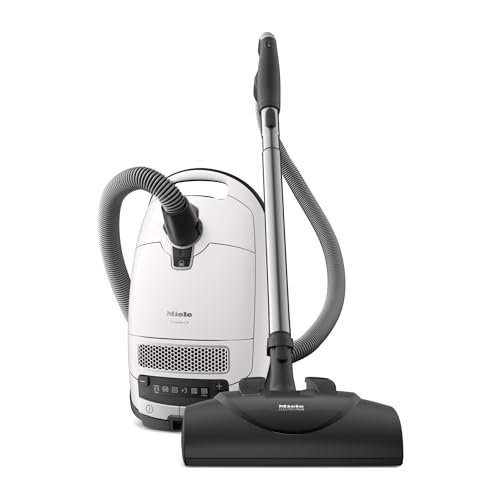
Powerful cleaning: Bagged canister vacuum designed for pet owners with an electrobrush floorhead featuring 5 carpet settings for all carpet types and parquet twister floorhead for smooth floors
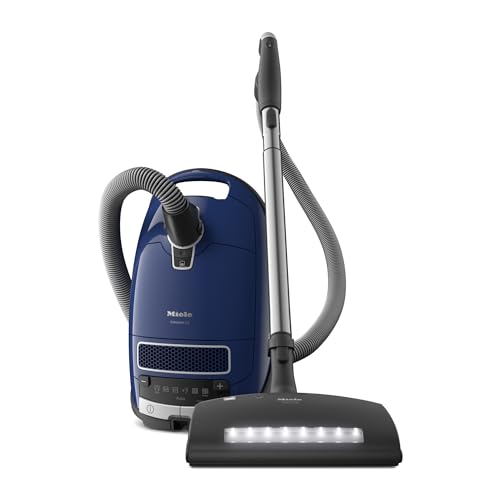
POWERFUL AND QUIET: Bagged canister vacuum optimal for all flooring types with an Electrobrush with LED headlight for carpets and Parquet floorhead for smooth flooring
Which Is Right for You?
Selecting the right vacuum cleaner often hinges on personal needs and lifestyle preferences, as both bagged and bagless models offer distinct advantages. For those with allergies or pets, a bagged vacuum may be ideal due to its superior filtration and hygienic disposal methods. The need to replace bags can be seen as inconvenient but can minimize dust exposure during disposal. Conversely, bagless vacuums are appealing to environmentally conscious consumers, eliminating the need to replace bags. They also provide a visual indication of fullness, aiding maintenance routines. Ultimately, the choice between a bagged and bagless vacuum depends on preferences regarding hygiene, maintenance efforts, and environmental concerns, leading users to select the type of vacuum that best fits their lifestyle. For effective allergen control, consider vacuum models equipped with HEPA filters, which capture up to 99.97% of particles, ensuring cleaner air in your home.
Our Top Recommendations
When evaluating vacuum cleaners, several models stand out for their reliability and performance across various household needs. For those with allergies or pets, bagged vacuum cleaners such as the Miele Compact C2 provide superior filtration and easier dirt disposal, ensuring hygienic maintenance. On the other hand, models like the Dyson V15 Detect exemplify the convenience of bagless options, weighing only 6.8 pounds and offering strong suction performance. While bagless cleaners can save on bags and reduce waste, they typically require more frequent maintenance and filter cleanings. Eco-conscious consumers might prefer bagless vacuums, while those seeking lower maintenance options might gravitate towards bagged models. Specialized pet hair removal features in vacuums like the Bissell CleanView Swivel can enhance cleaning effectiveness for pet owners. Hence, both types have strong recommendations based on their features and specific user needs.
Frequently Asked Questions
Is It Better to Have a Bagged or Bagless Vacuum?
Determining whether bagged or bagless vacuums are better hinges on suction power, dust containment, filter types, and allergy concerns; user preference ultimately dictates the choice, balancing hygiene needs against maintenance and cost over time.
What Are the Downsides of Bagged Vacuums?
Like a ship weighed down by cargo, bagged vacuums carry downsides: ongoing maintenance costs, inconvenient dust disposal, limited capacity, reduced suction power, and the potential for allergen release during bag changes.
Why Don’t Vacuums Have Bags Anymore?
Vacuum technology advancements have led to bagless designs due to consumer preferences for cleaning efficiency and cost comparison, alongside growing environmental impact concerns, driving a shift away from traditional bagged models for everyday cleaning solutions.
Are Bagged Vacuums Easy to Maintain?
Bagged vacuums are easy to maintain due to straightforward bag replacement, enhancing user convenience. Maintenance tips include regular filter checks, ensuring peak performance. Additionally, they often provide better cost efficiency over time compared to their bagless counterparts.
Conclusion
In the domain of cleaning, both bagged and bagless vacuum cleaners serve distinct purposes, much like two different paths in a forest. Each option offers its own advantages, from hygiene and maintenance to suction power and cost considerations. Ultimately, the choice hinges on individual preferences and specific needs, just as travelers can select their path according to desired destination and experience. Evaluating personal requirements will guide users toward the vacuum cleaner that best suits their daily cleaning routine.


