As an Amazon Associate, we earn from qualifying purchases. Some links on this site are affiliate links at no extra cost to you. Our recommendations are based on thorough research and editorial judgment.


Common Vacuuming Mistakes That Make Your Floors Dirtier, Not Cleaner

Many common vacuuming mistakes lead to dirtier floors rather than cleaner ones. Using the wrong attachment can scatter dirt, while neglecting to empty the bin or bag reduces suction power. Dirty filters obstruct airflow and worsen cleaning performance. Incorrect height settings may damage carpets, and vacuuming only in one direction limits dirt removal. Relying solely on robot vacuums can miss debris, and sweeping larger particles by hand guarantees thorough cleanings. Continue for more insights on effective vacuuming practices.
Key Takeaways
- Using the wrong vacuum attachments can scatter dirt instead of effectively removing it, reducing overall cleaning efficiency.
- Failing to empty the bin or bag regularly diminishes suction power, making it harder to remove dirt from floors.
- Not adjusting suction and height settings according to flooring type can damage surfaces and scatter debris instead of picking it up.
- Ignoring obstructions like larger debris or clutter leads to blocked airflow, reducing suction efficiency and failing to capture smaller particles.
- Infrequent vacuuming creates dirt and allergen buildup in carpets, making subsequent cleaning more difficult and less effective.
Using the Wrong Attachment (or Not Using Them at All)
When vacuuming, many users overlook the significance of using the correct attachments or fail to utilize them altogether. Using the wrong attachment can drastically limit cleaning performance, often leading to less thorough cleaning. For example, employing a soft brush on upholstery instead of a motorized brush results in merely scattering dirt instead of effectively removing it. Specific tools, like crevice tools for tight areas and upholstery brushes for fabric, are designed for targeted cleaning, enhancing overall effectiveness. Neglecting to switch nozzles for different flooring types can trap dirt, particularly on delicate rugs and hardwood surfaces. Familiarity with included vacuum attachments can greatly improve cleaning outcomes, addressing various surfaces with the right tool for each job. Additionally, optimal suction power above 15KPa is essential for effective cleaning on various surfaces, ensuring dirt and debris are thoroughly removed.
Recommended Products

For In-ground Pools: Designed for all in-ground pools, the swimming pool vacuum robot adapts to any size, shape, and style, ensuring thorough cleaning of floors, walls, steps, and waterlines.

Compact & Efficient Cleaning – Designed for small commercial spaces, this mini automatic floor scrubber features a 15-inch cleaning width and 170 RPM brush speed to tackle dirt and grime effortlessly.

ELITE CLEANING POWER: More powerful than any other pressure cleaner in its class, the 3900 Sport is equipped with triple venturi jets & all-wheel PosiDrive, delivering unmatched vacuum power and legendary performance.
Not Emptying the Bin or Bag Enough

How often should a vacuum’s bin or bag be emptied to guarantee peak performance? Not emptying the bin or bag enough can greatly reduce suction power, leading to ineffective cleaning and leaving dirt behind on surfaces. For bagless models, it is crucial to empty the bin after each use, while bagged vacuums should have their bags replaced when approximately three-quarters full to guarantee maximum suction efficiency. Failing to maintain airflow can cause the vacuum to overheat, potentially damaging the motor and affecting overall vacuum maintenance. Regularly checking and emptying the bin or bag not only promotes effective cleaning but also prolongs the lifespan of the vacuum cleaner, assuring reliable performance for future cleaning tasks. Additionally, using a vacuum with an advanced HEPA filtration system can significantly improve indoor air quality by capturing fine dust and allergens efficiently.
Recommended Products

Cyclone's two-stage separation provides more working CFM than comparable horsepower single-stage units

𝗩𝗶𝗯𝗿𝗮𝗥𝗶𝘀𝗲 𝟱.𝟬 𝗠𝗼𝗽𝗽𝗶𝗻𝗴: Paired with a system delivering 4,000 vibrations per minute, the 14N boosted downward pressure breaks down tough kitchen grease and coffee spills. The extendable mop head presses into edges, unlocking 27% larger corner coverage, reaching tight spaces, cleaning waIIs, harming no delicate surfaces.

𝟯.𝟭𝟰-𝗜𝗻𝗰𝗵 𝗨𝗹𝘁𝗿𝗮-𝗧𝗵𝗶𝗻 𝗗𝗲𝘀𝗶𝗴𝗻: The Roborock Saros 10R redefines home cleaning with its ultra-slim 3.14-inch profile. Powered by the advanced StarSight Autonomous System 2.0, it eliminates the need for a raised LDS unit, unlike traditional bulky robot vacuums. It easily glides under beds, sofas, cabinets, and coffee tables, reaching hard-to-clean areas with precision. Perfect for homes that value both efficiency and elegance, it offers superior cleaning coverage in a sleek, compact design.
Neglecting the Filter

Many households overlook the importance of vacuum filters, which are critical components that directly impact cleaning efficiency. Neglecting the filter can greatly reduce suction power, making dirt removal ineffective and potentially redistributing dust back into the air. A dirty filter obstructs airflow, risking overheating the motor and shortening the vacuum’s lifespan. Most vacuum filters require maintenance every six months, depending on usage, to guarantee peak performance. Signs of a clogged or dirty filter include decreased suction and musty odors during operation. Failing to address filter maintenance not only hampers cleaning effectiveness but also can lead to allergen buildup, worsening respiratory issues for residents. Regular filter maintenance is essential for maintaining a high-quality vacuuming experience and promoting a healthier home environment. Using stiff bristles on hard surfaces can similarly enhance cleaning efficiency by effectively tackling tough grime, ensuring a more thorough clean.
Recommended Products


Using the Wrong Height or Suction Settings
Adjusting the vacuum’s height and suction settings is essential for achieving effective cleaning results, especially on various surface types. Using the wrong height on thick carpets can damage carpet fibers, resulting in ineffective cleaning and premature wear. Conversely, setting the suction too high on hard floors might send debris airborne, scattering dirt instead of capturing it. These miscalculations can greatly reduce cleaning efficiency, making it difficult to lift embedded dirt and allergens. Regularly adjusting the vacuum cleaner’s settings according to surface type guarantees ideal performance, enhancing overall cleaning and prolonging the machine’s lifespan. Familiarizing oneself with adjustable features allows for exceptional results on different flooring types while maintaining the integrity of those surfaces. The EUREKA PowerSpeed vacuum, for example, offers five height adjustment settings that ensure adaptability between different surfaces, optimizing cleaning efficiency.
Only Vacuuming in One Direction
Only vacuuming in one direction limits the effectiveness of dirt removal from carpets and floors. This practice results in cleaning mistakes that hinder the vacuum’s efficiency, as dirt may remain trapped within carpet fibers. Experts advocate for vacuuming in multiple directions, which allows the vacuum head to agitate dirt from various angles, enhancing overall particle pickup and cleanliness. Making multiple passes over the same area improves thorough dirt removal and prevents hidden dirt from accumulating. The design of most vacuums promotes maneuverability, emphasizing the need for varying sweeping directions. By neglecting to adjust the direction, individuals may find their floors even dirtier, as they miss essential dirt and dust, ultimately compromising the cleanliness of their living spaces. Utilizing handheld vacuums with HEPA filters can further enhance cleaning efficiency by capturing 99.97% of particles, which is particularly beneficial for individuals with allergies.
Vacuuming Floors Before Cleaning Higher Surfaces
When establishing an effective cleaning routine, it is essential to clean higher surfaces, like ceiling fans and shelves, before vacuuming the floors. Cleaning these elevated areas first avoids the problem of dust and debris falling onto floors that have recently been vacuumed. Dust particles can settle on freshly vacuumed surfaces, leading to a need for additional cleaning efforts. By employing a systematic approach, where higher surfaces are prioritized, homeowners can guarantee more efficient cleaning and minimize redundant tasks. After addressing upper areas, vacuuming allows for the effective removal of any fallen dust, guaranteeing thorough floor cleaning. This method not only improves the cleanliness of floors but also enhances indoor air quality, creating a healthier living environment. For example, using a vacuum with a HEPA filter can trap 99.9% of dust and allergens, further ensuring a clean and healthy home environment.
Relying Solely on a Robot Vacuum
How effective is it to rely solely on a robot vacuum for household cleaning? Many cleaning pros suggest that while a robot vacuum offers convenience in daily maintenance, it typically lacks the power and agitation required for proper cleaning. These devices often struggle with deep-pile carpets, leading to missed dirt and debris, especially in corners and tight spaces around furniture. Their design focuses mainly on surface cleaning, which is insufficient for larger particles or deeply embedded grime. Consequently, relying solely on a robot vacuum can result in a buildup of allergens and dirt over time. For ideal indoor air quality and carpet longevity, traditional vacuuming methods should be incorporated regularly alongside robotic models to achieve deep cleaning and thorough results. Moreover, many robot vacuums feature self-emptying bases for user convenience, reducing the frequency of maintenance and enhancing overall efficiency.
Recommended Products

High-Efficiency Cleaning: boasts a 34" brush cleaning path and 38.8" squeegee vacuuming width, ensuring comprehensive cleaning for large floor areas with a working efficiency of 75,000 sqft/h.
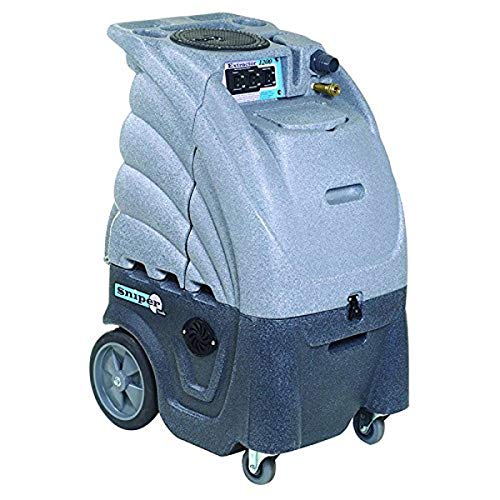

Three 2-stage vacuum motors for extremely powerful suction power
Vacuuming Up Larger Debris
Vacuuming larger debris can present significant challenges to standard vacuum cleaners, often leading to potential damage and reduced performance. Objects such as coins, paper clips, or bits of toys can obstruct airflow, which diminishes suction efficiency. When larger debris is vacuumed, it may also clog hoses, causing strain on the vacuum cleaner’s motor. Such obstructions hinder the machine’s ability to efficiently clean smaller particles. To avoid these issues, it is advisable to pick up larger debris by hand before vacuuming, ensuring a more thorough clean. Utilizing a broom or dustpan for initial cleanup prepares the area, preventing potential damage and enhancing the effectiveness of suction during vacuuming, especially when targeting loose dirt and dust. Some vacuum models, such as the Bissell CleanView Swivel and Shark ZU102, are specifically designed to handle pet hair more effectively, which can improve overall cleaning performance.
Being Too Rough With the Cord
Handling the vacuum cleaner cord with care is essential for maintaining both safety and performance. Tugging or pulling the vacuum cord too harshly can damage its insulation, leading to electrical hazards or reducing performance over time. Applying excessive force may strain internal connections, resulting in intermittent power failures or premature vacuum malfunction. Properly coiling and storing the vacuum cord after use can prevent wear and tear, extending the device’s lifespan. Additionally, avoiding rough handling during operation helps maintain efficient suction, as kinks or knots can obstruct airflow and negatively impact cleaning effectiveness. Regularly inspecting the vacuum cord for signs of fraying can help identify potential safety issues, ensuring safer operation and enhancing overall reliability during cleaning tasks. HEPA filters capture 99.99% of allergens, making them essential for improving air quality during vacuuming.
Not Vacuuming Enough
Maintaining a consistent vacuuming schedule is vital for ideal home cleanliness, as neglecting this routine can lead to considerable dirt and allergen buildup in carpets and rugs. Not vacuuming enough can result in dirt accumulation, which settles into fibers, making it harder to clean. Regular cleaning should occur at least twice a week, while high-traffic areas demand even more frequent vacuuming, perhaps every other day. This frequent vacuuming is essential for preventing wear and prolonging the lifespan of carpets and rugs. Families with allergies may need to vacuum carpeted areas every few days to minimize airborne allergens. Ultimately, understanding the importance of routine maintenance can greatly improve cleanliness and the overall appearance of a home. Additionally, using vacuums with strong suction capabilities ensures effective removal of debris and dirt from carpet fibers.
Frequently Asked Questions
Why Are My Floors Still Dirty Even After Mopping?
Floors may still appear dirty after mopping due to ineffective mopping techniques, inappropriate cleaning products, unsuitable water temperature, and residue buildup, as well as lack of attention to floor materials and frequency requirements for cleaning.
Why Shouldn’t You Vacuum Hardwood Floors?
Vacuuming hardwood floors improperly can cause scratches and dust accumulation. Using unsuitable vacuum cleaner types, like those with rotating brushes, overlooks proper vacuum techniques, hindering hardwood floor care and leading to common vacuum mistakes that damage surfaces.
Why Is There so Much Dirt When I Vacuum?
Studies show improper vacuuming techniques can leave up to 20% of dirt accumulated in carpets. Misunderstandings about carpet types and inadequate vacuum filter maintenance contribute greatly to persistent dirt, despite regular cleaning efforts.
Why Are My Feet Black Even After Mopping?
Dirty floors can result from ineffective mopping techniques, residue from cleaning products, and insufficient carpet maintenance. To improve foot hygiene, it’s crucial to take into account different floor types and guarantee thorough cleaning before mopping.
Conclusion
In summary, common vacuuming mistakes can lead to unexpected outcomes, leaving floors dirtier rather than cleaner. By recognizing issues such as improper attachments, neglected filters, and inadequate suction settings, individuals can improve their vacuuming techniques. It’s essential to address these factors to achieve optimum cleaning performance. As homeowners evaluate their methods, they might wonder: are they truly getting the most out of their vacuum? The answer could greatly impact their cleaning routine and overall floor hygiene.


