As an Amazon Associate, we earn from qualifying purchases. Some links on this site are affiliate links at no extra cost to you. Our recommendations are based on thorough research and editorial judgment.


Handheld Floor Mops Vs Traditional Mops: a Practical Comparison

Handheld floor mops are lightweight, maneuverable, and feature reusable microfiber pads, which promote eco-friendly cleaning practices. They often include built-in spray mechanisms, making quick clean-ups efficient. In contrast, traditional mops are known for their high absorbency and durability, but require more effort to set up and maintain. While handheld mops reduce water use and drying time, traditional mops perform well on larger spills. Understanding these differences can help users choose the right option for their specific needs.
Key Takeaways
- Handheld floor mops are lightweight and compact, making them ideal for quick clean-ups and tight spaces compared to bulkier traditional mops.
- Traditional mops are more absorbent, efficiently managing larger spills and covering extensive areas but can be cumbersome to use.
- Handheld mops often come with reusable microfiber pads, promoting eco-friendliness and reduced waste, while traditional mops may rely on disposables.
- The built-in spray mechanism in handheld mops allows for quicker application of cleaning solutions, enhancing convenience over the manual setup required for traditional mops.
- User preference is shifting towards handheld mops due to their convenience and ease of maintenance, reflected in the projected growth of this sector.
Understanding Handheld Floor Mops

When considering cleaning tools for residential spaces, understanding handheld floor mops is essential due to their specific design and functionality. Handheld mops are lightweight and maneuverable, making them ideal for quick clean-ups of spills or messes in smaller areas. They usually feature compact sizes that facilitate easy storage in limited spaces, such as apartments. Many models utilize microfiber materials, which effectively trap dirt and dust while requiring less water than traditional mops. Handheld mops often come with disposable or reusable cleaning pads for convenience and efficiency. Additionally, some include built-in spray mechanisms, enhancing their versatility as a cleaning tool. These features contribute to the overall practicality of handheld mops in maintaining a tidy living environment. The HEPA filtration systems found in some vacuum models capture 99.97% of allergens, offering significant benefits to allergy sufferers.
The Traditional Mop: An Overview

Traditional mops serve as a long-standing cleaning solution, appreciated for their absorbency and ease of use in various environments. Often made of cotton or synthetic fibers, traditional mops effectively tackle spills and dirt, making them suitable for homes and businesses. They typically require a bucket to hold cleaning solutions, and manual wringing can be physically taxing for users. In addition, wet floors can increase the risk of slip-and-fall accidents, raising safety concerns. The potential for cross-contamination is significant, as soiled mops may transfer dirt back into the cleaning solution, posing hygiene risks, particularly in sensitive areas like healthcare. Despite competition from advanced technologies, the US manual cleaning mops market was valued at $448.50 million in 2022, indicating consistent demand. A potential alternative to traditional methods could be the use of cordless vacuum cleaners with self-standing designs, which offer powerful suction and ease of maneuverability while reducing the risk of cross-contamination.
Advantages of Handheld Floor Mops

Handheld floor mops present a modern alternative to traditional cleaning methods, offering several distinct advantages. These handheld mops are lightweight and more maneuverable, enabling users to navigate tight spaces and hard-to-reach areas without heavy lifting. Equipped with a built-in spray mechanism, they allow quick application of cleaning solution, leading to efficient cleaning and reduced water usage. Handheld mops also feature reusable microfiber pads, contributing to eco-friendly practices by minimizing waste over time. Additionally, their design promotes rapid drying, reducing slip hazards, particularly in busy environments. Many advanced models utilize steam cleaning technology, effectively sanitizing floors without harsh chemicals and eliminating up to 99.9% of bacteria. For those seeking affordable vacuum cleaners, these handheld mops can complement a cleaning routine by tackling areas a vacuum might miss. Overall, these mops provide versatile, efficient solutions for maintaining cleanliness.
Recommended Products
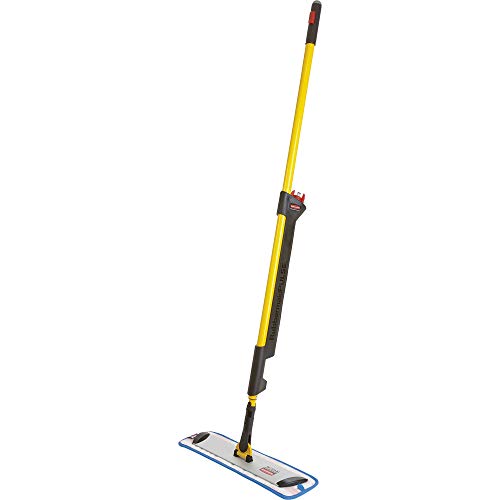
HIGH-EFFICACY CLEAN: Removes 99.7% or more of tested virus and bacteria with water only

HANDHELD STEAM CLEANER THAT CONVERTS TO A FLOOR MOP: Use the H2O Steam FX Pro as a lightweight handheld spot cleaner for everyday detail jobs, then attach the mop head and extension bars to clean sealed floors around the home.

Powerful Steam Mop Cleaner:Steam cleaner is your reliable assistant for home cleaning; Utilizing high-pressure steam effectively, heating up in just 10 seconds, reaching temperatures of up to 248°F to swiftly convert water into steam, equipped with 2 adjustable steam modes, effortlessly eliminating dirt, grease, and tough stains on various indoor and outdoor surfaces
Benefits of Traditional Mops
A reliable option for many households and businesses, traditional mops offer several notable benefits that enhance their cleaning capabilities. These mops are highly absorbent, efficiently covering large areas and managing significant spills with their loose strands. They are also accessible, featuring a lower initial cost that suits both residential and commercial settings. The durability of materials such as cotton or blends enhances their longevity when used with appropriate cleaning solutions. Additionally, traditional mops are versatile, making them suitable for various surfaces like tile, hardwood, and laminate. This versatility, combined with the control users have over the amount of water and solution applied, makes traditional mops a staple in many cleaning routines, meeting diverse cleaning needs effectively. Some traditional mops are also compatible with environmentally friendly cleaning solutions, such as Simple Green, which maintain surface safety and cleanliness without harsh chemicals.
Cleaning Efficiency: A Side-by-Side Comparison
When it comes to cleaning efficiency, various factors differentiate handheld floor mops from traditional mops, influencing their effectiveness in different scenarios. Handheld mops excel in maneuverability, allowing for quick clean-ups in tight spaces, while traditional mops are designed for high absorbency to handle larger spills. Handheld mops, often featuring advanced microfiber materials, trap dirt more effectively, enhancing overall cleaning efficiency. Additionally, they typically require less water usage, reducing the risk of slips and protecting delicate flooring. Importantly, handheld mops using steam technology can eliminate up to 99.9% of bacteria, outperforming traditional mops that may spread pathogens through contaminated mop heads. For dorm rooms, investing in lightweight designs under 4 pounds can significantly improve cleaning efficiency and ease of use. These factors collectively contribute to the distinct capabilities of each mop type in various cleaning contexts.
Recommended Products
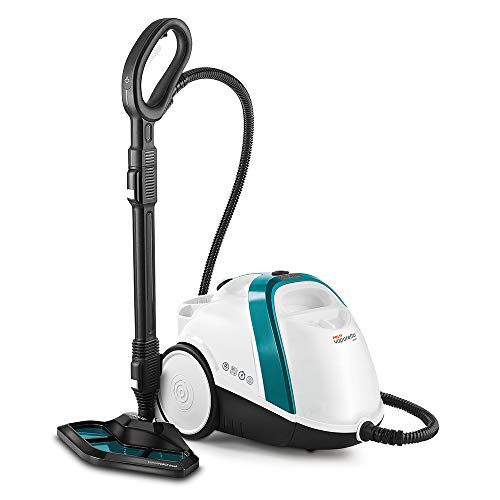
ALL-IN-ONE FLOOR AND PORTABLE HANDHELD CLEANING: Our POLTI Smart 100 offers multiple features including 10 multi-purpose attachments that allow you to sanitize multiple flooring, including carpets & rugs, windows and more. Our 5-channel swivel mop head with integrated brush and extended 2-ply microfiber pad, deep cleans flooring. Our included carpet glider can be used for deodorizing, renewing and refreshing carpets. Choose from continuous steam flow or on-demand pulse steam

【HIGH TEMPERATURE & POWERFUL CLEANING】SQKMYSU Steam Mop cleans your home for saves time and effort. Just add tap water, this steam mop can reach a very high temperature and work rapidly to generate steam within just 15 seconds.No waiting, no scrubbing, just effortless cleaning.

Steam Blaster Technology delivers a powerful, targeted burst of steam directly to tough, stuck-on messes for deep cleaning on hard floors without the need for harsh chemicals
Convenience and Portability: Which Wins?
How do convenience and portability compare between handheld floor mops and traditional mops? Handheld mops typically offer greater convenience due to their lighter and more compact design, making them easier to maneuver and store in small spaces. Many handheld mops include built-in cleaning solutions, allowing for quick refills without the need for a separate bucket, which reduces setup time. They excel at quick touch-ups and can access tight spaces more effectively, enhancing overall cleaning efficiency. In contrast, traditional mops, while effective for large areas, can be bulkier and demand additional setup, which can affect convenience. This practical comparison highlights how handheld mops cater to smaller cleaning tasks, while traditional mops serve extensive cleaning requirements better. Handheld vacuums are similar in terms of versatility, as they combine functionality like vacuuming and air dusting, which enhances their effectiveness across various surfaces.
Recommended Products

DURABLE COMMERCIAL GRADE CONSTRUCTION: High-performance material construction provides strength to withstand rigorous daily use. Aluminum telescoping handle is dependable for heavy daily use. Designed with heavy-duty kick plate to increase durability.

8 IN 1 FLOOR STEAM MOP: Double the Cleaning Power, Half the Effort All-In-One Steam Mop, Floor Polisher, Scrubber, Lightweight, Fast, Powerful, & Completely Chemical Free!

EVERY PURCHASE SAVES PETS. BISSELL proudly supports BISSELL Pet Foundation and its mission to help save homeless pets.
Cost Considerations for Mops
Cost considerations for mops can greatly influence consumer choices, as various options present different price points and long-term expenses. Traditional mops, including string and flat variants, typically range from $15 to $40, while handheld spray mops usually start around $30. Steam mops present higher upfront costs, averaging from $80 to $300, yet can provide long-term savings on cleaning supplies due to their chemical-free function. Replacement mop heads add to overall costs; handheld mop heads vary from $5 to $25, while spin mop heads cost between $10 to $15. Cyclone vacuums are ideal for allergy sufferers, featuring advanced HEPA filtration systems that capture about 99.97% of particles as small as 0.3 microns. Ultimately, while the initial purchase price of traditional mops may be lower, ongoing costs for cleaning sessions and replacement mop heads can accumulate, influencing budget decisions.
Recommended Products

👍【Functions】- Easily switch between 3 modes, body sprays, Overhead Rainfall Shower and Handheld Spray. Single handle easy to control hot and cold water. cUPC certification. US plumbing standards with 1/2 "NPT connection.

Clean Large & High Windows Without Ladders – Smart Cleaning Solution WISEBOT is designed for homeowners who want an easier way to maintain large glass surfaces. This window cleaner robot provides stable vertical cleaning for floor-to-ceiling windows, balcony glass, mirrors and exterior surfaces, helping reduce manual effort and eliminating the need for ladders or repeated wiping.

Is your job or hobby messy? Are you tired of dragging around heavy full size shop vacuums and dealing with messy cords? Need a super light and reliable vacuum cleaner that you can grab and go with ease? The Prolux Pro Toolbox Vac is the answer for quick cleanups for everything from hobbyists to contractors. Whether it be cleaning up after sanding your latest wood project, showing off your professionalism by leaving your finish work clean or simply attacking the coffee you just dumped all over.
Maintenance and Care for Each Type
Maintenance plays an essential role in the longevity and efficiency of both handheld and traditional mops. Handheld mops, which often utilize washable pads, require less maintenance than traditional mops, where cotton heads need frequent replacement. After each use, traditional mops should be thoroughly rinsed and dried to avoid odors and mold growth. In contrast, many handheld mops can be conveniently cleaned in a washing machine. To guarantee effective cleaning, users should check and replace handheld mop pads every 2-3 months, while traditional mop heads need replacement when signs of damage appear. Additionally, proper care mandates that both types be stored in dry, ventilated areas, as these storage practices greatly enhance their longevity and usability over time. Regular filter replacement is vital for optimal performance, akin to the maintenance required for vacuum cleaners to ensure efficient dust removal.
Environmental Impact: Evaluating Sustainability
The environmental impact of cleaning tools, especially between handheld floor mops and traditional mops, warrants careful consideration. Handheld mops utilize reusable microfiber pads, which markedly reduce waste compared to traditional mops that rely on disposable materials. They also promote sustainability by minimizing chemical residues in healthcare settings, aligning with eco-friendly cleaning practices. The efficient cleaning capabilities of handheld mops can lead to reduced water and cleaning solution usage, contributing to a lesser environmental impact. Additionally, the change to handheld vacuum mops decreases waste generated from single-use products, enhancing overall sustainability. By adopting advanced cleaning methods, users can support initiatives aimed at producing minimal hazardous waste while maintaining effective cleaning standards in various environments. Many modern cordless mop vacuums, such as the Bissell CrossWave OmniForce, are designed to sanitize surfaces efficiently by eliminating 99.9% of bacteria, further supporting eco-friendly cleaning practices.
Performance in Heavy-Duty Scenarios
In heavy-duty cleaning situations, handheld floor mops demonstrate superior performance due to their lightweight design, which enhances maneuverability and reduces user strain. These mops excel at handling stubborn messes, making them ideal for tough environments like kitchens and industrial spaces. Unlike traditional mops, which often rely on manual scrubbing and can require significant physical effort, handheld mops streamline efficiency with specialized attachments such as scrub pads. This versatility allows for targeted cleaning without the extensive setup associated with traditional mops. Additionally, the quicker maneuverability of handheld mops translates to reduced labor time, enabling users to complete heavy-duty tasks more effectively. Consequently, when faced with challenging cleaning scenarios, handheld mops emerge as a practical choice for superior cleaning efficiency. Moreover, the adjustable brush head found in some models like the Qimedo Cordless Electric Mop further enhances cleaning flexibility, making it easier to tackle various surfaces and dirt types.
Recommended Products

【Large Capacity】Designed with a 50.7oz large capacity water tank, this steam cleaner for car with a 16ft long power cord provides up to 50 minutes steaming time, which is ideal for whole-home cleaning without interruption

Choose Your Material - Available in three durable, rust-proof options: Accu-Shield for extreme conditions, industrial-grade Max-Duty Aluminum, or lightweight Aluma-Lite for easy handling and durability

➤ LARGE BRUSH HEAD - At 9.5" long and 4" wide, Lola's handheld whisk broom is perfectly sized to reach into tight places but also, when pressed down just a little, sweeps up a 10" wide area, it simply whisks away dirt and debris.
Making the Right Choice for Your Home
Choosing the right mop for home cleaning can greatly affect overall efficiency and convenience. Handheld mops, known for their lightweight design and maneuverability, excel in quick clean-ups, effectively capturing dirt and dust with their exceptional microfiber pads. These mops use less water, reducing drying time, which enhances cleaning efficiency. In contrast, traditional mops, often made of cotton or string, may require more effort due to their cumbersome nature and greater water retention, potentially spreading dirt rather than lifting it. Traditional mops need a bucket for setup, which adds to the cleaning time. As consumers increasingly seek convenience, this practical comparison highlights the growing preference for handheld mops, projected to have a CAGR of 2.58% in the manual cleaning sector.
Frequently Asked Questions
Which Type of Mop Is Most Effective?
In a mop effectiveness comparison, handheld floor mops outperform traditional options, showcasing superior cleaning efficiency, design advantages, and versatility. User experience reviews highlight lower maintenance and drying times, while offering sustainable solutions and favorable cost-benefit evaluations.
Are Traditional Mops Better?
Traditional mops, cherished for their inefficiency and potential to spread germs, offer undeniable durability and cost benefits. While eco-friendly options exist, challenges in ease of use and time investment often overshadow their supposed cleaning efficiency.
What Is the Most Practical Mop?
Handheld mops, praised for their ergonomic design and cleaning efficiency, often outperform traditional options. Their lightweight structure, maintenance ease, and convenient storage options attract positive user testimonials, demonstrating durability and affordability in various floor compatibility scenarios.
What Is the Most Sanitary Way to Mop Floors?
In the battle against bacteria, steam mops reign supreme for sanitary cleaning. Their disinfecting methods embrace floor surfaces with user convenience, minimizing drying times while ensuring odor control, enhanced mop care, and effective bacteria reduction through reusable microfiber solutions.
Conclusion
To summarize, choosing between handheld floor mops and traditional mops depends on specific needs and cleaning scenarios. For instance, a homeowner with a small apartment may find a handheld mop more efficient for quick clean-ups, while a family with pets might prefer a traditional mop for deep cleaning. Both options have unique advantages and disadvantages, which merits careful consideration of factors such as cleaning efficiency, ease of maintenance, and overall suitability for different flooring types.


