As an Amazon Associate, we earn from qualifying purchases. Some links on this site are affiliate links at no extra cost to you. Our recommendations are based on thorough research and editorial judgment.


How to Clean Kitchen Floors: Grease, Crumbs, and Sticky Spills

To clean kitchen floors effectively, first understand the floor type. Gather supplies like a microfiber mop, broom, and suitable cleaning solutions. Begin by sweeping or vacuuming to remove crumbs and dirt. For sticky spills, use a warm water and dish soap mixture to break down grease. Mop using the right solution for your specific floor, rinsing frequently. Regularly maintain by sweeping daily and deep cleaning monthly. Additional tips for stubborn stains and efficient cleaning methods follow.
Key Takeaways
- Begin by sweeping or vacuuming to remove loose dirt, crumbs, and debris from the kitchen floor.
- Use a suitable cleaner; a warm water and dish soap mixture effectively breaks down grease and sticky spills.
- For stubborn stains, apply baking soda, let it sit for 15 minutes, and scrub with a soapy solution.
- Mop the floor with a microfiber mop, rinsing it frequently to prevent the redistribution of dirt.
- Allow the floor to air dry completely to maintain cleanliness and prevent slipping hazards.
Understanding Your Floor Type

Understanding the type of kitchen floor is essential for effective cleaning, as various materials have distinct needs. The different types include tile, hardwood, laminate, and vinyl, each requiring unique cleaning strategies. Tile floors are resilient and can handle stronger cleaners, yet they need considerable scrubbing to effectively remove grease. Conversely, hardwood floors demand gentle cleaning methods and pH-neutral floor cleaners to avoid warping. Vinyl floors, sensitive to chemicals, require specially formulated cleaners to prevent discoloration. Identifying a kitchen floor’s material not only dictates the choice of cleaner but also the suitable tools needed, such as mops and cloths designed for specific surfaces, ensuring ideal cleaning results while preserving floor integrity. When cleaning hardwood floors, consider using vacuums with high suction power and lightweight designs to ensure effective removal of dust and debris without damaging the surface.
Recommended Products
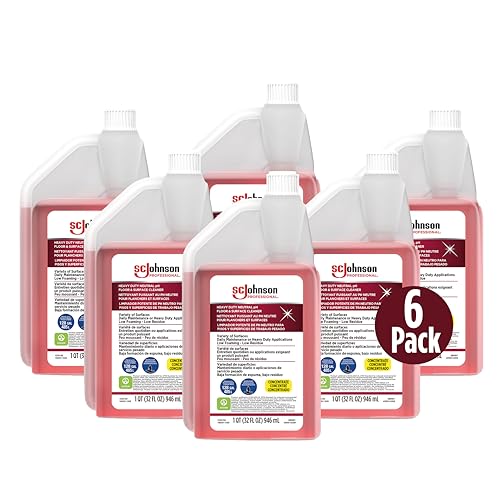
SC Johnson Professional Heavy Duty Neutral pH Floor and Surface Cleaner is ideal for the daily cleaning and maintenance of hard, non-porous surfaces and high-traffic flooring

Gentle, Effective Cleaning: Removes dirt, grime, and sticky residue without streaks or dulling your floor’s finish. Safe for everyday use on wood, laminate, and vinyl plank floors.

Gathering the Right Supplies

When preparing to clean kitchen floors, having the appropriate supplies can greatly enhance the efficiency and effectiveness of the task. Essential tools include a broom or vacuum for removing loose dirt and debris before deeper cleaning begins. A microfiber mop is highly recommended, as it traps dirt and grime more effectively than traditional mops. A mop and bucket are necessary for holding and mixing the appropriate cleaning solution tailored to the specific kind of floor. Selecting the right cleaning products is vital; for example, pH-neutral cleaners work well for hardwood, while vinegar solutions are suitable for tile. Finally, keep absorbent cloths or paper towels handy for quick spills and to assist with drying after mopping. For those considering vacuum options, models with HEPA filtration can capture 99.97% of particles as small as 0.3 microns, ensuring superior air quality.
Step-by-Step Cleaning Process

A systematic approach to cleaning kitchen floors enhances the overall effectiveness of the task. First, one should sweep or vacuum the kitchen floor to eliminate loose dirt and debris, ensuring a clean surface. Next, stubborn stains and sticky spills require spot cleaning with a damp cloth and the appropriate cleaner for the floor type, specifically targeting any grease present. Afterward, mopping the floor with a solution of warm water and a suitable cleaning product is essential; a microfiber mop is ideal for capturing dirt without scratching. It’s important to rinse the mop frequently to prevent redistributing dirt, particularly in greasy areas. Finally, allow the floor to air dry completely for safety and cleanliness before using the kitchen again. For those with allergies, using a vacuum with a HEPA filtration system can effectively trap allergens while cleaning, ensuring a healthier indoor environment.
Recommended Products
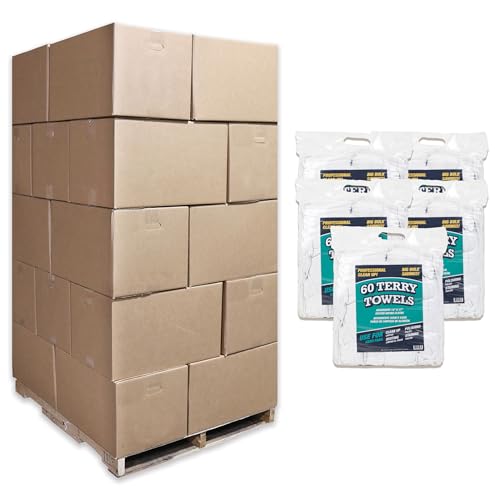
PREMIUM QUALITY TERRY TOWEL CLEAN UP CLOTHS: Our terry cleaning cloth towels are made of 100% cotton and are very absorbent. 60 utility towel measuring 14" x 17" in a poly bag with carrying handle for convenience

[CLEAN LIKE A PRO] — Transform your cleaning regimen by eliminating the need for a vacuum and cutting your cleaning time in half! Our microfiber dust mop heads effortlessly gather dust, dirt, and debris, extending the lifespan of hardwood, laminate, and tile floors.

SATIN “GLAZE & SEAL” LOOK – Creates a smooth satin finish that enhances ceramic and porcelain tile while acting like a protective tile glaze topcoat for floors and walls.
Daily Maintenance
Daily maintenance of kitchen floors is essential for sustaining cleanliness and prolonging the lifespan of the flooring material. To keep the kitchen tidy, it is advisable to sweep or use a vacuum cleaner regularly to remove crumbs and dirt, preventing debris from embedding into the floor. This simple step helps maintain the surface’s integrity. A wet mop, combined with a mild solution like dish soap, can effectively cut through grease when wiping down the floors. Regularly inspecting mops and vacuum cleaners guarantees they remain effective and free from grime buildup. Establishing a daily cleaning routine helps to eliminate sticky spills promptly, preserving the kitchen’s overall appearance. Monthly deep cleaning is also recommended, using solutions suited for the specific floor type. To enhance cleaning efficiency, consider using cordless vacuums with anti-hair wrap technology which offers features like easy maneuverability and versatile attachments that are ideal for tackling kitchen messes.
Spot Cleaning Hacks
Spot cleaning offers an efficient solution for addressing unexpected messes in the kitchen, allowing homeowners to maintain a clean environment with minimal effort. For sticky spills, a warm water and dish soap mixture effectively breaks down grease; homeowners should guarantee they follow this with a microfiber cloth or sponge, should they need to scrub. To tackle stubborn oil stains, baking soda proves effective; it should be sprinkled on the stain, allowed to sit for 15 minutes, and then scrubbed with a soapy solution. A vinegar and water mixture can be used to clean sticky residue, and absorbent materials like kitty litter can soak up excess liquids. Using a Cordless Electric Mop with LED headlights can further enhance cleaning by illuminating hard-to-see areas, ensuring thorough removal of grease and crumbs. Always rinse the cleaned area with water and dry it thoroughly afterward.
Frequently Asked Questions
How to Clean a Greasy Kitchen Floor?
To clean a greasy kitchen floor, one should apply a grease-cutting degreasing solution using appropriate cleaning tools. After scrubbing thoroughly, rinsing is essential for floor safety and effective kitchen maintenance.
How to Clean a Sticky Kitchen Floor?
To clean a sticky kitchen floor, one should use eco-friendly cleaning solutions, regularly mop, and consider product recommendations. Daily maintenance prevents sticky mess accumulation, ensuring a cleaner surface and an inviting kitchen environment.
Is Dawn and Vinegar a Good Floor Cleaner?
The union of Dawn soap and vinegar symbolizes purity, representing a powerful floor cleaner. This natural solution excels in grease removal, offering effective cleaning hacks and eco-friendly alternatives for those seeking efficient home remedies.
How Do You Clean Sticky Kitchen Grease?
To clean sticky kitchen grease, one should use grease-cutting cleaning solutions, like a DIY mixture of dish soap and warm water. Floor scrubbing with a stiff brush effectively removes sticky residue, ensuring proper kitchen maintenance afterward.
Conclusion
In the domain of kitchen upkeep, maintaining clean floors is akin to nurturing a garden; neglect leads to chaos. Just as a gardener must recognize the soil type and select appropriate seeds, homeowners should understand their floor type and choose effective cleaning methods. With consistent care and reliable supplies, the kitchen floor can remain a shining foundation for culinary creativity. Consequently, embracing daily maintenance and spot cleaning guarantees a tidy space, fostering both hygiene and harmony in the home.


