As an Amazon Associate, we earn from qualifying purchases. Some links on this site are affiliate links at no extra cost to you. Our recommendations are based on thorough research and editorial judgment.


The Right Way to Vacuum Carpets Vs Hard Floors Without Damaging Them

Vacuuming carpets requires specific techniques, including adjusting the height for different pile types and using motorized brush heads for effective dirt removal. In contrast, hard floors need gentle suction and soft brush rolls to avoid damage. Non-marking wheels are essential for vinyl and laminate surfaces to prevent scuff marks. Regular maintenance such as emptying canisters enhances performance. Understanding these differences helps maintain both carpets and hard floors effectively, and more detailed methods follow.
Key Takeaways
- Adjust the vacuum height based on carpet pile length for effective cleaning without damaging fibers.
- Use motorized brush heads for synthetic carpets, ensuring deep cleaning while avoiding beater bars for wool carpets.
- Opt for vacuums with soft rubber wheels on hardwood and vinyl floors to prevent scratches and scuffs.
- Employ gentle suction and hard floor settings while vacuuming tile and stone to protect surfaces and clean grout efficiently.
- Vacuum carpets 1-2 times weekly and hard floors bi-weekly, adjusting frequency based on traffic for optimal maintenance.
Understanding the Different Types of Floors
Understanding the different types of floors is essential for selecting the right cleaning methods and tools. Various carpet types present unique challenges; for example, wool carpets must be vacuumed gently to prevent damaging fibers, whereas synthetic carpets can withstand motorized brush agitation. Hard floors, including hardwood, vinyl, tile, and stone, require different approaches. Hardwood floors benefit from vacuums with rubber wheels to safeguard against scratches. Vinyl flooring demands lightweight vacuums with non-marking wheels and a careful back-and-forth motion to remove embedded dirt without causing damage. Additionally, tile and stone floors need strong suction to clean grout while preserving surface integrity. Developing proper vacuuming techniques guarantees that the cleanliness of both carpets and hard floors is effectively maintained. Shark POWERDETECT’s DuoClean Technology ensures enhanced cleaning across various floor types, providing versatile performance for both carpets and hard floors.
Recommended Products

👍[Easy Operated]The 15-inch brush with a 23-inch rubber scraper behind it scrubs water off the floor and cleans large areas in minutes. Automatic cleaning/suction, equipped with automatic water control valve, no need to manually control the water flow.

7-Year Warranty for Your Peace of Mind - Feel confident in your investment with Sebo's comprehensive warranty coverage: an impressive 7-year warranty on both brush and suction motors, plus 5 years of protection on all non-wear parts and labor. Proudly manufactured in Germany, the K3 is meticulously engineered to the highest standards, ensuring reliability, durability, and performance you can trust year after year.

The World’s Best Pet Vacuums | 15" Cleaning Path | Tightly Sealed Hospital-grade Filtration Reliable, Commercial-grade Components | Rubber Wheels and Bumpers Protect Homes High-tech Brush Roller Technology | Changing Bags is Easy and Clean | Save Money! Sebo | Vacuums Last for Years | Free Warranty Coverage
Selecting the Right Vacuum for Each Flooring Type
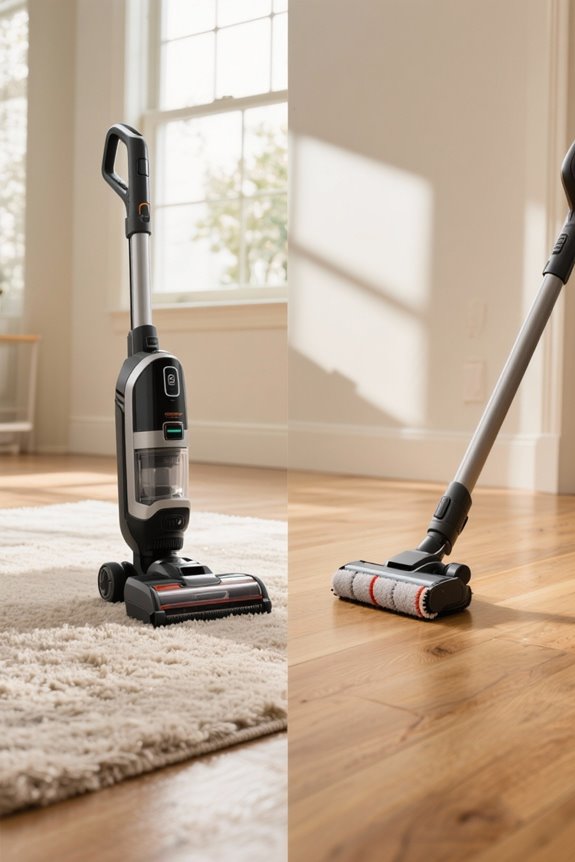
Selecting the right vacuum for each flooring type requires an understanding of the unique features that enhance cleaning efficiency. For carpets, vacuums with motorized brush heads provide ideal agitation, effectively lifting dirt and dust from deep within fibers. Adjustable brush height is vital to accommodate varying carpet lengths. In contrast, hardwood and vinyl floors necessitate vacuums equipped with soft rubber wheels and gentle suction settings, minimizing the risk of scratches. Lightweight models are particularly suitable for vinyl, ensuring easy maneuverability without denting surfaces. Central vacuum systems serve larger homes with carpeted areas, offering powerful suction and advanced filtration to reduce allergens. Understanding vacuum settings and specifications is essential for maintaining the quality and longevity of various flooring types. Additionally, HEPA filters are recommended for capturing allergens, contributing to cleaner air quality, and are an important feature to consider when selecting a vacuum.
Recommended Products

Bundle Includes: Genuine Miele TU Hyclean Performance Pack with 16 TU HyClean vacuum bags and 1 Miele HEPA AirClean Filter
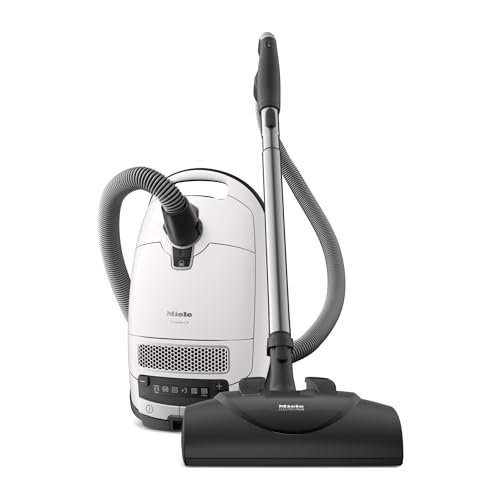
Powerful cleaning: Bagged canister vacuum designed for pet owners with an electrobrush floorhead featuring 5 carpet settings for all carpet types and parquet twister floorhead for smooth floors
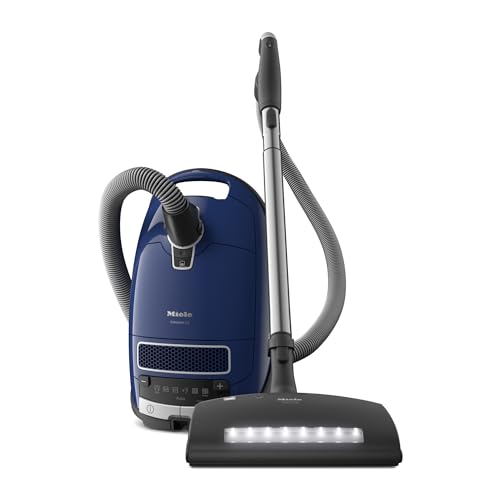
POWERFUL AND QUIET: Bagged canister vacuum optimal for all flooring types with an Electrobrush with LED headlight for carpets and Parquet floorhead for smooth flooring
Essential Techniques for Vacuuming Carpets
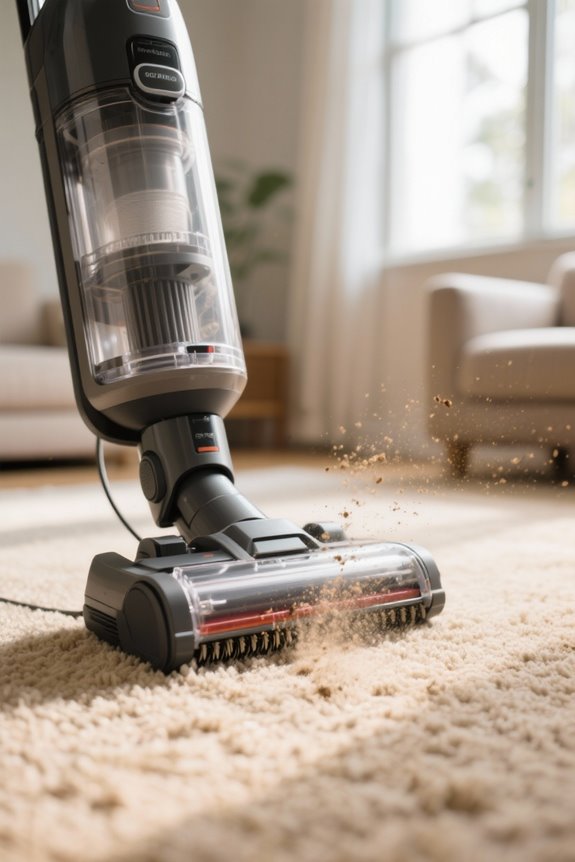
Effective carpet vacuuming techniques not only enhance cleanliness but also extend the life of carpets. To achieve this, it is important to adjust the height of the vacuum based on carpet pile, ensuring effective cleaning without damaging fibers. Utilizing slow, overlapping strokes is vital for capturing dirt and debris thoroughly, allowing powerful suction to dislodge embedded particles. For synthetic carpets, employing a vacuum with a beater bar effectively lifts allergens and deep-seated dirt. Conversely, wool carpets require gentle vacuuming techniques without a beater bar to avoid fiber damage. Maintaining a vacuuming frequency of 1-2 times per week is recommended for homes with pets or in high-traffic areas to prolong carpet lifespan and maintain exceptional cleanliness. For optimal results, consider using vacuums with dual HEPA filter systems to enhance air quality and effectively trap allergens.
Recommended Products

Fast and Vast: Is a small machine forcing your team to work twice as long on large floors? This heavy duty vacuum cleaner, assembled in the USA, clears a 30-inch path to finish 29,000 square feet an hour so you can get the job done faster

50-foot safety yellow cord, with restraint to protect against cord abuse

Bundle Includes: Genuine Miele TU Hyclean Performance Pack with 16 TU HyClean vacuum bags and 1 Miele HEPA AirClean Filter
Effective Vacuuming Methods for Hard Floors
Vacuuming hard floors necessitates specific techniques to effectively cleanse various surfaces while preventing damage. Using a vacuum with a hard floor setting or a soft brush roll is essential for protecting hardwood and tile surfaces during cleaning. Maintaining gentle suction levels helps to remove dirt without lifting or damaging delicate materials. Employing smooth strokes while vacuuming, in a back-and-forth motion, captures dirt efficiently without scattering debris. Additionally, using non-marking soft rubber wheels enables the vacuum cleaner to glide over surfaces like vinyl and laminate, avoiding scuff marks. Regular vacuuming is important to maintain the appearance and longevity of hard floors, typically necessitating a thorough cleaning every 1-2 weeks, depending on foot traffic. A dual tank system enhances cleaning efficiency by separating clean and dirty water, ensuring optimal hygiene and preventing cross-contamination.
Recommended Products

LARGE CAPACITY - 15-gallon drum ensures large volume liquid pickup and durability and features a tip-and-pour drain port for quickly draining liquids

DUAL-MOTOR SYSTEM - Never worry about losing suction again; ProTeam professional upright vacuum cleaners maintain power to both the brush roller and the suction motor

Frequency of Vacuuming: How Often Should You Clean?
Maintaining a consistent vacuuming schedule is important for different flooring types, as it directly influences cleanliness and overall appearance. For carpets in homes with pets or children, vacuuming 1-2 times per week effectively removes dirt and allergens, ensuring a clean living environment. Hard floors, such as hardwood and vinyl, typically require vacuuming every two weeks to maintain their surface dirt and appearance. Tile or laminate flooring may only need monthly vacuuming, depending on foot traffic and pet presence. Additionally, high-traffic areas, like entryways or living rooms, necessitate more frequent vacuuming, ideally every other day, to keep dirt levels manageable. Regular adjustments based on specific flooring types and dirt levels improve cleaning efficiency and maintain an exceptional home ambiance. For optimal results, vacuum cleaners with HEPA filters are recommended as they capture 99.97% of particles as small as 0.3 microns, significantly improving air quality and dust capture.
Maintenance Tips for Prolonging the Life of Your Vacuum
Proper care is essential for prolonging the life of a vacuum, as this maintenance directly impacts its performance and efficiency. Regular maintenance of vacuum cleaners, such as emptying the dust canister or replacing bags at least once a week, helps sustain suction power. Monthly cleaning of the vacuum brush and attachments prevents hair and debris buildup, further enhancing performance. Additionally, homeowners should check and replace or wash the vacuum filter every three months to optimize airflow and reduce allergens. Quarterly inspections of the vacuum hose for clogs or damage are vital for effective cleaning. Finally, scheduling professional servicing annually is advisable to maintain motor performance and check for belt wear, greatly contributing to prolonging the life of the appliance. For those with concrete floors, using the appropriate floor cleaner will prevent damage and maintain the surface’s shine, complementing regular vacuum maintenance.
Frequently Asked Questions
Why Shouldn’t You Vacuum Hardwood Floors?
Vacuuming hardwood floors can cause scratches if improper techniques and settings are used. Floor protection is essential; using the right vacuum attachment, cleaning frequency, and addressing dust accumulation helps maintain hardwood integrity while ensuring effective debris removal.
What Is the First Thing to Do Before Vacuuming a Carpet?
Before vacuuming a carpet, one should perform pre-vacuum preparations by removing clutter, ensuring ideal vacuum maintenance, and selecting appropriate vacuuming techniques. This enhances carpet care, aids pet hair removal, and accommodates various carpet fiber types effectively.
Is It Better to Vacuum or Sweep Hard Floors?
Hard floor vacuuming is deemed superior to sweeping for effective dirt removal and dust accumulation prevention. Utilizing the best cleaning tools enhances surface material care, while cleaning frequency recommendations guarantee longevity, especially in pet hair-laden environments.
Why Do People Put Baking Soda on Carpet Before Vacuuming?
People use baking soda on carpets for odor elimination and as a carpet freshener. This eco-friendly solution aids in stain removal, deep cleaning, and allergen reduction, enhancing overall carpet maintenance through an effective vacuuming trick.
Conclusion
In the end, maintaining carpets and hard floors with the right vacuum is almost like knowing what to wear in a rainstorm: one shoe cannot fit both purposes. While carpets require vacuums with strong suction and rotating brushes, hard floors benefit from softer attachments to prevent scratches. Understanding these distinctions can greatly enhance cleanliness and prolong the lifespan of both your flooring and vacuum. Consequently, being equipped with knowledge transforms a mundane task into a well-executed routine.


