As an Amazon Associate, we earn from qualifying purchases. Some links on this site are affiliate links at no extra cost to you. Our recommendations are based on thorough research and editorial judgment.


Important Safety Features to Look For in Any Vacuum Cleaner

When choosing a vacuum cleaner, users should prioritize safety features like automatic shut-off mechanisms, which prevent overheating during clogs. Look for appliances with UL or ETL certifications, ensuring compliance with safety standards. Lightweight models enhance maneuverability, while durable materials, such as fire-resistant plastics, increase reliability. User-friendly controls simplify operation, and overload protection systems extend motor lifespan. Attention to these aspects will contribute to a safer cleaning experience, ensuring effective performance and user protection. Further insights are available for consideration.
Key Takeaways
- Look for an automatic shut-off mechanism to prevent overheating and protect the motor when clogged or the dust container is full.
- Ensure the vacuum has overload protection to automatically turn off during excessive power draw, extending its lifespan.
- Check for safety certifications like UL, ETL, and CE that confirm adherence to essential safety standards.
- Opt for models with high-temperature resistant materials in the motor housing for safe operation and reliability.
- Advanced filtration systems, such as HEPA filters, enhance air quality while capturing allergens, promoting a healthier environment.
Ergonomic Design for Comfortable Handling
When it comes to vacuum cleaners, ergonomic design plays a pivotal role in ensuring comfortable handling. Models equipped with rubber or foam grips on their handles notably reduce hand fatigue during extended cleaning sessions. Lightweight vacuums minimize physical strain, allowing users to maneuver with less effort. A superior ergonomic design permits users to maintain a natural posture while vacuuming, preventing injuries related to hunching or twisting. Many designs also feature adjustable handle heights to suit various users, promoting better alignment and comfort. In addition, some vacuum cleaners incorporate pivoting heads and swivel steering, which enhance maneuverability and additionally alleviate wrist strain during operation. Consequently, effective ergonomic design is essential for improving user experience in daily cleaning tasks.
Automatic Shut-Off Mechanism
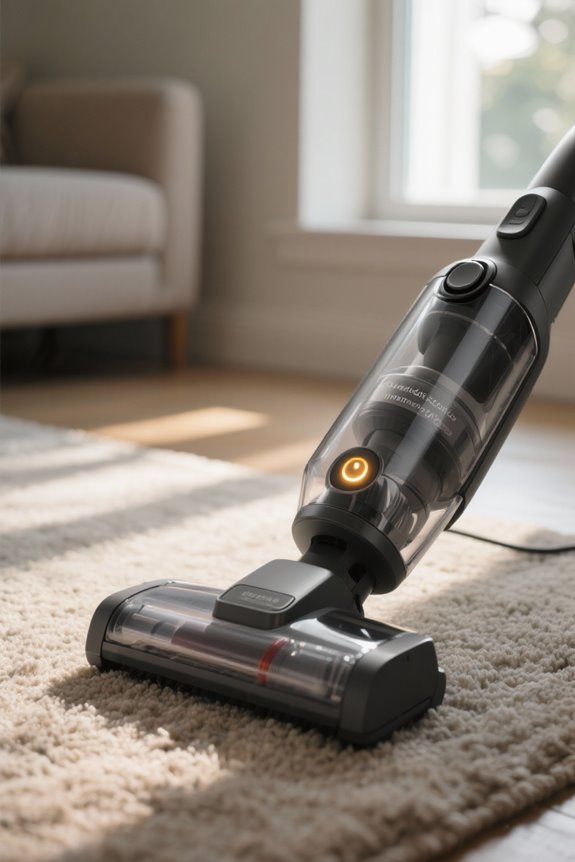
Vacuum cleaners equipped with an automatic shut-off mechanism greatly enhance safety during operation. This feature prevents overheating by automatically turning off the motor when it detects excessive temperature levels. The automatic shut-off mechanism also activates if the vacuum is clogged or the dust container is full, considerably reducing the risk of motor damage and potential fire hazards. Many modern vacuum cleaners include diagnostic indicators that alert users to issues needing attention, making it easier to address problems promptly. In high-maintenance environments, this safety precaution minimizes the risk of user injuries from machine malfunctions. Additionally, the incorporation of this mechanism aligns with safety standards and regulations, thereby enhancing the overall reliability of the vacuum cleaner for both household and commercial use. Driveway vacuum cleaners with strong suction power are especially beneficial as they efficiently handle various outdoor messes, further ensuring safe and effective operation.
Lightweight Construction for Easy Maneuverability
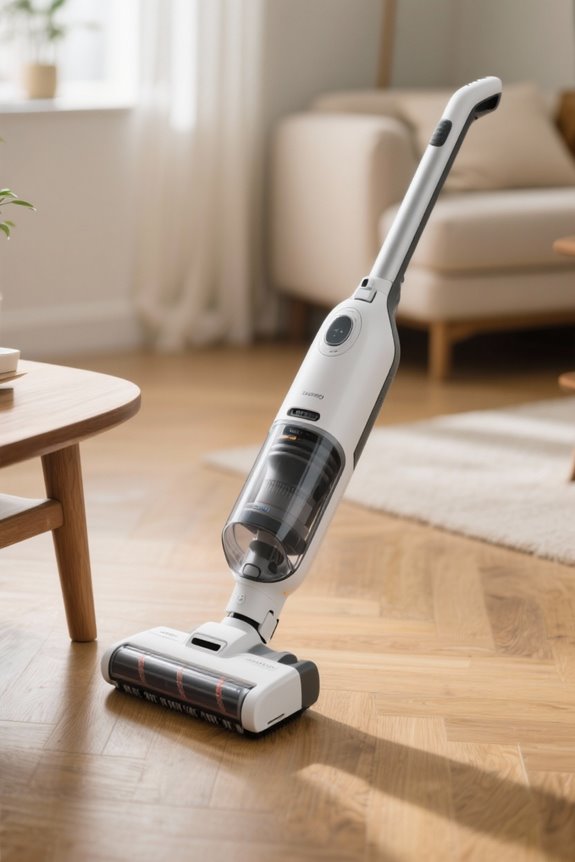
Lightweight construction in vacuum cleaners plays an essential role in enhancing user experience and efficiency. Typically weighing between 6 to 10 pounds, lightweight vacuum cleaners facilitate easy maneuverability, reducing user fatigue during prolonged cleaning sessions. Many models include ergonomic handles and a low center of gravity, contributing to increased stability and control while using them. Compact designs allow for convenient storage in limited spaces, appealing to users with small homes. Additionally, the ability to lift and carry lightweight vacuums simplifies access to high or hard-to-reach areas, such as corners and ceilings. This construction can also greatly lessen the risk of injury, especially for individuals with limited strength or mobility, enabling easier handling without straining the body. Some models like the Bissell CleanView Compact Turbo offer additional features like powerful suction and scatter-free technology, enhancing their usability on various surfaces.
Safety Certifications and Standards
Ensuring safety in household appliances is as important as ensuring their functionality and convenience. When selecting a vacuum cleaner, consumers should prioritize safety certifications to confirm compliance with essential standards. For instance, UL (Underwriters Laboratories) and ETL (Electro-Technical Laboratory) certifications indicate that the product has undergone rigorous testing for electrical safety in North America. The CE mark guarantees compliance with European safety regulations, ensuring adherence to health and environmental protection standards. Additionally, ANSI (American National Standards Institute) certifications provide guidelines for mitigating electrical shock and fire risks. Consumers should also look for vacuum cleaners meeting EPA (Environmental Protection Agency) standards, especially those featuring HEPA filters that effectively trap allergens and enhance indoor air quality, thereby achieving improved vacuum cleaner safety. In addition to safety certifications, strong suction power is essential for effective cleaning performance, enabling vacuums to efficiently remove dirt and allergens from various surfaces.
Tangle-Free Cords and Hose
A vacuum cleaner’s tangle-free cords and hoses greatly enhance its usability and effectiveness in various cleaning environments. These tangle-free cords are engineered to reduce knots and twisting, promoting a smoother vacuuming experience. Modern models often feature swiveling hose connections that pivot easily, increasing maneuverability around furniture while minimizing tangling. Many designs include built-in storage solutions that keep cords and hoses neatly tucked away, preventing trip hazards when the vacuum is not in use. Additionally, high-end vacuum models utilize specialized materials in their hoses, which resist kinking and guarantee consistent airflow and suction power. Selecting a vacuum with these tangle-free features can considerably improve convenience, especially in households with pets or multiple obstacles, making it easier to maintain a clean space. Furthermore, models with two batteries extend runtime for uninterrupted cleaning, providing added convenience for extensive cleaning sessions.
HEPA Filtration for Allergens
While many vacuum cleaners focus on raw suction power, those equipped with HEPA filtration systems take cleaning efficacy a step further by targeting household allergens. HEPA filters capture 99.97% of particles as small as 0.3 microns, effectively trapping allergens such as pollen, dust mites, and pet dander. This level of filtration plays a significant role in improving indoor air quality, a vital factor for individuals with allergies or asthma. With a tightly sealed design, these vacuum cleaners prevent dust and allergens from escaping back into the air during the cleaning process. Regular maintenance, including cleaning or replacing HEPA filters, is essential to maintain their efficiency. Health organizations often recommend HEPA-equipped vacuums for reducing airborne allergens in homes. Invest in filters certified by ASTM F1977 for reliable filtration efficiency, as these ensure that the filters meet stringent standards for capturing small particles.
Anti-Static Features
Vacuum cleaners equipped with anti-static features greatly improve user safety and cleaning efficiency by mitigating static electricity buildup. These features often utilize specialized materials and construction methods that effectively dissipate static charge, making vacuuming safer, especially on carpets and upholstery. Additionally, some models incorporate grounding systems that help prevent static discharge, which is particularly useful around sensitive electronic equipment. Anti-static brushes and attachments also enhance cleaning performance by collecting dust and debris without creating static cling. Consumers should seek vacuum models that explicitly mention these anti-static technologies, as they can enhance overall safety and comfort during prolonged use. High-efficiency filters are essential for allergy sufferers and pet owners, and integrating anti-static features provides essential protection against potential electrical shocks and improves the vacuuming experience.
User-Friendly Controls
User-friendly controls greatly enhance the overall usability of vacuum cleaners by simplifying various functions and settings. These controls allow users to easily switch between options like adjusting suction power or selecting different floor types. Intuitive button layouts minimize confusion, ensuring that even first-time users can operate the vacuum without extensive instruction. Many modern vacuums feature LED indicators that provide real-time information about settings and maintenance needs. Ergonomically designed controls are placed for easy access, reducing strain on the hands and wrists during operation. Additionally, user-friendly controls often include accessible features for altering height or brush rolls, making it simpler to tailor performance for different surfaces. Overall, these features are essential for anyone using the best vacuum available. Furthermore, regular maintenance of dirt cups and filters is vital for optimal vacuum performance, as it ensures the vacuum operates efficiently and prolongs its lifespan.
Overload Protection System
An overload protection system serves as an essential safety feature in many modern vacuum cleaners. This system automatically turns off the electric motor when it detects excessive power draw, protecting internal components from damage. By preventing overheating, it reduces the risk of fire hazards and extends the vacuum’s lifespan. For households with pets, this system can be particularly beneficial, as it helps avert damage from hair clogs that could lead to an overload. Many contemporary vacuums also include indicators that alert users when the overload protection has engaged, prompting them to inspect for blockages or other issues. Consumers should prioritize the presence of an overload protection system when selecting vacuum cleaners, especially in heavy-duty or commercial models. Additionally, high filtration options in vacuums not only improve air quality by capturing fine dust and allergens but also complement the safety features by ensuring that the vacuum operates efficiently without clogging.
Durable and Fire-Resistant Materials
Durable materials greatly contribute to the longevity and effectiveness of vacuum cleaners, with high-quality plastics and metal components being common choices. These durable materials enhance resistance to wear and tear, ensuring reliable performance over time. Additionally, fire-resistant materials are essential for mitigating risks associated with overheating or electrical malfunctions, thereby enhancing user safety. Consumers should prioritize vacuums that meet safety standards, such as UL (Underwriters Laboratories) certification, which indicates that the materials used have undergone rigorous testing for fire resistance. It is also crucial to have robust insulation around electrical components, protecting users from shock hazards and preventing electrical fires. High-temperature resistant materials in motor housing further reduce the risk of overheating, promoting safe and efficient operation. Additionally, vacuums with advanced HEPA filtration systems not only improve air quality by capturing allergens but also contribute to the durability of the appliance by preventing dust buildup in the motor.
Frequently Asked Questions
What Specs Should I Look for in a Vacuum Cleaner?
When selecting a vacuum cleaner, one should consider suction power for efficient cleaning, appropriate cord length to avoid outlet hassles, and weight capacity to guarantee ease of use and maneuverability across various surfaces.
What Safety Checks You Would Undertake Before Using a Vacuum Cleaner?
An ounce of prevention is worth a pound of cure. Prior to use, he conducted thorough pre-use inspections, checking cord safety and filter checks, ensuring everything was in prime condition for effective and safe operation.
What to Look Out for When Buying a Vacuum Cleaner?
When buying a vacuum cleaner, one should consider the suction power, various filter types for air quality, and the cord length for mobility. These factors greatly influence cleaning efficiency and user convenience during operation.
What Are the Hazards of Vacuum Cleaners?
Statistics reveal that improper filter maintenance can reduce suction power by up to 50%. Additionally, hazards include tripping from unmanaged cords and overheating due to infrequent maintenance, posing significant risks during vacuum usage.
Conclusion
In conclusion, selecting a vacuum cleaner with key safety features, such as ergonomic design and automatic shut-off mechanisms, enhances user experience and reduces risks. Significantly, a study indicates that nearly 30% of vacuum-related injuries stem from improper equipment handling. By prioritizing lightweight constructions and safety certifications, consumers can guarantee effective performance while minimizing hazards. Ultimately, investing in a vacuum cleaner equipped with these safety enhancements leads to a more dependable and user-friendly cleaning experience.


