As an Amazon Associate, we earn from qualifying purchases. Some links on this site are affiliate links at no extra cost to you. Our recommendations are based on thorough research and editorial judgment.


Reducing Noise When Vacuuming in Apartments or Shared Spaces

To reduce noise when vacuuming in apartments or shared spaces, select high-quality vacuums that operate between 60 to 70 decibels. Schedule cleaning sessions during acceptable hours, ideally from 7 am to 10 pm on weekdays. Implement strategies like closing doors, focusing on carpets, and avoiding shared walls during quiet times. Maintain your vacuum to enhance performance, while considering noise-canceling headphones or earplugs. For further insights on effective techniques, additional details can provide valuable guidance.
Key Takeaways
- Choose a vacuum that operates quietly (60 to 70 dB) to minimize disturbance in shared spaces.
- Schedule vacuuming sessions during acceptable hours, ideally mid-morning or early afternoon.
- Use noise-canceling headphones or white noise machines to mask the sound of vacuuming.
- Maintain your vacuum regularly to ensure optimal performance and reduced noise levels.
- Communicate with neighbors about your cleaning schedule to foster understanding and cooperation.
Importance of a Quiet Vacuum
The significance of a quiet vacuum cannot be overstated, especially in environments where noise sensitivity is paramount. Quiet vacuums operate at acceptable noise levels of 60 to 70 dB, which effectively reduces noise pollution compared to standard models that often exceed 80 dB. This lower sound output is particularly beneficial during quiet hours, allowing cleaning without disturbing sleeping individuals or pets. Many quiet vacuum models feature noise-reducing technology, minimizing agitation for pets and promoting a peaceful environment. Additionally, selecting a vacuum that prioritizes quiet operation not only enhances personal comfort but also helps prevent complaints from neighbors in shared living spaces like apartments. Ultimately, choosing a quiet vacuum contributes to a harmonious living experience. Noise level specifications are critical when choosing a vacuum for shared spaces, as models with levels below 75 dB are more likely to maintain a peaceful environment.
Choosing the Right Time for Vacuuming

When is the best time to vacuum in order to avoid disturbing others? Acceptable vacuuming hours typically range from 7 am to 10 pm on weekdays, and 9 am on weekends, aligned with local noise regulations. Adhering to these guidelines helps maintain community harmony and avoid potential complaints. Vacuuming during designated quiet hours, which usually span from 10 pm to 7 am on weekdays, can provoke tenant disputes and lead to repercussions based on lease agreements. Mid-morning or early afternoon often presents ideal opportunities, as fewer individuals tend to be sleeping or working from home. Additionally, scheduling vacuum sessions when neighbors are likely away can greatly reduce noise and foster positive relationships in shared living environments. Choosing a vacuum cleaner with a low noise level can further ensure minimal disruption during cleaning activities.
Benefits of Vacuuming During Off-Peak Hours

Vacuuming during off-peak hours offers several key advantages, particularly in residential settings such as apartments. By choosing early morning or late evening times, individuals markedly reduce noise levels that may disturb neighbors, especially in buildings with shared walls. These quieter periods often align with defined quiet hours, fostering good neighborly relations and minimizing complaints. Additionally, fewer residents are typically at home during off-peak hours, decreasing the chances of disrupting children, pets, or others engaged in work. Using quieter vacuum models during these times further contributes to a peaceful living environment, permitting effective cleaning without elevating stress for nearby residents. Overall, off-peak vacuuming is a considerate and convenient choice that accommodates various schedules and maintains harmony in shared spaces. Employing a vacuum cleaner with a low noise level can significantly enhance the experience by reducing auditory disturbances while ensuring efficient cleaning.
Strategies for Reducing Noise While Vacuuming
Understanding effective strategies for reducing noise while vacuuming can greatly enhance the cleaning experience, particularly in shared living environments. Using a vacuum cleaner equipped with a quiet mode can minimize noise, ideally operating between 60 to 70 decibels. Closing doors and windows while vacuuming helps contain sound within the cleaning area, reducing transmission to neighboring units. Additionally, focusing on carpets and rugs produces less noise, as they dampen sound better than hard floors. During designated quiet hours, typically between 10 pm and 7 am, avoiding vacuuming near shared walls or bedrooms respects neighbors’ peace. Finally, performing a preliminary sweep to pick up larger debris guarantees a more efficient process, decreasing overall noise distractions during vacuuming sessions. To further enhance the cleaning experience, consider a cordless vacuum’s lightweight design which facilitates easy movement and handling, contributing to quieter and more efficient cleaning sessions.
Recommended Products

DREAME's Thinnest Robot Vacuum at 3.13in (7.95cm): At just 3.13in (7.95cm) slim, X60 Max Ultra Complete redefines what a robot vacuum can reach. It glides under sofas and beds with ease, reaching hidden dust in low spaces where traditional cleaners get stuck.

Self-Cleaning Mop with FlowWash — Always Cleans with Fresh Water. Tired of robot mops spreading dirty water? This robot vacuum and mop combo continuously washes its track mop in real time, so only clean water touches your floors. With up to 7x more contact area and 15x longer stain scrubbing, it cleans deeper with every pass. 212°F hot water loosens dirt, 12N pressure scrubs it away, while a scraper removes residue and dirty water is collected into a sealed tank.
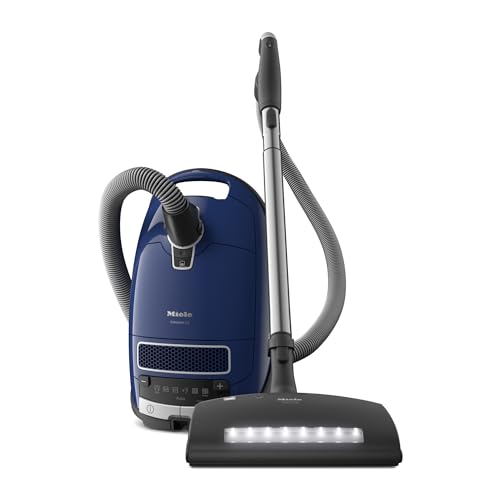
POWERFUL AND QUIET: Bagged canister vacuum optimal for all flooring types with an Electrobrush with LED headlight for carpets and Parquet floorhead for smooth flooring
Essential Features of Quiet Vacuums
Selecting a quiet vacuum involves understanding specific features that contribute to reduced noise levels while maintaining effective cleaning performance. Quiet vacuums typically operate at sound levels between 60 to 70 decibels, ensuring minimal disturbance. Many models include a “quiet mode” or low-noise motors, which greatly lower operational sound during use. In addition, advanced technology often incorporates noise-canceling materials that additionally diminish noise output. The high-efficiency particulate air (HEPA) filters in these vacuums not only capture allergens but also reduce internal agitation, contributing to quieter operation. Moreover, lightweight and cordless designs enhance maneuverability, allowing users to clean without creating excessive noise from dragging or bumping, thereby promoting a more peaceful environment in shared spaces. Additionally, self-emptying bases significantly reduce user maintenance, allowing dirt to be stored for up to 60 to 75 days, which is ideal for busy lifestyles.
Recommended Products

Industrial strength HEPA vacuum for residential use.

Bundle Includes: Genuine Miele TU Hyclean Performance Pack with 16 TU HyClean vacuum bags and 1 Miele HEPA AirClean Filter
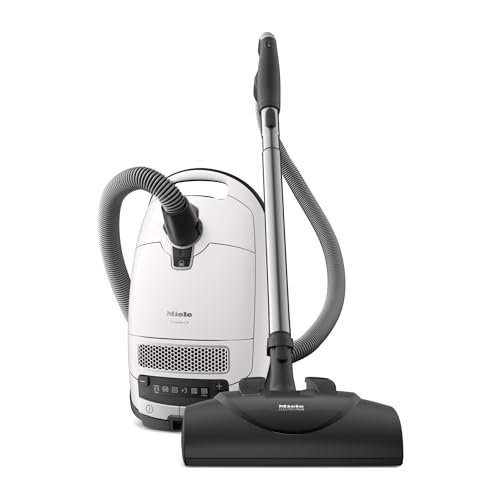
Powerful cleaning: Bagged canister vacuum designed for pet owners with an electrobrush floorhead featuring 5 carpet settings for all carpet types and parquet twister floorhead for smooth floors
Practical Tips for Effective Night Vacuuming
When aiming to vacuum at night without causing disturbance, choosing the right equipment and employing effective strategies is essential. Utilizing a vacuum with a quiet mode operating around 60 to 70 decibels can notably help minimize noise. Additionally, closing doors and windows while vacuuming contains sound, preventing noise from reaching neighbors. It is prudent to prioritize vacuuming rugs and carpets, as they absorb sound better than hard surfaces. Avoiding vacuuming close to shared walls or bedrooms during quiet hours is also critical to prevent noise disruption. Finally, performing a preliminary sweep of larger debris helps reduce the overall noise level generated by the vacuum cleaner, making night cleaning more unobtrusive for all residents in the space. Consider using vacuums with HEPA filters that trap 99.9% of allergens, enhancing air quality while maintaining a quieter environment.
Soundproofing Techniques for Apartments
Many residents in apartments seek effective soundproofing techniques to minimize disturbances from activities like vacuuming. Utilizing heavy curtains and layered window treatments can greatly reduce sound transmission from outside, helping to create a quieter environment. Rearranging furniture, such as positioning bookshelves against shared walls, can absorb sound waves, addressing common noise issues. Adding thick rugs or wall-to-wall carpeting enhances comfort while muffling the sound of vacuuming. Additionally, sealing gaps around doors and windows with weatherstripping or acoustic caulk is an efficient method to block noise leakage. Hanging sound-absorbing panels or decorative artwork on walls further improves sound control within apartments, markedly lessening disturbances during cleaning sessions. Vacuums operating around 60 dB can offer a quieter cleaning experience, which is beneficial in maintaining a peaceful environment in shared living spaces. Overall, employing these soundproofing materials can lead to a more peaceful living space.
Recommended Products

SPECS - Length: 96" | Width: 80" | Material: Cotton and Polyester with Zig-Zag Stitching | Weight: 12 lbs each | Blanket and Thread Color: Black | Use: Sound Absorption, NOT Sound Blocking or Sound Proofing | NRC Rating: 0.35 | Quantity: (60) Sound Blankets

Acoustic Room Treatment Kit with 12 Control Columns

Transform your space with this versatile panel room divider, perfect for both home and office use as a stylish and functional room separator. The soundproof dividers provide exceptional noise reduction, making them ideal home office partitions for creating private workspaces without the need for permanent walls.
Utilizing Noise-Canceling Solutions
In the domain of household cleaning, utilizing noise-canceling solutions serves as an effective strategy to minimize the disruptive sounds of vacuuming. Noise-canceling headphones can considerably diminish the perception of vacuum noise, enabling easier concentration during cleaning sessions. Earplugs provide a simple and low-cost option for those particularly sensitive to sound, especially light sleepers or during nighttime hours. Additionally, white noise machines can effectively mask vacuuming sounds, promoting a calmer atmosphere and potentially reducing complaints from neighbors. Installing acoustic panels and soundproofing materials in shared areas can further reduce disturbances. Finally, incorporating sound-absorbing rugs and heavy curtains enhances noise cancellation by dampening sound waves created while vacuuming, thereby fostering a quieter cleaning experience overall. For those seeking quieter cleaning devices, consider vacuums with noise-reducing engineering like insulated motor compartments to further minimize disruptions.
Recommended Products

Audiophile-Grade Listening, Bluetooth Convenience: Immerse yourself in the legendary sound quality of Technics and enjoy wireless freedom with these over-ear headphones.Specific uses for product : Home,Travel,Sports and Exercise

【Quad-Speaker HiFi Sound – Premium 4-Driver Over-Ear Headphones】 Industry-first dual-coaxial drivers (40mm + 20mm) with microcrystalline diaphragms deliver rich bass, detailed mids, and crystal-clear highs. Designed for audiophiles, gamers, and movie lovers who demand immersive sound.

【3-in-1 Leaf Blower, leaf mulcher and leaf vacuum】This leaf collector the functions of blowing, vacuuming and mulcher to shred leaves and collect debris. This leaf vacuum cordless with bag delivers up to 450 CFM of air flow and 200 MPH of air velocity. This cordless leaf vacuum with 45-liter collection bag makes it easy to vacuum and collect fallen leaves for a cleaner, tidier lawn.
Communicating With Neighbors About Noise
Effective communication with neighbors about noise concerns plays an essential role in maintaining a harmonious living environment, particularly in shared spaces. Neighbors can help each other by discussing issues related to noise levels directly and respectfully. Using “I” statements can convey personal impacts while suggesting practical solutions, such as vacuuming during designated quiet hours or utilizing vacuums with a quiet mode. Keeping a record of conversations can aid in tracking communication and understanding any agreed-upon actions. Additionally, fostering open dialogue encourages mutual cooperation regarding individual schedules. If persistent noise issues arise, it may be necessary to refer to lease guidelines on noise restrictions and escalate the matter to property management, ensuring a balanced approach to maintaining peace among residents. For a quieter cleaning experience, consider using lightweight vacuums like the EUREKA PowerSpeed which tend to operate quieter, enhancing usability in noise-sensitive environments.
Maintaining Your Vacuum for Optimal Performance
Maintaining a vacuum is vital for ensuring ideal performance and longevity. Regular maintenance, such as cleaning the dustbin and filters, helps sustain the vacuum’s suction power, contributing to quieter operation and enhancing noise control. Inspecting and cleaning the brush rolls and suction heads for debris is essential since blockages can increase noise levels due to motor strain. All washable parts should be rinsed and thoroughly dried to avoid malfunctions, which can disrupt maintaining a peaceful environment. Following the manufacturer’s guidelines for maintenance frequency can improve noise levels while ensuring efficient performance. Properly storing the vacuum prevents damage to components, which might lead to louder operation over time, consequently supporting an overall better quality of life in shared spaces. HEPA filters capture 99.97% of allergens and particles, further enhancing vacuum efficiency and contributing to a quieter operation.
Exploring Alternative Cleaning Methods
While traditional vacuuming effectively removes dirt, alternative cleaning methods offer quieter solutions that maintain cleanliness without disruptive noise. Using a broom or dustpan generates minimal noise levels while efficiently removing debris. For those preferring vacuuming, a handheld or cordless vacuum designed for quiet operation, typically ranging from 60 to 70 decibels, provides a more serene cleaning experience. Microfiber cloths are useful for dusting surfaces, capturing particles without the sounds associated with standard vacuums. Additionally, spot cleaning combined with a damp mop can maintain floors without the need for loud vacuum sessions. Scheduling these cleaning tasks during the day, between 7 am and 10 pm, guarantees minimal disturbance to neighbors, promoting a more peaceful living environment while keeping spaces tidy.
Frequently Asked Questions
Can I Put Anything on an Apartment Floor to Reduce Sound Floor?
Soundproof mats, various carpet types, and strategic furniture placement can greatly reduce floor noise. Additionally, integrating acoustic panels into the space enhances sound insulation, promoting a quieter environment conducive to comfortable living.
How to Muffle Vacuum Noise?
To muffle vacuum noise, one could use vacuum dampening pads, install soundproofing curtains, add a carpet overlayer, or opt for quieter vacuum models. These methods effectively minimize sound transmission and create a more peaceful environment.
Is There Anyway to Reduce Noise From Upstairs Neighbors?
According to studies, 30% of apartment dwellers experience significant noise issues. Implementing soundproofing materials, utilizing effective noise reduction techniques, and understanding tenant rights can empower residents seeking improved apartment insulation tips for quieter living conditions.
Can My Neighbors Hear Me Vacuum Reddit?
Yes, neighbors can hear vacuuming, especially in shared spaces. Utilizing vacuum-friendly models, implementing noise reduction tips, practicing shared space etiquette, and exploring soundproofing methods can help minimize disturbances during cleaning routines.
Conclusion
In summary, maintaining a peaceful living environment while vacuuming in shared spaces is essential. By selecting quieter models and employing noise-reducing strategies, residents can resemble thoughtful neighbors of a bygone era, adeptly managing their surroundings. Understanding ideal vacuuming times and utilizing proper techniques will enhance cleaning efficiency while minimizing disturbances. Emphasizing communication and maintenance can further improve this balance, ultimately leading to greater harmony in shared living situations without dismissing the practical need for cleanliness.


