As an Amazon Associate, we earn from qualifying purchases. Some links on this site are affiliate links at no extra cost to you. Our recommendations are based on thorough research and editorial judgment.


When a Wet-Dry Vacuum Makes Sense Vs a Standard Dry Vacuum

A wet-dry vacuum is ideal for users who regularly deal with both liquid spills and solid debris. This multifunctional tool offers versatile cleaning across various surfaces, handling tasks standard dry vacuums cannot. With strong suction power and larger tank capacities, wet-dry vacuums minimize emptying frequency, while also featuring specialized filtration systems to reduce dust release. In contrast, standard dry vacuums are best for routine cleaning of dry materials. Discover further insights on choosing the right vacuum for specific needs.
Key Takeaways
- Wet-dry vacuums are ideal for spaces prone to spills and messes, offering versatility for both liquid and solid debris.
- Standard dry vacuums excel in routine cleaning of dry materials, making them suitable for everyday use in homes and offices.
- Users with diverse cleaning needs, such as pet owners, can benefit from the multifunctionality of wet-dry vacuums.
- Wet-dry vacuums feature larger storage capacities, reducing the frequency of tank emptying during extensive cleaning sessions.
- Consider a standard dry vacuum for lightweight tasks; opt for a wet-dry vacuum when tackling challenging or varied cleaning situations.
Understanding Regular Vacuum Cleaners
Regular vacuum cleaners serve as essential tools for maintaining cleanliness in residential and commercial spaces. They primarily utilize suction mechanisms to effectively remove dry debris, such as dirt, dust, and allergens. Equipped with HEPA filters, regular vacuums capture fine particles, contributing to improved indoor air quality during cleaning tasks. Their design often allows for versatile cleaning on various surfaces, including carpets, hardwood floors, and upholstery. Additionally, regular vacuums are typically lightweight, making them easy to maneuver and ideal for everyday cleaning. Vacuum cleaners with UV-C light capabilities and HEPA filters capture up to 99.97% of particles, further enhancing allergen control. While they excel at addressing dry messes, it is important to note that these vacuums are not suitable for wet incidents, such as spills or leaks, limiting their functionality in certain situations.
Key Features of Regular Vacuums

Vacuum cleaners are designed to tackle the everyday challenges of household upkeep, presenting users with several key features that enhance their performance and usability. Equipped with strong suction, these machines efficiently remove dirt, dust, and debris from various surfaces, including carpets and hard floors. Regular vacuums commonly feature HEPA filtration systems that capture fine dust and allergens, promoting improved air quality throughout the cleaning routine. Their lightweight design allows for easy maneuverability, making them suitable for routine cleaning tasks without fatigue. Additionally, regular vacuums often come with various attachments, enhancing their versatility and effectiveness for different cleaning needs. These budget-friendly options provide superior performance, making them an excellent choice for managing everyday cleaning demands. A key consideration when selecting a vacuum is the suction power efficiency which determines its ability to capture dirt effectively, especially when dealing with different surface types.
Overview of Wet and Dry Vacuum Cleaners
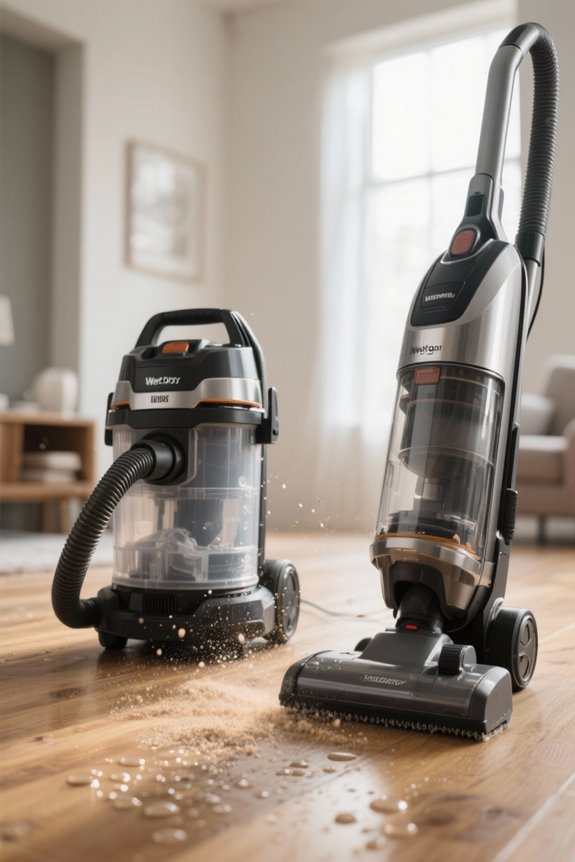
Wet and dry vacuum cleaners, known for their dual capabilities, effectively tackle liquid spills alongside solid debris, making them versatile choices for a range of cleaning tasks. These Wet and Dry Vacuums are designed to handle both solids and liquids efficiently, utilizing a two-chamber system that prevents clogging. In addition, they often feature specialized filters, which help minimize dust release into the air, ensuring better indoor air quality. With a large capacity, these vacuums require less frequent emptying during extensive cleaning, an essential benefit for intensive projects. Their robust design and dual functionality allow for use in diverse settings, such as homes, workshops, and commercial environments, establishing them as practical tools for various cleaning needs. Additionally, wet-dry vacuums like the Stanley SL18116P offer 3-in-1 functionality, making them even more adaptable for different tasks.
Recommended Products

Keeps food fresh up to five times longer

DREAME's Thinnest Robot Vacuum at 3.13in (7.95cm): At just 3.13in (7.95cm) slim, X60 Max Ultra Complete redefines what a robot vacuum can reach. It glides under sofas and beds with ease, reaching hidden dust in low spaces where traditional cleaners get stuck.

EASY-TO-USE CONTROL PANEL AND PRESSURE INDICATOR: Perfect vacuum and seal with minimal effort using one-touch controls on this vacuum sealer machine. The intuitive control panel and pressure indicator ensure consistent results. For a quick seal, simply press the stop button to seal the bag and automatically open the chamber.
Advantages of Wet and Dry Vacuums
When considering cleaning tools, the advantages of wet and dry vacuums become evident through their multifunctional design. These vacuums can effectively clean wet and dry messes, efficiently handling both spills and large debris. Their large storage tanks eliminate the need for constant emptying, allowing for extended cleaning sessions without interruptions. Advanced models often feature specialized filters that notably reduce dust release, promoting improved indoor air quality during cleaning. In addition, wet and dry vacuums are ideal for cleaning hard-to-reach corners and edges, which mops may miss, thanks to their robust suction capabilities. The ability to scrub and collect dirt simultaneously enhances strong cleaning efficiency, ultimately saving time, making them suitable for busy households and commercial environments alike. Cordless options offer flexibility and convenience for users who require mobility during cleaning sessions, making them a practical choice for diverse cleaning needs.
Recommended Products

Heavy-Duty 2400W Performance (20A / 120V) – A powerful 3.26 HP motor delivers up to 222 CFM and 19 kPa/76" water lift of suction, giving you the airflow you need for jobsite cleanup, garages, shops, and commercial environments. 80dB

Easy twist access port quick removal, won-foot freeze in place

Disadvantages of Wet and Dry Vacuums
While wet and dry vacuums offer numerous benefits, they also present several disadvantages that consumers should consider. These vacuums tend to be bulkier and heavier than standard dry vacuums, complicating maneuverability, especially when full. Additionally, noise levels, although often improved, can still be disruptive in quieter settings during high suction operations. Regular maintenance is essential; users must routinely empty tanks and clean filters to prevent odors and maintain peak performance. Moreover, certain cordless models may experience limited battery life, reducing their effectiveness during larger cleanups. If not properly cleaned after use, these vacuums can become breeding grounds for bacteria, leading to unpleasant odors that may linger and affect indoor air quality. Some vacuums, like the Vacmaster Professional, offer a higher peak HP, which aids in more robust performance during flood cleanup tasks.
Functionality and Use Cases
Often utilized for a variety of cleaning tasks, functionality and use cases for wet-dry vacuums and standard dry vacuums differ greatly. A wet and dry vacuum excels at handling both wet spills and solid debris, making it ideal for emergency cleanups, such as floods or leaks. Its larger clean water tank allows longer cleaning sessions without frequent emptying. Conversely, a dry vacuum cleaner is specifically designed for collecting dry materials, such as dust and dirt, from carpets and hard floors. While a wet-dry vacuum offers dual functionality, a standard dry vacuum typically provides greater maneuverability for everyday cleaning tasks. These distinctions highlight their unique roles in various cleaning environments, further emphasizing their individual benefits for specific situations. Moreover, wet-dry vacuums like the STANLEY 4 Gallon model boast a powerful 4 peak horsepower motor, making them highly efficient for both water and debris cleanup tasks.
Cleaning Power Comparison
Evaluating cleaning power between wet-dry vacuums and standard dry vacuums reveals distinct strengths and applications in various situations. Wet vacuum cleaners are designed to tackle wet and dry messes, efficiently managing liquid spills alongside solid debris. Their versatility allows for thorough cleaning tasks that standard dry vacuums cannot handle, as the latter only remove dry materials like dust. Wet-dry vacuums often have larger tank capacities, enabling longer cleaning sessions with fewer interruptions for emptying. Although suction power can vary among models, many high-quality wet-dry vacuums display robust cleaning power that competes with standard dry vacuums, making them a reliable option for users requiring effective management of both dust and liquid spills in diverse environments. High filtration efficiency is achieved with multi-layered foam filters, improving air quality and debris capture.
Recommended Products

INNOVATIVE - Wet and dry vacuum includes a front mount squeegee for easy water removal and floor stripping applications; the tip-and-pour drain port allows for quick draining

All-in-One Station for Hands-Free Cleaning: X10 Pro Omni's mop pads are washed using clean water, then dried with 45°C (113°F) heated air. Its dust bin is emptied into the station's 2.5L dust bag, which only needs to be replaced every 2 months. The 3L clean water tank provides enough water to mop a 1,500-2,000 sq ft (150 sq m) home 2-3 times.

This wet/dry vacuum has an 10 gallon stainless steel tank, and the maneuverable full-circumference dolly, with its top and side-carry handles enhance its portability
Choosing the Right Vacuum for Your Needs
Choosing the Right Vacuum for Your Needs
Determining the right vacuum for a specific cleaning task involves understanding various factors, including the types of messes encountered, the surfaces being cleaned, and the user’s preferences. Wet-dry vacs are ideal for users dealing with a combination of liquid and dry materials, making them versatile for homes, workshops, and industrial settings. They can clean spills effectively, handling dirty water in a dedicated tank. In contrast, dry vacuum cleaners specialize in collecting dust, dirt, and hair from carpets and hard floors, making them suitable for routine tasks. Users with diverse cleaning needs may find wet-dry vacs more cost-effective, as they can replace multiple specialized vacuums. For optimal performance, choose a vacuum with 99% filtration efficiency to ensure effective capture of fine particles, especially when dealing with dust from drywall projects. Careful consideration of personal cleaning requirements will guide an informed choice.
Recommended Products

Cyclonic action separates the heavy dust particles from the fine particles and drops them into the 55-gallon steel drum

Pleated fiber air filter is 99% effective with filtering fumes, oil mist, and water vapor based on 8- to 10-micron particles

Powerful Makita-built motor delivers 127 cfm and 96" Water Lift of suction using corded power
Top Recommendations for Wet and Dry Vacuums
When evaluating options for wet and dry vacuums, several top recommendations stand out based on performance and user satisfaction. The Dreame H15 Pro Heat Wet and Dry Vacuum features a powerful 22,000Pa suction, advanced ThermoRinse™ technology, and an AI Drying system, providing effective cleaning of wet messes and solid waste for up to 72 minutes. For smaller spaces, the Dreame H14 Wet and Dry Vacuum offers a compact size and a 180° lie-flat design, ideal for maneuvering around tight areas. Pet owners may find the Dreame H14 Pro particularly useful, as it includes a self-cleaning brush specifically designed to tackle pet hair. In addition, larger shop vacs from Ridgid and DeWalt provide efficient dirt, dust, and small particles collection with robust Filtration Systems. For those seeking a vacuum that excels in both wet and dry cleaning, the Fein Turbo I is a standout option with its 151 CFM suction power and ultra-quiet operation at 66 dB.
Recommended Products

1.HIGH SUCTION AND LOW NOISE:The 1000-watt twin fan motor is our most durable motor with an extended lifetime and lower operating noise than standard single fan systems.

Our largest Dust Collector features a whopping 4029 CFM capacity and can handle any large duct system with a static pressure loss less than 16

Effortless & Efficient Sweeping: This battery-powered sweeper dramatically reduces operator fatigue and increases productivity, with a battery-operated main broom, side brushes, and dust fan
Frequently Asked Questions
Is a Wet Vac Better Than a Regular Vacuum?
A wet vac offers superior versatility benefits for spill management and wet cleaning, while delivering strong suction power and larger tank capacity. However, a regular vacuum excels in dust extraction for routine cleaning across various flooring types.
Can a Wet-Dry Vacuum Be Used as a Regular Vacuum?
A wet-dry vacuum can indeed function as a regular vacuum, showcasing versatility. However, it may face limitations regarding portability and noise levels compared to regular vacuums, affecting cleaning efficiency when managing spills and messes.
What Are the Disadvantages of Wet-Dry Vacuum Cleaner?
Maintenance challenges, price comparisons, and weight differences often deter users from wet-dry vacuums. Their noise levels, filtration systems, cleaning complexity, storage requirements, versatility issues, and durability concerns further complicate their appeal in household settings.
What Is the Difference Between a Wet Dry Vac and a Shop Vac?
The wet-dry vac excels in versatility, handling both liquid debris and dry materials, while the shop vac focuses on heavy-duty dry applications with superior suction power. Design differences include filtration systems impacting overall cleaning efficiency and application range.
Conclusion
In conclusion, selecting the appropriate vacuum cleaner involves considering specific cleaning tasks, environmental conditions, and user preferences. While standard vacuums excel in dry debris removal, wet-dry vacuums offer versatility for tackling both liquid spills and solid debris. Understanding the strengths and limitations of each type facilitates a more informed choice, leading to enhanced cleaning efficiency and satisfaction. Ultimately, the decision rests on the unique demands of each cleaning scenario, ensuring peak performance and satisfaction with the selected tool.


