As an Amazon Associate, we earn from qualifying purchases. Some links on this site are affiliate links at no extra cost to you. Our recommendations are based on thorough research and editorial judgment.


Handheld Vs Regular Vacuum: What’s the Difference and When to Use Each?

Handheld vacuums are compact and lightweight, making them ideal for quick cleanups in tight spaces. They typically offer 20-30 minutes of battery life and less suction power than regular vacuums, which limits their effectiveness for deep cleaning. Regular vacuums provide higher suction capabilities, with ratings ranging from 250 to 400 AW, suitable for larger areas and extensive dirt removal. Understanding the differences between these models, including their features and intended uses, can guide users to the best choice for their needs.
Key Takeaways
- Handheld vacuums are lightweight and portable, ideal for quick cleanups of small messes in tight spaces.
- Regular vacuums offer more powerful suction, making them suitable for deep cleaning larger areas and tough debris.
- Handheld models typically have a battery life of 20-30 minutes, limiting their use for extensive cleaning tasks.
- Regular vacuums come with larger dust bins, allowing for uninterrupted cleaning sessions without frequent emptying.
- Choose handheld vacuums for quick touch-ups and regular vacuums for extensive dirt accumulation and thorough cleaning needs.
Understanding Handheld Vacuums
Handheld vacuums are compact and lightweight, making them ideal for quick cleanups of small messes like cereal spills or pet hair. They can efficiently clean hardwood floors, carpets, and upholstery with ease. These devices typically operate with rechargeable battery power, offering a runtime of 20 to 30 minutes per charge. While they excel in convenience, they generally have less suction power compared to traditional vacuums, which limits their effectiveness during deep cleaning tasks. Many handheld models come with various attachments and accessories to enhance their use, allowing users to clean hard-to-reach areas like crevices and stairs, thereby increasing their versatility for everyday cleaning chores. Cyclonic suction technology enhances cleaning efficiency by providing strong suction capabilities essential for effective pet hair removal.
Exploring Regular Vacuums
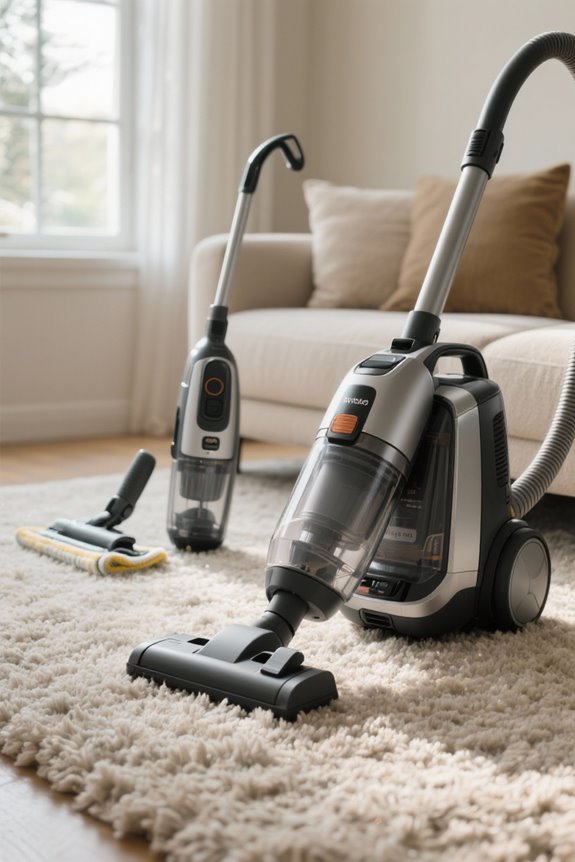
Regular vacuums serve a broader range of cleaning needs compared to handheld models, catering to the demands of more extensive and deeper cleaning tasks. Common types include upright vacuums, canister models, and cordless stick vacuums, each tailored for specific uses. Upright vacuums feature robust suction and are particularly effective for deep cleaning carpets and larger areas, thanks to their high dust capacity and powerful motors. Canister vacuums provide versatility, allowing users to maneuver easily across different surfaces, including stairs and upholstery. Cordless stick vacuums, meanwhile, excel in quick clean-ups. Many regular vacuums come with HEPA filtration systems, which are beneficial for allergy sufferers, as they efficiently trap small particles and enhance indoor air quality through improved filtration. Cordless models provide added convenience with runtimes ranging from 30 to 50 minutes, making them ideal for quick and efficient cleaning tasks.
Advantages of Handheld Vacuums
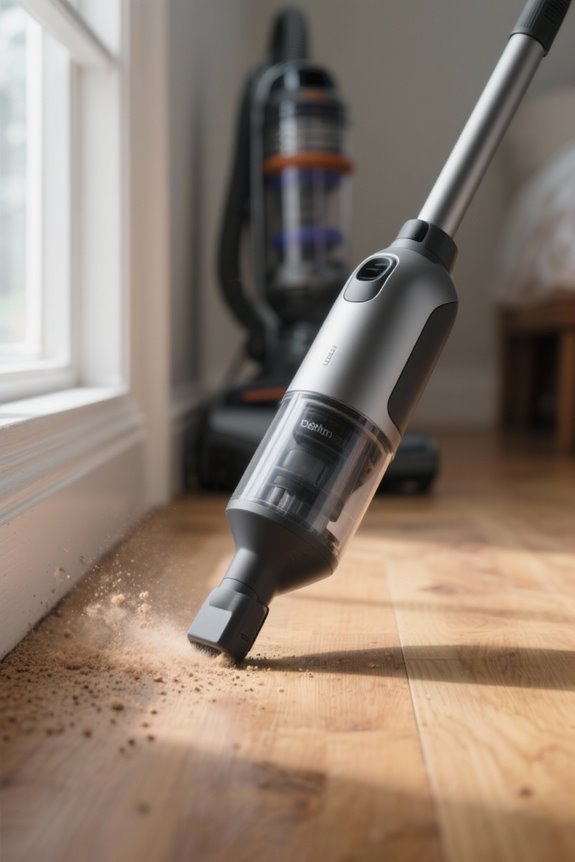
While many cleaning tasks require robust equipment, the advantages of handheld vacuums become clear in scenarios demanding quick and efficient solutions. These lightweight and portable vacuum cleaners excel in maneuverability, easily reaching tight spaces and hard-to-access areas. Often designed as cordless vacuums, they eliminate the hassle of tangled cords and searching for power sources, enhancing user convenience. Equipped with multiple attachments, handheld vacuums effectively manage small messes across various surfaces, including floors, carpets, and upholstery. Their battery life typically allows for 20 to 30 minutes of uninterrupted cleaning, making them suitable for quick touch-ups rather than extensive sessions. Additionally, their compact size enables convenient storage, ensuring they are readily accessible whenever immediate cleanup is required. In addition, handheld vacuums often come with HEPA filtration systems, which are effective at reducing allergens and improving air quality during cleaning.
Disadvantages of Handheld Vacuums
Although handheld vacuums offer convenience, they have notable disadvantages that can limit their effectiveness in various cleaning scenarios. These devices typically feature a limited battery life of about 20-30 minutes, which hinders users during extensive cleaning tasks. Additionally, handheld vacuums generally possess less suction power than regular models, making them less effective at deeply cleaning carpets and upholstery. They struggle to pick up larger debris or deeply embedded dirt, ultimately limiting their usefulness for larger messes. As a result, handheld vacuums are best suited for small cleanups, often requiring frequent recharging to complete more thorough cleaning efforts. This makes them less convenient for users needing effective solutions for extensive dirt accumulation throughout larger spaces. For homes with pets, selecting a vacuum with features like self-cleaning brush rolls can greatly enhance cleaning efficiency by preventing hair wrap.
Advantages of Regular Vacuums
Numerous advantages distinguish regular vacuums from their handheld counterparts, particularly regarding performance and efficiency. Regular vacuums typically feature higher suction power, with motor outputs ranging from 250 to 400 AW, making them effective for deep cleaning carpets and larger spaces. They come equipped with larger dust bins or bags, allowing for prolonged cleaning sessions without frequent interruptions for emptying. Additionally, many models include versatile attachments that enhance their cleaning capabilities, effectively addressing stubborn dirt in crevices and upholstery. Equipped with cords, regular vacuums provide unlimited runtime, ensuring consistent performance for extensive cleaning tasks. Moreover, those models with HEPA filters are designed to trap allergens, improving indoor air quality—an important factor for allergy sufferers. HEPA filters capture 99.97% of particles as small as 0.3 micrometers, significantly reducing allergens in the home.
Recommended Products
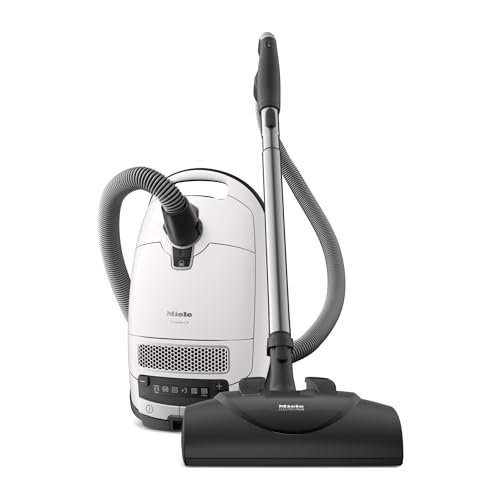
Powerful cleaning: Bagged canister vacuum designed for pet owners with an electrobrush floorhead featuring 5 carpet settings for all carpet types and parquet twister floorhead for smooth floors

Powerful Makita-built motor delivers 127 cfm and 96" Water Lift of suction using corded power

Innovative - Wet and dry vacuum includes a front mount squeegee for quick and convenient water removal and floor stripping applications
Disadvantages of Regular Vacuums
Regular vacuums, despite their advantages, present several disadvantages that can affect usability and convenience. These vacuums, particularly upright models, tend to be heavier and less maneuverable, which complicates cleaning tight spaces or shifting between floors. Their larger size also requires more storage, posing a challenge in smaller living areas like apartments. Corded models can generate noise levels between 75 and 85 decibels, potentially disturbing household members or neighbors. Maintenance demands are higher, as users must perform frequent emptying of larger dust bins and replace filters. Additionally, regular vacuums may not be ideal for quick cleanups or spot cleaning, as their setup time is generally more extensive compared to more portable, cordless alternatives.
Recommended Products

High-Speed Roller Brush: Ten times higher contact pressure than manual cleaning. The roller brush also cleans structured surfaces and joints and assists forward movement for easy cleaning.

Fast and Vast: Is a small machine forcing your team to work twice as long on large floors? This heavy duty vacuum cleaner, assembled in the USA, clears a 30-inch path to finish 29,000 square feet an hour so you can get the job done faster
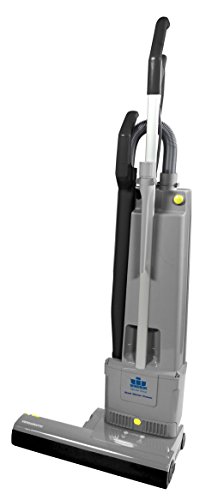
Windsor Versamatic 18 dual motor vacuum for commercial cleaning
Choosing the Right Vacuum for Your Needs
When selecting a vacuum, understanding the appropriate type for specific cleaning needs proves essential for maintaining a tidy home. Handheld vacuums excel in compactness and maneuverability, making them suitable for quick touch-ups, particularly around furniture. In contrast, regular vacuums provide more powerful suction settings, ideal for larger areas and tougher debris, including pet hair and deep carpets. Regular vacuums generally have larger dust bins, allowing for longer cleaning sessions without interruptions. When making an informed decision, homeowners should consider battery life as well; handheld models usually last 20-30 minutes, while regular cordless vacuums can exceed an hour. Thus, evaluating the cleaning area and intended use will help identify the most effective vacuum type for each unique situation. Additionally, considering advanced mapping technology in robot vacuums can enhance cleaning efficiency by providing efficient paths and customized cleaning based on home layout.
Recommended Products
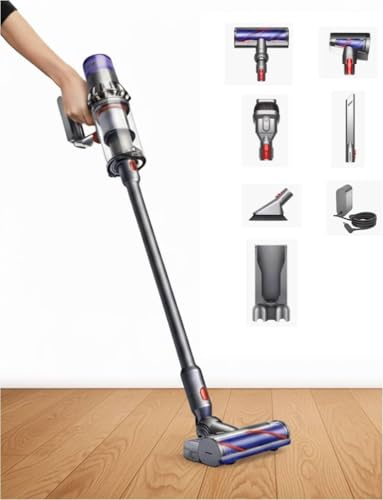
Dyson's most intelligent, powerful cordless vacuum. Twice the suction of any cordless vacuum.
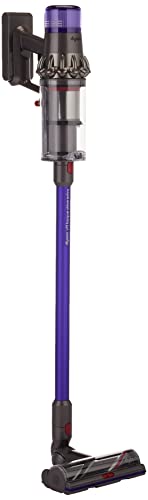
International products have separate terms, are sold from abroad and may differ from local products, including fit, age ratings, and language of product, labeling or instructions

Engineered for whole-home, deep cleaning homes with pets
Frequently Asked Questions
Is a Handheld Vacuum Better Than a Regular Vacuum?
A handheld vacuum may offer greater portability advantages and user convenience for quick cleanups, but it typically falls short in cleaning efficiency and suction power compared to regular vacuums, especially regarding battery life and deeper cleaning tasks.
What to Use a Handheld Vacuum For?
A handheld vacuum is ideal for quick cleanups of pet hair and debris in car interiors and tight spaces. Its portability and simple storage make it a convenient tool for maintaining cleanliness in small areas.
Is It Worth Buying a Handheld Vacuum Cleaner?
Purchasing a handheld vacuum can be worthwhile, providing portability benefits, decent cleaning efficiency for small tasks, and comparatively lower price factors. However, durability comparison and usage frequency should dictate its overall value for individual users.
Is a Cordless Vacuum Better Than a Regular Vacuum?
Determining if a cordless vacuum is better depends on user needs. Its cordless convenience and portability advantages suit quick tasks, yet battery life may limit extensive cleaning. Regular vacuums often outperform in suction power and require different maintenance.
Conclusion
To conclude, both handheld and regular vacuums serve distinct purposes, catering to varied cleaning needs. Handheld vacuums excel in small, quick tasks, while regular vacuums provide thorough cleaning for larger areas. Fascinatingly, studies show that over 60% of households own at least one type of vacuum, highlighting their importance in maintaining cleanliness. Understanding the differences and functionalities of each vacuum type helps consumers make informed choices, ensuring they select the most effective option for their specific situations.


