As an Amazon Associate, we earn from qualifying purchases. Some links on this site are affiliate links at no extra cost to you. Our recommendations are based on thorough research and editorial judgment.


Can You Use Homemade Cleaning Solutions in Vacuum + Mop Tanks?

Using homemade cleaning solutions in vacuum and mop tanks can pose several risks. These include damage to internal components, corrosion of rubber seals, and the potential to void warranties. Additionally, DIY mixtures can leave residues that clog systems, reduce efficiency, and cause sensor errors. Manufacturer-recommended products are designed for compatibility and ideal performance, ensuring safe use and maintaining warranty protection. Understanding proper cleaning solutions is essential for robot mop maintenance and function, as further insights may prove beneficial.
Key Takeaways
- Using homemade cleaning solutions can corrode internal components and rubber seals in vacuum mops, risking costly repairs and warranty voiding.
- Manufacturer-recommended cleaning products are essential to ensure compatibility and protect the vacuum mop’s performance and longevity.
- Common household items, like vinegar, can damage filtration systems, making water the safest option for cleaning.
- Proper dilution ratios of cleaning solutions are vital to avoid sensor errors and sticky residues within the machine.
- Regular maintenance and rinsing with water after using any cleaning solution help prevent residue buildup and maintain optimal functionality.
The Risks of Using Homemade Cleaning Solutions
While many users may believe that homemade cleaning solutions are a cost-effective alternative, the risks associated with their use in vacuum and mop tanks are significant. Homemade cleaning solutions, particularly those containing vinegar or bleach, can corrode internal components and rubber seals of robot vacuums. This corrosion may lead to costly repairs and can void warranties. Moreover, many DIY mixtures leave residues that can clog internal systems, impacting performance and reducing cleaning efficiency. Additionally, undiluted or poorly mixed cleaners can cause excessive foaming, resulting in issues with water collection tanks and sensor malfunction. Consequently, relying on manufacturer-recommended cleaning solutions guarantees safe use and compatibility, while also preventing potential damaging effects and legal issues regarding warranty claims. Furthermore, using vacuums with high-quality filtration systems can help maintain indoor air quality and reduce allergens, which is crucial for efficient and safe cleaning.
Understanding Your Robot Mop’s Compatibility

Understanding a robot mop’s compatibility with cleaning solutions is vital for maintaining its performance and longevity. Many manufacturers recommend specific cleaning solutions to guarantee peak performance and prevent damage to internal components. Using an incorrect solution, especially harsh chemicals or DIY mixtures, can lead to corrosion and clogging, potentially voiding warranties. It is important for users to consult manufacturers’ guidelines to verify that compatible cleaning solutions are employed. Generally, pH-neutral, non-foaming options are advisable, as they reduce residue buildup, which can impede the robot mop’s cleaning performance. Adhering to these recommendations protects not only the robot mop but also enhances its efficiency over time, making the selection of the right cleaning solution a key factor in maintenance. The HEPA filtration systems in certain vacuum models play a crucial role in capturing allergens and improving indoor air quality, which is particularly beneficial for allergy sufferers.
Exploring Effective Cleaning Solutions for Robot Mops

Many users seek effective cleaning solutions for robot mops that can enhance cleaning efficiency while guaranteeing compatibility with the device. Manufacturer-recommended cleaning products are designed to optimize performance without risking corrosion or harmful buildup. In contrast, homemade cleaning solutions can potentially damage components, impacting the robot mop’s functionality. For instance, common household items like vinegar may disrupt the filtration system and create excessive foam. Using water alone is another safe option that minimizes risks. Additionally, adhering to proper dilution ratios for any cleaning solution is vital to prevent sensor errors and sticky residues. Cordless car vacuums often feature high-efficiency filtration systems, capturing up to 99.9% of dust and allergens, which is a consideration for maintaining air quality. Consult manufacturer guidelines regarding compatible cleaning solutions to maintain warranty protection and uphold overall performance while safeguarding the longevity of the robot mop.
Recommended Products
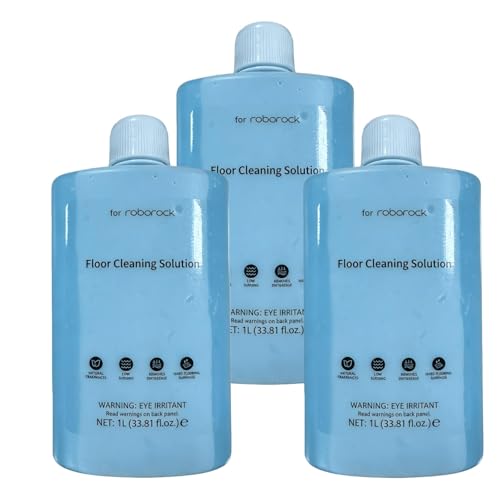
Fórmula compatible: solución limpiadora diseñada específicamente para robots aspiradores y fregonas, compatible con los robots Saros 10/10R/Z70, series Q5/Q7/Q8/Q10, S7/S8, Qrevo, QV, así como con los aspiradores en seco y húmedo F25/F25 Combo, Dyad y Flexi.

Multi-Purpose Floor Cleaner, 200ml per bottle, Multi model compatibility

EFFECTIVE & POWERFUL: Our Mandarin & Peppermint Floor Cleaner combines nature’s most aromatic ingredients in one powerful formula, effortlessly cutting through grime.
Benefits of Manufacturer-Recommended Solutions
Manufacturer-recommended cleaning solutions provide essential benefits that enhance the performance and longevity of robot mops and vacuums. These solutions are specifically formulated to avoid damage to the internal components, ensuring ideal performance throughout use. By using the correct products, owners can avoid complications such as clogging, corrosion, or even voided warranties that may arise from using unapproved alternatives. Furthermore, these official cleaning products often include surfactants and enzymes that improve cleaning effectiveness, effectively targeting specific stains that generic options may fail to address. Compatibility with various floor types is guaranteed, maximizing cleaning results without risking damage to surfaces. Using manufacturer-recommended cleaning solutions ultimately helps maintain the reliability of the cleaning companion, favorably impacting its overall functionality. To ensure optimal suction power and cleaning efficiency, using the right cleaning solutions in vacuums is crucial.
Recommended Products

*No damage to the floor: Floor cleaner, can minimize damage to the floor.

SPECIALLY FORMULATED - Use with most mopping robots and upright mopping vacuum machines to boost cleaning performance.

Multi-Purpose Floor Cleaner, 1000ml (33.8 fl.oz) per bottle, suitable for long-term use
Safe Alternatives for Homemade Cleaning Solutions
Homemade cleaning solutions present potential risks when used in robot vacuums and mops, particularly due to certain ingredients that may harm internal components or void warranties. A safe alternative involves using a mixture of warm water and mild dish soap, which cleans effectively without clogging the cleaning tank or leaving harmful residues. While vinegar is popular in DIY cleaning, its acidity can corrode rubber seals and metal parts, risking device longevity. Alternatively, a diluted mixture of water and baking soda can tackle tough stains, but it requires careful maintenance to prevent buildup. Utilizing HEPA filters in vacuums can capture a high percentage of allergens, enhancing indoor air quality. Ultimately, utilizing plant-based, pH-neutral solutions guarantees compatibility and safety for both flooring types and the robot vacuum’s internal components, reducing chemical risks.
Recommended Products

High-Efficiency Cleaning: boasts a 34" brush cleaning path and 38.8" squeegee vacuuming width, ensuring comprehensive cleaning for large floor areas with a working efficiency of 75,000 sqft/h.

𝗛𝗜𝗚𝗛𝗟𝗬 𝗖𝗢𝗡𝗖𝗘𝗡𝗧𝗥𝗔𝗧𝗘𝗗 𝗙𝗢𝗥 𝗠𝗔𝗫𝗜𝗠𝗨𝗠 𝗩𝗔𝗟𝗨𝗘 - One 8 oz bottle of Citra Solv makes up to 11 gallons of all-purpose cleaner. Dilute in water for all your household cleaning, while leaving your home filled with the refreshing scent of oranges.
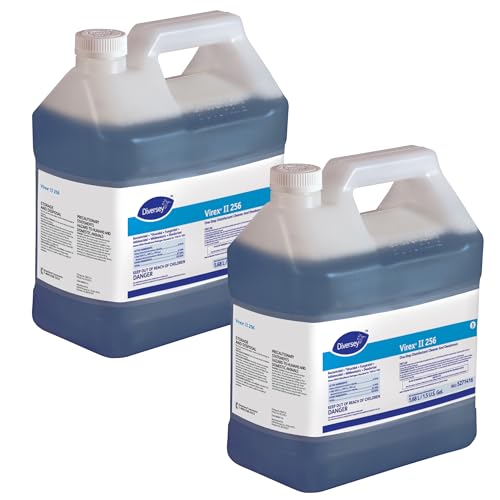
ONE-STEP DISINFECTANT CLEANER (EPA REGISTERED) - Concentrated disinfectant cleaner for routine cleaning and deodorizing of hard, non-porous surfaces; EPA Reg. No. 70627-24
Maintenance Tips for Optimal Performance
Effective maintenance of robot vacuums and mops is vital to guarantee peak performance and longevity. Users should prioritize manufacturer-recommended cleaning solutions to avoid warranty voiding and potential damage. Regular maintenance tasks include cleaning filters, brushes, and mop pads to prevent clogs, allowing for optimal cleaning effectiveness. Periodically inspecting the clean water tank and nozzles helps eliminate buildup, while maintaining the cleanliness of sensors and charging contacts supports reliable navigation. Many models, such as the Tineco iFLOOR 5 Breeze, feature a dual-tank system that keeps clean and dirty water separate, enhancing cleaning performance. It is essential to avoid homemade solutions that may contain harsh chemicals, as these can corrode and degrade internal components over time. By following these maintenance tips, users can assure their vacuum mop operates efficiently and achieves performance without damage, ultimately maximizing the product’s lifespan.
Recommended Products

DREAME's Thinnest Robot Vacuum at 3.13in (7.95cm): At just 3.13in (7.95cm) slim, X60 Max Ultra Complete redefines what a robot vacuum can reach. It glides under sofas and beds with ease, reaching hidden dust in low spaces where traditional cleaners get stuck.

35,000Pa Powerful Suction for Deep Cleaning: Powered by a high-performance motor, L60 Pro Ultra delivers up to 35,000Pa suction to lift dust, crumbs, and pet hair from hard floors and carpets for a deeper clean.

[Clean Everything, Effortlessly] The DEEBOT T30S COMBO COMPLETE includes a powerful robot vacuum for floors and a handheld vacuum and a stick vacuum for other surfaces and facades, all in one docking station. Enjoy a clean home from floor to furniture, effortlessly.
Choosing the Right Cleaning Solution for Your Flooring Type
Selecting the appropriate cleaning solution for various flooring types is essential to guarantee both the integrity of the surface and the finest functionality of cleaning devices. Manufacturer-recommended cleaning solutions confirm compatibility with flooring type, protecting vacuum/mop components from potential damage. For example, hardwood floors require pH-neutral solutions to prevent dulling the finish, while tile may utilize stronger degreasers for effective cleaning. While DIY cleaning solutions, such as vinegar or bleach, seem convenient, they can lead to warranty voids and may cause corrosion or residue accumulation within devices. As a result, opting for solutions tailored to specific flooring types, like the DEEBOT Cleaning Solution for multi-surface use, promotes ideal cleaning results while preserving the longevity of both the flooring and cleaning equipment. For efficient cleaning across different surfaces, ultra-light vacuums offer maneuverability and strong suction power, ensuring effective debris removal while being easy to handle.
Recommended Products
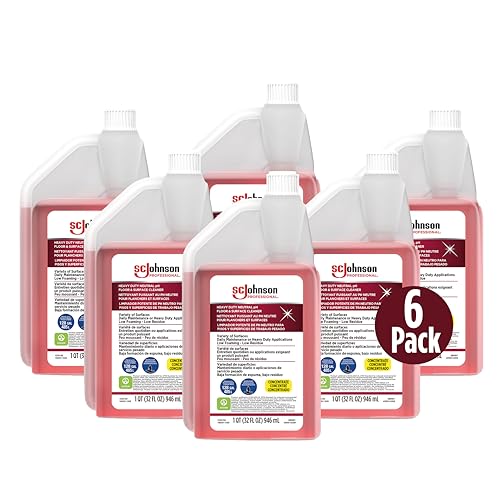
SC Johnson Professional Heavy Duty Neutral pH Floor and Surface Cleaner is ideal for the daily cleaning and maintenance of hard, non-porous surfaces and high-traffic flooring

Gentle, Effective Cleaning: Removes dirt, grime, and sticky residue without streaks or dulling your floor’s finish. Safe for everyday use on wood, laminate, and vinyl plank floors.

Sold as 1 Each.
Frequently Asked Questions
How Do You Make Homemade Vacuum Mop Solution?
To create a homemade vacuum mop solution, individuals can mix warm water with DIY cleaning recipes, including natural cleaning agents like mild soap or vinegar, ensuring ingredient safety checks and surface compatibility, while considering essential oil benefits for added fragrance.
Can I Use My Own Cleaning Solution in Shark Vacmop?
Using homemade solutions in a Shark vacuum raises concerns. While DIY cleaning might tempt many, it risks damaging mop tanks and compromising cleaning efficiency. Stick to safe ingredients for ideal stain removal and equipment care, following expert cleaning tips.
How Do You Make Homemade Floor Cleaner for Mop Buckets?
To make a homemade floor cleaner for mop buckets, combine DIY cleaning ingredients such as vinegar cleaning solutions, baking soda uses, and surface-specific cleaners, ensuring eco-friendly alternatives and cost-effective solutions without essential oil benefits to avoid residue.
Can I Put Cleaning Solution in My Robot Vacuum Mop?
Though utilizing homemade cleaning solutions in a robot vacuum mop might seem tempting, such actions often compromise robot vacuum safety, leading to cleaning performance issues and malfunction. Adhering to manufacturer-recommended solutions guarantees better compatibility and maintenance.
Conclusion
In summary, using homemade cleaning solutions in vacuum and mop tanks poses significant risks to device functionality. Just as using the wrong fuel can damage a car’s engine, inappropriate cleaning agents can harm robot mops, reducing their efficiency and lifespan. Manufacturer-recommended solutions guarantee peak performance and protect your investment. It is vital to choose the right cleaning products based on your flooring type while considering safe alternatives to homemade mixtures. Prioritize functionality for effective cleaning results.


