As an Amazon Associate, we earn from qualifying purchases. Some links on this site are affiliate links at no extra cost to you. Our recommendations are based on thorough research and editorial judgment.


The Correct Vacuuming Pattern for Maximum Dirt Pickup on Carpets

For maximum dirt pickup on carpets, utilizing structured vacuuming patterns, like the crisscross or M method, is essential. These techniques guarantee thorough coverage, allowing vacuums to dislodge embedded dirt efficiently. Overlapping vacuum passes by half the cleaning head and making two slow passes over high-traffic areas enhance dirt removal. Adjusting the vacuum height according to carpet type optimizes performance and reduces wear. Learning more techniques and tips will further improve vacuuming results and carpet longevity.
Key Takeaways
- Use a crisscross vacuuming pattern to ensure comprehensive coverage and dislodge embedded dirt effectively.
- Perform two slow passes in high-traffic areas to maximize dirt removal and enhance suction power.
- Adjust the vacuum height according to carpet type to reduce friction and maintain optimal dirt pickup.
- Vacuum diagonally from corners to access tight spaces and maximize surface area coverage.
- Regularly maintain your vacuum to ensure efficient performance and prevent loss of suction.
Understanding the Importance of Vacuuming Patterns
Understanding the importance of vacuuming patterns can greatly impact the cleanliness and longevity of carpets. Employing a structured vacuuming pattern, such as an M or crisscross method, guarantees extensive coverage of carpet fibers. This method effectively removes dirt and debris that might escape during straight line vacuuming. Vacuuming in multiple directions dislodges embedded dirt, allowing for enhanced suction power. Overlapping each pass by half the vacuum’s cleaning head prevents missed spots, guaranteeing a thorough cleaning. Focusing on high-traffic areas requires two passes in different directions to maximize dirt removal, as these regions accumulate more dust and allergens. Regularly using an effective vacuuming pattern not only cleans carpets more efficiently but also extends the lifespan of the carpet fibers by preventing detrimental dirt buildup. Additionally, using eco-friendly vacuums with energy-efficient motors can further enhance cleaning performance while being gentle on the environment.
Effective Techniques for Carpet Vacuuming

What techniques can enhance carpet vacuuming effectiveness? To achieve maximum dirt pickup, employing a crisscross vacuuming pattern proves beneficial, as it guarantees thorough coverage. Vacuuming diagonally from a corner allows access to tight spaces while covering more surface area. For deeper cleaning, two slow passes in high-traffic areas effectively remove embedded dirt and debris, preventing particles from being left behind. It is vital to adjust the vacuum height based on carpet type: a lower setting works for plush carpets, reducing friction, while a higher setting suits low-pile rugs, preserving suction efficiency. Additionally, using a pet hair tool or upholstery tool with specialized attachments enhances the vacuum’s ability to tackle stubborn debris, promoting a superior clean across hard floors and carpets alike. Powerful suction in models like PKUYIE and other featured models enhances cleaning effectiveness and convenience.
Adjusting Vacuum Height for Optimal Performance

Adjusting the vacuum height greatly influences its cleaning performance on various carpet types. Most vacuums feature adjustable height settings, which are essential for protecting carpet fibers while maximizing dirt pickup. When the vacuum is set too low, it can create excess friction, causing wear over time. Conversely, too high a setting may reduce suction effectiveness, leading to missed dirt and debris. It is advisable to align the vacuum handle with knee height for comfortable maneuverability and peak function. Additionally, individuals should regularly check and adjust the vacuum height when shifting between different carpet types and floor surfaces. This practice helps guarantee high-quality cleaning performance and prolongs the life of both the vacuum and the carpets. The Eureka PowerSpeed Lightweight Upright Vacuum Cleaner, for example, offers a 960-watt motor, ensuring consistent suction across multiple surfaces, making it a reliable option for diverse cleaning needs.
Maintaining Your Vacuum for Efficiency
Maintaining a vacuum is vital for ensuring its efficiency and extending its lifespan. Regularly emptying the vacuum bag or dust bin, ideally after each use, prevents loss of suction and guarantees ideal dirt collection. Cleaning or replacing the filters is recommended according to the manufacturer’s guidelines, usually every 1-3 months, as clogged filters greatly reduce airflow and suction power. Weekly inspections of the brush attachments for hair and debris build-up enhance the vacuum’s ability to agitate and lift dirt from carpet fibers. Additionally, blockages in the hoses should be checked monthly to preserve cleaning performance. Finally, inspecting the vacuum belt every few months and replacing it if worn is essential for maintaining effective suction and brush movement. When choosing a vacuum, consider those equipped with HEPA filters as they improve indoor air quality by trapping allergens and small particles.
The Benefits of a Regular Vacuuming Routine
A regular vacuuming routine plays a significant role in maintaining carpet quality and enhancing indoor air quality. By vacuuming weekly, or more frequently in high-traffic areas, individuals can prevent the buildup of dust and deeply embedded dirt, which improves overall health within the home. Regular vacuuming helps eliminate pet hair and dander, contributing to a reduction in allergy symptoms and creating a comfortable atmosphere. Utilizing a vacuum cleaner equipped with HEPA filters enhances this process by capturing fine particles more effectively. Lightweight vacuums can enhance portability and cleaning efficiency across various living spaces, facilitating diverse cleaning tasks. Additionally, consistent carpet maintenance extends the lifespan of fibers, reducing the need for costly cleaning services or repairs. Establishing a structured vacuuming schedule guarantees all areas receive adequate attention, promoting a well-maintained, inviting living environment.
Recommended Products

OPTIMIZED DESIGN FOR ENHANCED CLEANING: Ensures a thorough cleaning experience by targeting fine dust and particles with powerful suction and advanced filtration
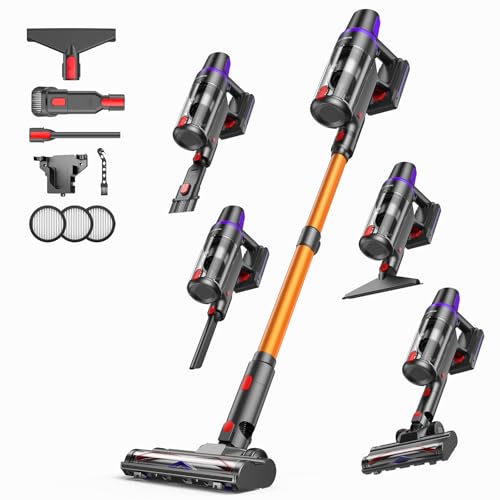
[3 Power Modes & 60-Min Runtime] This cordless handheld vacuum is equipped with a high-capacity battery that delivers up to 60 minutes of continuous cleaning in energy-saving mode. Choose from three power settings to adapt to different surfaces and tasks around your home. For added convenience, the battery can be removed for standalone charging, or you can use the included charging base for automatic power-ups and tidy storage

DuoClean PowerFins Technology: Two brushrolls—PowerFin and soft roller—provide nonstop contact on carpet and hard floors for deeper cleaning and more debris pickup in every pass (vs. original DuoClean).
Frequently Asked Questions
How to Vacuum Patterns in Carpet?
Effective vacuuming patterns involve utilizing proper techniques to enhance suction power, ensuring thorough cleaning across various carpet types. Regular maintenance and adherence to cleaning schedules prevent carpet damage and enhance the longevity of carpet fibers.
How to Pick up Dirt From Carpet?
In a garden of fibers, meticulous gardeners employ dirt removal techniques like effective vacuuming, using precise debris collection methods and tailored carpet cleaning tips, enhancing vacuum efficiency, while maintaining resilience through clever stain prevention and diligent carpet maintenance strategies.
How to Vacuum Carpet Correctly?
To vacuum carpet correctly, utilize effective vacuuming techniques like structured patterns, adjusting for carpet types, and incorporating proper cleaning products. Regular vacuuming increases dirt removal, enhances carpet maintenance, and helps manage pet hair while providing numerous benefits.
Is It Better to Vacuum Fast or Slow?
Vacuum speed greatly impacts suction power and dirt removal efficiency. For ideal results, slower techniques enhance cleaning across various carpet types, emphasizing consistent maintenance tips, effective user technique, and appliance design tailored to improve overall cleaning frequency.
Conclusion
In conclusion, employing proper vacuuming patterns can greatly enhance dirt removal from carpets. Studies indicate that using an efficient pattern can increase dirt pickup by up to 50%. By adjusting vacuum height according to carpet type, and maintaining the vacuum regularly, users can optimize performance. Moreover, adhering to a consistent vacuuming routine can prolong carpet life and maintain its appearance. Effective vacuuming not only improves aesthetics but also promotes a healthier indoor environment.


