As an Amazon Associate, we earn from qualifying purchases. Some links on this site are affiliate links at no extra cost to you. Our recommendations are based on thorough research and editorial judgment.


HEPA Vs Standard Filters: What Allergy-Prone Families Need to Know

HEPA filters capture 99.97% of particles as small as 0.3 microns, providing high-quality allergen removal. In contrast, standard filters only target larger particles, with MERV ratings between 1 and 8, allowing smaller allergens to pass. HEPA filters, constructed from tightly woven glass fibers, are vital for allergy-prone families seeking better air quality. Regular maintenance is important for both types, but HEPA filters typically offer greater long-term benefits. More insights on best selection and usage await.
Key Takeaways
- HEPA filters capture 99.97% of allergens down to 0.3 microns, making them ideal for allergy-prone families.
- Standard filters typically have MERV ratings below 8, limiting their ability to trap smaller allergens effectively.
- Investing in HEPA filters can lead to long-term savings due to their superior efficiency in improving air quality.
- Regular maintenance of HEPA filters is essential, requiring replacement every 6 to 12 months for optimal performance.
- For comprehensive allergy management, combine HEPA filters with practices like maintaining low humidity and frequent vacuuming.
Understanding HEPA Filters
HEPA filters stand out in the domain of air purification, serving as a critical tool for improving indoor air quality. They are designed to capture 99.97% of particles as small as 0.3 microns, making them particularly effective at removing allergens like dust mites, pollen, and pet dander. Constructed from tightly interwoven glass fibers, HEPA filters achieve higher filtration efficiency compared to standard filters. The U.S. Department of Energy regulates these filters, ensuring they meet rigorous performance standards. This regulation distinguishes true HEPA filters from non-certified “HEPA-like” alternatives that may not deliver the same air quality benefits. Regular maintenance and timely replacement of HEPA filters are essential for sustaining peak air purification, particularly for allergy sufferers in sensitive environments. For allergy-prone families, using a HEPA filter vacuum can drastically improve the quality of life by effectively trapping allergens and dust.
The Role of Standard Filters

Standard filters play a significant role in HVAC systems by capturing larger particles, though their effectiveness in improving indoor air quality is limited. Typically featuring MERV ratings between 1 and 8, standard filters capture dust and debris, but allow many smaller allergens, like pollen and pet dander, to pass through. This limitation can worsen allergy symptoms, as these airborne particles can irritate sensitive individuals. Most standard filters, often made of fiberglass, require monthly replacement to maintain efficacy, as they can quickly become clogged. While some claim to filter allergens, without proper certification, they may fail to capture particles smaller than 10 microns, which are essential for allergy-prone families seeking improved indoor air quality. HEPA filters, on the other hand, are certified by ASTM F1977 and capture 99.97% of particles as small as 0.3 microns, making them significantly more effective for allergy sufferers.
Key Differences Between HEPA and Standard Filters

In comparing filtration methods, key differences between HEPA and standard filters become apparent, particularly in their capacity to improve indoor air quality. HEPA filters are certified to capture 99.97% of particulate matter down to 0.3 microns, effectively trapping allergens such as dust mites, pollen, and pet dander. Standard filters, on the other hand, often have lower MERV ratings and typically capture fewer particles, allowing many allergens to pass through. While standard filters are suitable for general HVAC systems, HEPA filters are specifically designed for environments with allergy-prone individuals, ensuring excellent filtration efficiency. Although HEPA filters may incur higher costs and require regular maintenance, their ability to greatly enhance air quality makes them an outstanding choice for managing allergens effectively. When selecting a vacuum, consider models with advanced filtration systems to ensure thorough cleaning and improved air quality.
Recommended Products

High Quality Powr-Flite Equipment and Supplies

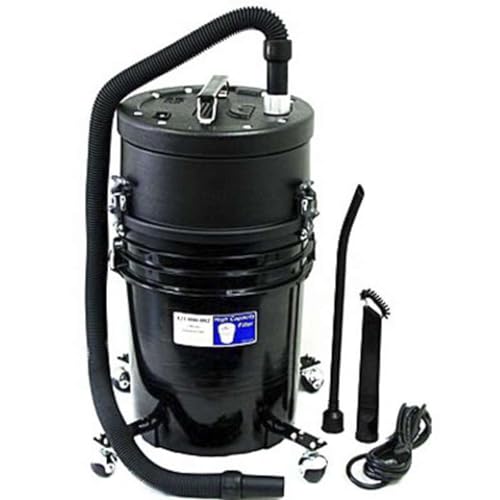
5-GALLON HEPA FILTER - The Atrix immediate containment HEPA filters have been indepently tested to to meet the the qualifications to capture 99.97% efficiency at 0.3 microns
Effectiveness of HEPA Filters for Allergy Relief
While selecting an air filtration system, understanding the effectiveness of HEPA filters for allergy relief is essential for households prone to allergens. HEPA filters capture 99.97% of particles as small as 0.3 microns, effectively eliminating common culprits like pollen, dust mites, and pet dander from the air. This greatly enhances indoor air quality, reducing airborne irritants that trigger allergic reactions. Unlike standard filters, which may allow many allergens to pass through, HEPA filters are designed to trap these fine particles. Regular maintenance, including timely filter replacements, is vital for sustaining their high performance. Additionally, incorporating HEPA filters into HVAC systems and portable air purifiers can significantly improve allergy management strategies by continuously circulating cleaner air throughout living spaces. A bagged design in vacuum cleaners can further enhance allergen containment during disposal, making it a valuable option for allergy sufferers.
Recommended Products
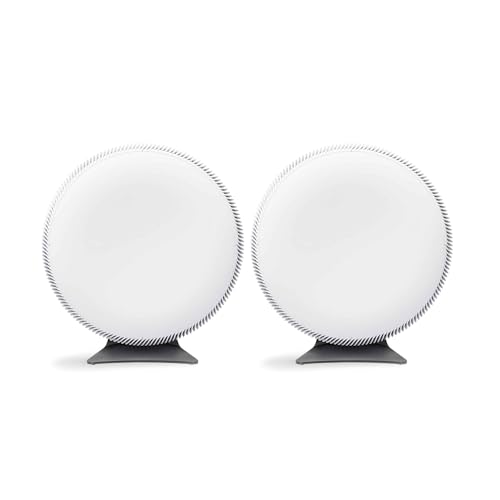
Advanced HyperHEPA Filtration: Designed to remove and trap 99.995% of all airborne particles down to 0.003 microns, the Atem X supplies unequaled protection against dust, pollen, pet dander, smoke from wildfires, and more. True HEPA filtration

5-pack filter replacement bundle: Genuine replacement filters from IQAir! Designed for our advanced HealthPro Plus room air purifiers, this 5-pack 3-in-1 IQAir filter bundle includes three long-lasting replacement filters: PreMax Pre-Filter, V5-Cell Gas and Odor Control Filter, and HyperHEPA Filter.
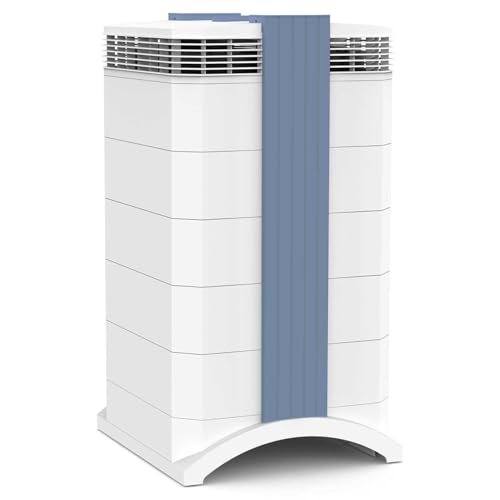
COMPREHENSIVE MULTIGAS FILTRATION - The GC MultiGas XE by IQAir features advanced filtration for chemicals, tobacco smoke, odors, and airborne contaminants. Designed for large rooms, it combines HyperHEPA filtration, activated carbon, gas cartridges, and post-filter sleeves to help capture 99% of targeted pollutants.
Limitations of Standard Filters
Air filtration systems utilizing standard filters present several limitations that can significantly impact indoor air quality. Standard filters, often made from inexpensive fiberglass, primarily capture larger particles, often failing to trap allergens like pollen and pet dander. The Minimum Efficiency Reporting Value (MERV) ratings for these filters typically fall below 8, indicating a struggle to filter out smaller particles, including dust mites and mold spores. With only a 20-30% capture rate of similarly sized allergens, most airborne irritants remain unfiltered. Additionally, many standard filters permit significant airflow without sufficient filtration, which leads to ongoing indoor air quality issues and persistent allergy triggers. Without regular maintenance, their filtration capabilities diminish quickly, worsening indoor air pollution over time. It is crucial to consider devices equipped with HEPA filters as they can capture 99.97% of allergens, which significantly improves indoor air quality.
Maintenance and Replacement of Filters
Maintaining ideal air quality requires regular attention to filter maintenance and replacement. HEPA filters should typically be replaced every 3 to 6 months, depending on usage levels and allergens present in the environment. Regular checks for dust accumulation and reduced airflow can signify the need for maintenance or replacement. Similarly, MERV-rated filters require changes within the same time frame but may need more frequent replacement during high pollen seasons. To enhance filter performance and air quality, adherence to consistent carpet and upholstery cleaning schedules is essential. Additionally, servicing the HVAC system twice a year guarantees efficient filtration. It is important that filters align with the HVAC system’s specifications to prevent damage and maintain peak air quality and airflow. Proper maintenance of pre-motor filters is crucial as these filters help prolong motor lifespan by preventing dust buildup inside the vacuum.
Recommended Products

3-pack filter replacement bundle: Genuine replacement filters from IQAir! Designed for our advanced HealthPro Plus room air purifiers, this 3-pack 3-in-1 IQAir filter bundle includes three long-lasting replacement filters: PreMax Pre-Filter, V5-Cell Gas and Odor Control Filter, and HyperHEPA Filter.

WHOLE-HOME AND EXTRA LARGE ROOM COVERAGE Designed for open floor plans and whole-home air purification. Rapidly cleans 1,043 ft2 in 15 minutes & up to 4,172 ft2 in 1 hour, delivering consistent purification where you sleep, work, and relax.

5-Pack HEPA Replacement Filter: Genuine HyperHEPA replacement for IQAir HealthPro Series Air Purifiers
Whole-House Systems vs. Room Air Purifiers
Choosing between whole-house systems and room air purifiers involves understanding their specific capabilities and effectiveness in improving indoor air quality. Whole-house systems utilize MERV-rated filters, capturing 75%-85% of particles between 0.3 and 1.0 microns, while room air purifiers equipped with HEPA filters can trap 99.97% of particles down to 0.3 microns, making them superior against allergens. Room air purifiers are ideal for homes without central HVAC systems or multiple rooms needing targeted cleaning. The Clean Air Delivery Rate (CADR) is critical for room air purifiers to guarantee proper sizing for maximum efficiency. Incorporating HEPA filtration systems in room air purifiers can significantly improve indoor air quality, especially for allergy-prone families. Both systems require regular maintenance and timely filter changes, generally every three months, to operate effectively in reducing airborne allergens in the home.
Recommended Products

Advanced HyperHEPA Filtration: Designed to remove and trap 99.995% of all airborne particles down to 0.003 microns, the Atem X supplies unequaled protection against dust, pollen, pet dander, smoke from wildfires, and more. True HEPA filtration

3-Stage Filtration System: AlorAir Cleanshield HEPA 550 Air Scrubber build with Airflow 270-550 CFM with Variable Speed as a portable HEPA air purifier. It can be used with up to 3 levels of filtration, pre-filters, activated carbon/HEPA filters.

Environmental Control Practices for Allergy Management
Effective management of allergies often requires an all-encompassing approach to environmental control practices. Maintaining indoor humidity below 50% is vital for minimizing dust mites and mold growth, both common allergy triggers. Regularly washing bedding in hot water at least 130°F helps control allergy symptoms by reducing dust mite populations. Additionally, using dust-mite-proof covers on mattresses and pillows can limit allergen exposure during sleep. Vacuuming with HEPA filters guarantees that allergens like pet dander and pollen remain trapped and do not circulate in the air. HEPA filters are essential for capturing 99.97% of allergens and dust, promoting healthier home environments. Furthermore, establishing clean rooms and implementing air purifiers further enhance environmental health, providing a more comfortable atmosphere for allergy-prone families. Simple actions, such as removing shoes at the entrance, can greatly decrease outdoor allergens indoors.
Cost Considerations for Families
When evaluating the costs associated with air filtration options, families often find themselves weighing the advantages of HEPA filters against more affordable MERV filters. HEPA filters typically range from $200 to $500 for portable units, while MERV 13 filters cost between $20 and $50, offering a substantial budget-friendly alternative. Factoring in replacement cycles is essential, as HEPA filters need changing every 6 to 12 months, while MERV filters generally require replacement every 3 to 6 months. Although families may spend more initially on HEPA systems, their high efficiency in capturing allergens can lead to long-term savings. MERV 13 filters can be integrated into existing HVAC systems without additional installation costs, maintaining clean air quality at a more accessible price point. HEPA filters are essential for asthma sufferers because they capture up to 99.97% of allergens like dust mites and pollen, significantly reducing asthma triggers.
Recommended Products


Compact & Multi-angle Engraving for Any Project: More flexible to use than competing products, unlocking more usage scenarios; Portable size fits home studios or mobile DIY setups.

MADE IN USA - Made in our factory in Royal Oak Michigan using domestically sourced componentry.
When to Consult an Allergist
Determining the right time to consult an allergist involves recognizing persistent allergy symptoms that don’t improve with home air filtration efforts. If symptoms such as sneezing, itching, or congestion continue, despite using HEPA filters, professional support may be necessary. An allergist can assess which triggers may affect indoor air quality and help remove exposures maximizing safety. Families with severe allergies or asthma should consult an allergist to evaluate current filters and suggest additional interventions, ensuring reduced health risks. Seasonal symptoms warrant consultation as well; an allergist can identify outdoor allergens and develop a thorough management plan. Integrating high-quality HEPA filters into a tailored strategy can enhance air quality, benefiting sensitive individuals and improving overall well-being. Regular vacuuming is crucial to control dust mites, as dust mite populations can quickly rebound, highlighting the need for ongoing maintenance.
Frequently Asked Questions
Do HEPA Filters Actually Help With Allergies?
HEPA filters greatly aid in allergen reduction, enhancing indoor air quality and respiratory health. Their effectiveness in trapping small particles contributes to allergy management, though considerations regarding filter lifespan, maintenance, and cost comparison are essential for ideal use.
Why Are HEPA Filters Rarely Used in Homes?
In the tapestry of home air quality, HEPA filter usage often fades, overshadowed by the cost of HEPA and challenging filter maintenance tips. Alternative filtration systems, with efficiency ratings like MERV 11, offer accessible solutions for allergens in homes.
What Are the Two Disadvantages of HEPA Filters?
HEPA filters present cost concerns and maintenance challenges; their replacement frequency can lead to ongoing expenses. Additionally, airflow resistance and energy consumption may contribute to higher operational costs, complicating their practicality in some households.
What Is the Best Air Filter for Allergy Sufferers?
In a battle against invisible foes, HEPA filters emerge victorious for allergy sufferers, effectively capturing dust mites and pet dander. Their superior allergen removal outweighs maintenance costs, enhancing indoor air quality and alleviating asthma triggers with proper filter lifespan management.
Conclusion
In the domain of air filtration, HEPA filters and standard filters serve distinct purposes. While HEPA filters capture at least 99.97% of particles down to 0.3 microns, making them ideal for allergy relief, standard filters generally trap larger debris but allow smaller allergens to pass through. When families face allergy challenges, understanding these differences empowers informed choices. Ultimately, the right air filtration system, combined with effective environmental practices, can greatly enhance indoor air quality and overall health.


