As an Amazon Associate, we earn from qualifying purchases. Some links on this site are affiliate links at no extra cost to you. Our recommendations are based on thorough research and editorial judgment.


Creating an Allergy-Friendly Cleaning Routine With Vacuums and Mops

Creating an allergy-friendly cleaning routine requires using HEPA filter vacuums and damp mops. HEPA vacuums can capture 99.97% of allergens, ensuring a cleaner environment. Regularly vacuuming carpets and upholstery, along with damp mopping hard floors, minimizes airborne dust. It’s advisable to wash bed linens in hot water weekly to eliminate dust mites. Employing microfiber cloths for dusting can also enhance allergen removal. Following these strategies can effectively improve indoor air quality, offering further insights into effective practices.
Key Takeaways
- Use a HEPA-filter vacuum 1-2 times a week to effectively remove dust mites, pet dander, and other allergens from carpets and upholstery.
- Mop hard floors weekly with a damp mop and hypoallergenic cleaner to prevent dust particles from becoming airborne.
- Wash bed linens and pillowcases in hot water (at least 130°F) weekly to eliminate dust mites and other allergens.
- Employ microfiber cloths for dusting as they trap allergens better than traditional dusters, reducing airborne particles.
- Maintain indoor humidity levels between 30-50% to deter mold growth and create an allergen-free environment.
Importance of Allergy-Friendly Cleaning
Allergy-friendly cleaning is essential, as it effectively reduces common indoor allergens, creating a healthier living space for individuals with sensitivities. Implementing an allergy-friendly cleaning routine minimizes allergens like dust mites, pet dander, and mold spores. Regular cleaning, including vacuuming 1-2 times each week with HEPA filters, helps to remove dust and improve indoor air quality. Utilizing hypoallergenic cleaning products prevents harsh chemicals from triggering allergic reactions. It is vital to maintain humidity levels between 30-50%, which deters mold growth and supports a pure air quality. Additionally, incorporating cleaning tips like damp dusting and regular decluttering further reduces allergen hiding spots, ultimately promoting a safer, more comfortable environment for all inhabitants. To effectively trap allergens, HEPA filtration in vacuum cleaners is crucial, as it captures 99.97% of dust and particles, significantly improving air quality.
Essential Tools for Effective Cleaning

A well-equipped cleaning routine requires the right tools to effectively manage allergens in the home. A HEPA vacuum is essential, as it can trap 99.97% of particles smaller than 0.3 millimeters, greatly reducing overall allergen levels. Microfiber cloths are also important for damp dusting, as they attract and hold dust instead of releasing it into the air. Additionally, using fragrance-free cleaners guarantees that harmful chemicals do not exacerbate allergic reactions while maintaining a healthier environment. Regular replacement of HEPA filters ensures optimal performance and sustained air cleanliness. Regular maintenance of cleaning tools, like vacuum filters and mop heads, is necessary to optimize their performance. Finally, investing in allergy-proof covers for mattresses and pillows serves as an effective barrier against dust mites and enhances the overall effectiveness of the cleaning routine.
Recommended Products
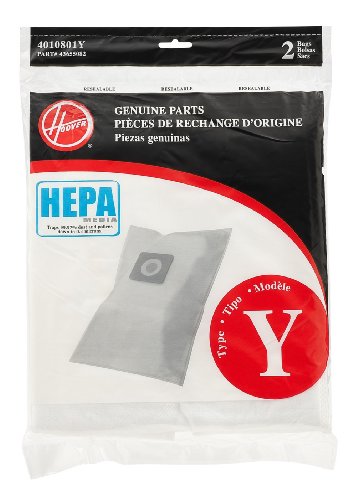
Model # 4010801Y was replaced with Model # AH10040

Powerful suction and quick cleaning: Without the cord Up to 40 minutes of run time. Actual run time will vary based on power mode and/or attachments used.
Weekly Cleaning Routine for Allergy Management
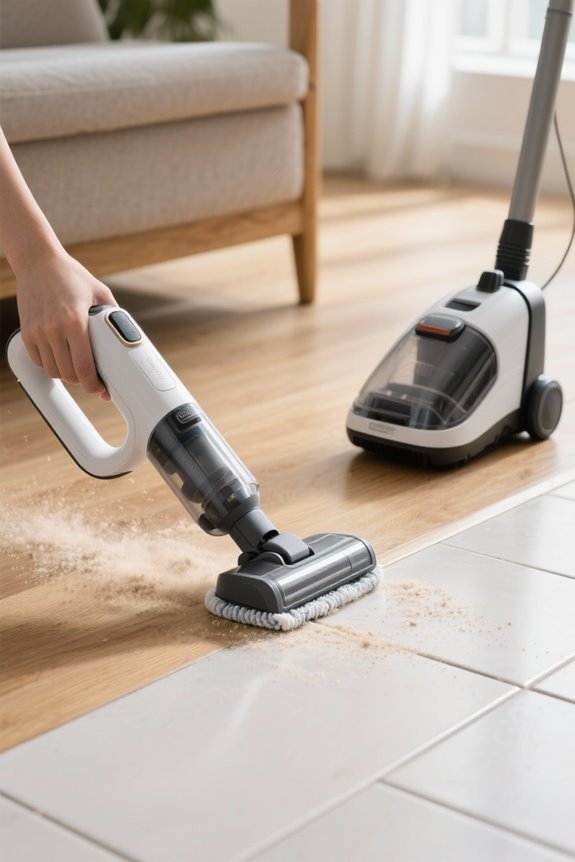
Maintaining a consistent weekly cleaning routine plays an essential role in managing allergens in the home. Effective cleaning requires vacuuming carpets, rugs, and upholstery 1-2 times per week with a HEPA-filter vacuum, which efficiently captures dust mites and pet dander. Weekly washing of bed linens and pillowcases in hot water at 130°F or higher is imperative to eliminate accumulated dust mites and allergens. Additionally, mopping hard floors with damp mops and hypoallergenic cleaners helps prevent dust from becoming airborne. Focus should also be on high-traffic areas and overlooked spots, such as under furniture and appliances, to reduce hidden allergen contributors. Choosing a vacuum with advanced filtration systems is essential for thorough cleaning and improved indoor air quality. Regular decluttering and a systematic cleaning routine can also greatly enhance indoor air quality.
Recommended Products

OPTIMIZED DESIGN FOR ENHANCED CLEANING: Ensures a thorough cleaning experience by targeting fine dust and particles with powerful suction and advanced filtration
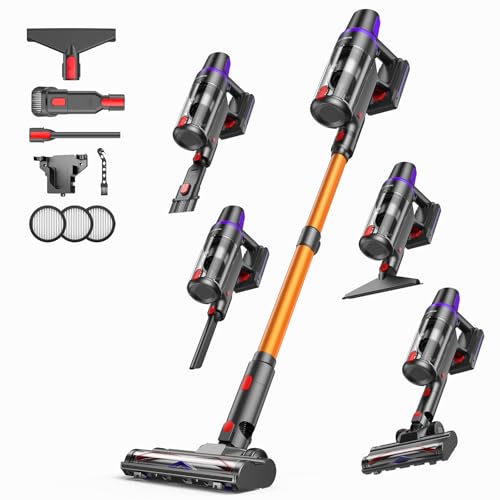
[3 Power Modes & 60-Min Runtime] This cordless handheld vacuum is equipped with a high-capacity battery that delivers up to 60 minutes of continuous cleaning in energy-saving mode. Choose from three power settings to adapt to different surfaces and tasks around your home. For added convenience, the battery can be removed for standalone charging, or you can use the included charging base for automatic power-ups and tidy storage

DuoClean PowerFins Technology: Two brushrolls—PowerFin and soft roller—provide nonstop contact on carpet and hard floors for deeper cleaning and more debris pickup in every pass (vs. original DuoClean).
Room-by-Room Cleaning Strategies
When aiming for an allergy-friendly home, implementing room-by-room cleaning strategies proves beneficial in reducing allergen levels throughout the living space. In bedrooms, encasing mattresses and pillows in dust-mite-proof covers and washing bed linens weekly in water above 130°F helps eliminate allergy triggers. In living rooms, replacing carpets with hard flooring reduces dust, while using a HEPA vacuum weekly can effectively clean upholstery. The kitchen requires a vented exhaust fan to lower humidity, alongside regular cleaning of surfaces with safe cleaning products. In bathrooms, exhaust fans during showers and damp mopping floors can address mold. Establishing a consistent hypoallergenic cleaning schedule enhances air quality and manages asthma triggers effectively across all rooms, ensuring a healthier environment. A HEPA vacuum captures 99.97% of allergens, making it an essential tool for maintaining clean air quality in homes with allergy sufferers or pets.
Recommended Products

【High-Efficiency Deep Cleaning】Our UV mattress vacuum cleaner features a powerful 500W motor, providing 16kPa of strong suction and 30,000 RPM high-frequency tapping. It penetrates deeply into mattresses and fabric layers, effectively removing fine dust, skin flakes. Keep your mattress and sofa consistently fresh and clean, creating a healthier sleep environment and allowing you to enjoy a healthier home life. (NOTE: Not suitable to absorb pet hair)

POWERFUL SUCTION FOR CARPET & HARD FLOORS: Clean carpets and hardwood floors with strong multi-surface suction. This lightweight upright vacuum cleaner lifts dirt, debris, and pet hair for a complete home clean.

POWERFUL SUCTION FOR CARPET & HARD FLOORS: Clean carpets and hard floors with strong multi-surface suction. This lightweight upright vacuum lifts dirt, debris, and pet hair for a complete home clean.
Quick Tips for Minimizing Allergens
Creating an allergy-friendly environment requires an array of quick tips that can greatly minimize allergens throughout a home. Regular vacuuming with a HEPA-filter vacuum can effectively remove 99.97% of dust mites and pet dander, markedly reducing airborne allergens. Mopping hard floors at least once a week with a damp mop helps prevent dust from becoming airborne during cleaning. Additionally, allergy sufferers should wash bed linens and pillowcases in hot water weekly, effectively eliminating dust mites and their droppings. Using microfiber cloths for dusting is advisable, as these capture allergens better than traditional dusters. It is also essential to keep humidity levels below 50% to deter mold growth and dust mites, creating a less hospitable environment for indoor allergens. For optimal air quality improvement, consider vacuums with anti-allergen complete seal technology to enhance filtration effectiveness.
Recommended Products

POWERFUL SUCTION. Dirt, fur & dust don’t stand a chance against the Pet Hair Eraser Allergen Lift-Off vacuum’s suction power.
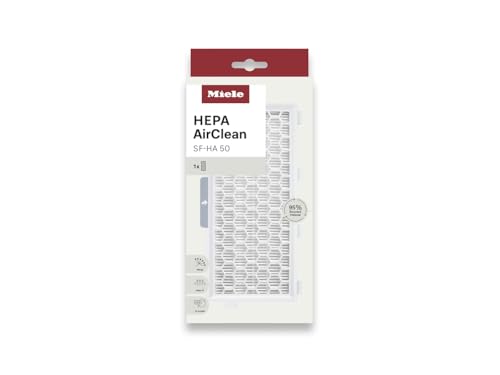
Use: Miele's SF-HA 50 HEPA AirClean Filter is compatible with Miele Guard M1 and L1, Complete C2 and C3, Compact C1 and C2 vacuum cleaners
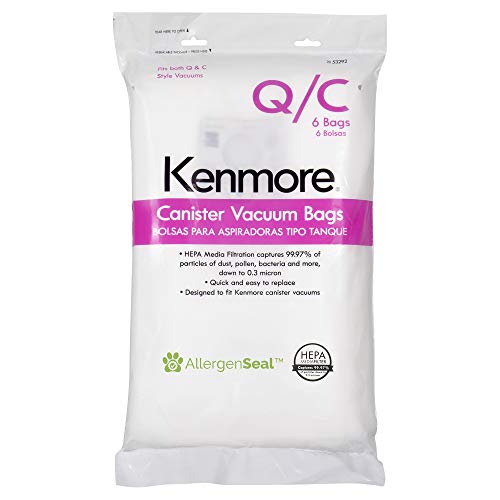
Fits Kenmore canister vacuum cleaners that use type Q replacement bags
Maintaining a Healthy Home Environment
A healthy home environment is essential for minimizing allergens and promoting overall well-being. Using HEPA-filter vacuums that trap 99.97% of dust and allergens helps greatly reduce indoor allergens. Regular vacuuming and damp mopping floors at least once a week aids in preventing dust from becoming airborne, which can trigger asthma symptoms. Additionally, maintaining humidity levels below 50% prevents mold and dust mite growth, achieved through dehumidifiers and proper ventilation. A consistent cleaning schedule, including washing bedding in hot water weekly, further minimizes dust mites. Utilizing hypoallergenic, fragrance-free cleaning products guarantees fewer chemical irritants are present, creating a safer living space. Together, these strategies contribute to a cleaner, healthier home for all inhabitants. Choosing vacuums with strong suction power ensures effective removal of pet hair and deep debris, further enhancing indoor air quality.
Recommended Products

【550W High-Power Motor & 45kPa Strong Suction】 Powered by a 550W motor, this cordless vacuum delivers up to 45,000Pa of suction for efficient, deep cleaning. Effectively lifts embedded dirt, fine dust, and stubborn pet hair from hardwood, carpet, and tile floors. Lightweight and tangle-free, it’s an ideal choice for daily maintenance in family homes, apartments, and pet-friendly households.

POWERFUL SUCTION FOR CARPET & HARD FLOORS: Clean carpets and hardwood floors with strong multi-surface suction. This lightweight upright vacuum cleaner lifts dirt, debris, and pet hair for a complete home clean.
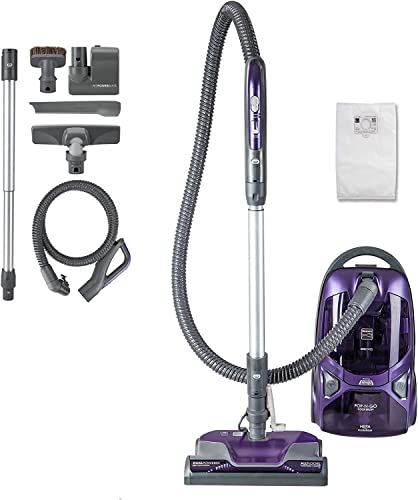
BAGGED CANISTER VACUUM: Multipurpose design w/swivel head cleans all areas and surfaces in your home, den, kitchen, car and garage
Frequently Asked Questions
Does Vacuuming Every Day Help With Allergies?
Daily vacuuming considerably benefits allergy sufferers by improving air quality and controlling indoor allergens. Enhanced vacuum cleaner features aid in dust mite control and can provide long-term health effects, leading to relief from allergy symptoms.
How to Clean Dust Without Triggering Allergies?
To clean dust without triggering allergies, utilize hypoallergenic materials, allergen-free products, and effective dust removal techniques. Regularly declutter spaces, maintain air filtration, and employ steam cleaning or safe sprays to manage pet dander effectively.
What Is the Best Vacuum Cleaner for People With Allergies?
The best vacuum cleaner for allergies features a HEPA filter, strong suction power, and effective allergen control tips. Lightweight options, either bagged or bagless, benefit from regular maintenance and manageable noise levels for peak performance.
What Is the Best Mopping Solution for Allergies?
In an allergy sufferer’s home, hypoallergenic cleaners play an essential role. Microfiber cloths and eco-friendly mops trap dust, while steam mopping sanitizes without toxins, creating an allergy-proof environment free from scent-laden irritants and triggers.
Conclusion
Incorporating an allergy-friendly cleaning routine transforms your living space into a healthier environment. Utilizing high-quality vacuums equipped with HEPA filters and microfiber mops effectively captures allergens lurking in carpets and hard floors. By following a structured weekly cleaning schedule and tailored room strategies, individuals can greatly reduce allergen exposure. Combined with quick, actionable tips, these practices guarantee a breathable, serene home. Ultimately, maintaining a healthy interior is not just aspirational; it is a realistic goal within reach for many.


