As an Amazon Associate, we earn from qualifying purchases. Some links on this site are affiliate links at no extra cost to you. Our recommendations are based on thorough research and editorial judgment.


How to Safely Clean Hair and String From Your Vacuum Brush Roll

To safely clean hair and string from a vacuum brush roll, first unplug the vacuum and lay it down for access. Remove the faceplate by unscrewing the Phillips head screws and pull out the roller brush. Cut away tangles of hair using scissors, focusing on areas near the belt. Clean bearings with a small brush, and wipe surrounding areas with a wet cloth. Regular maintenance can help prevent future buildup. More effective cleaning tips are available for further insight.
Key Takeaways
- Ensure the vacuum is unplugged and work in a dry, clean area to prevent accidents during cleaning.
- Remove the bottom faceplate by unscrewing the necessary Phillips head screws and keep them organized.
- Carefully pull the roller brush out, noting its orientation, and check for hair or debris wrapped around it.
- Use scissors or a seam ripper to cut and remove hair and strings, cleaning the surrounding area with a wet paper towel.
- Regularly maintain your vacuum by cleaning the brush to prevent tangling and ensure optimal performance, especially in homes with pets.
Safety First
Before undertaking any maintenance on a vacuum, individuals should consistently prioritize safety first. Unplugging the vacuum is essential to avoid the risk of electric shock during cleaning. It is also vital to prepare a work area that is dry and free from any obstructions, potentially preventing accidents. Wearing protective gloves assists in guarding against sharp objects or dust that may be present on the roller brush. Keeping the vacuum’s user manual close offers specific safety instructions tailored to the model. Additionally, utilizing appropriate tools, such as a screwdriver and scissors, can minimize the risk of injury during servicing. Overall, integrating these safety measures guarantees a secure and effective maintenance process. It’s also important to consider that handheld vacuums, especially those with HEPA filters, capture 99.97% of particles as small as 0.3 microns, which aids in maintaining a cleaner environment.
Roller Access
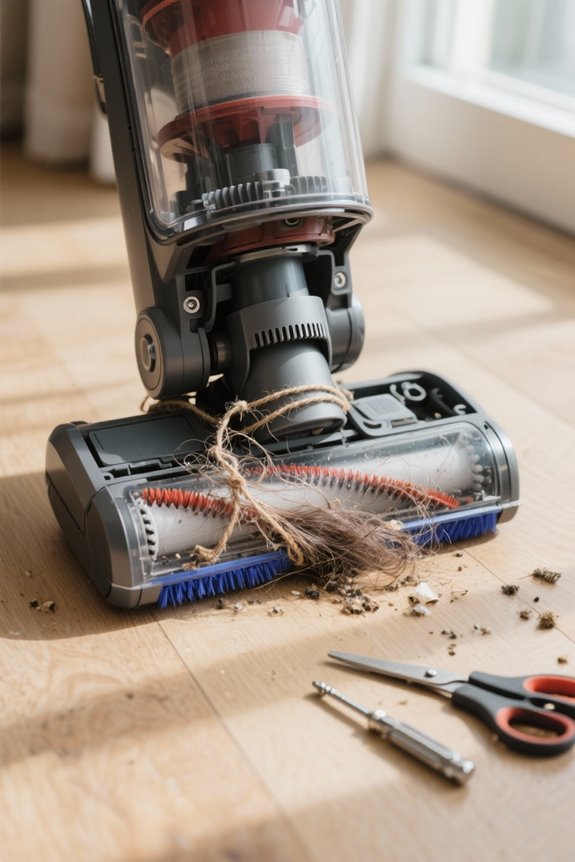
Accessing the roller brush of a vacuum typically requires a few straightforward steps that guarantee effective maintenance and maximum performance. To start, lay the vacuum down to expose its underside for easier handling. Users usually need to remove around four Phillips head screws from the bottom faceplate; however, some models may have variations in design. It is essential to keep the screws organized during this process, using a bowl or tupperware to prevent loss. When removing the faceplate, care is necessary to avoid damaging any clips or attachments. Additionally, individuals should check for any extra securing mechanisms, as certain vacuum models may include additional clips or tabs that also need to be addressed for complete access to the roller brush. A HEPA filtration system can also improve the air quality in your home by capturing allergens, making it an important feature to consider when maintaining your vacuum.
Pop It Out

After removing the bottom faceplate, the next step involves taking out the roller brush from its housing. First, it is vital to confirm the vacuum cleaner is unplugged for safety. Lay the vacuum down to access the bottom faceplate easily. Using a Phillips head screwdriver, remove the screws that secure this faceplate and keep them organized in a bowl. Once the screws are out, carefully pull the roller brush from its housing. Noting its orientation during this process is significant for reassembly. Inspect the roller brush for any hair or debris that might hinder performance before reinserting it back into the vacuum cleaner. Models equipped with a washable HEPA filter enhance allergen capture, ensuring cleaner air quality during operation. Proper installation will guarantee efficient operation and longevity for the device.
Cleaning
Cleaning the vacuum brush roll requires methodical attention to guarantee peak performance. Users should start by carefully cutting away hair and strings entwined on the brush, especially around the belt and bearings. This action assures thorough cleaning and prevents operational issues. After cutting, individuals can systematically pull out remaining hair using their fingers, making sure no remnants obstruct the brush’s rotation. During the disassembly process, organizing screws in a bowl or tupperware helps prevent loss. Additionally, cleaning the surrounding housing with a wet paper towel removes dust and debris before reassembly. It is vital to confirm the roller brush is correctly oriented and aligned when reinstalling, as this step supports peak functionality and extends the lifespan of the vacuum cleaner. Incorporating appropriate crevice tool attachments can enhance the cleaning efficiency by reaching tight spaces effectively, providing a comprehensive cleaning experience.
Recommended Products

Plush Corduroy Fabric:This corduroy couch features a modular design with plush, removable covers for easy care. It includes 8 back pillows, while the seat cushions are secured to the frame with Velcro for a neat, stable setup.
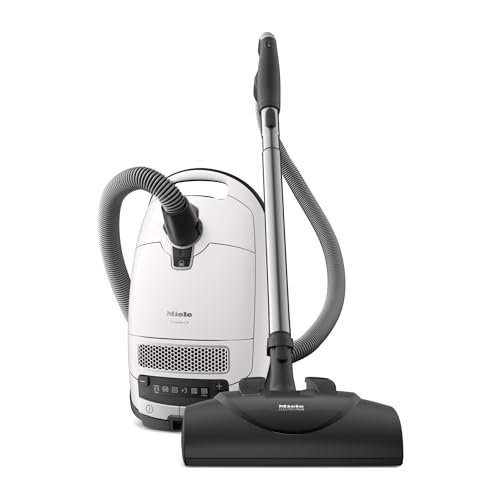
Powerful cleaning: Bagged canister vacuum designed for pet owners with an electrobrush floorhead featuring 5 carpet settings for all carpet types and parquet twister floorhead for smooth floors
Bearings
The vacuum brush roll’s bearings play a significant role in guaranteeing the roller rotates smoothly, contributing to overall cleaning effectiveness. These vital components enable efficient movement, but hair and string buildup can impair their function. When debris accumulates, it increases friction, leading to wear and potential damage over time. To maintain peak vacuum performance, regular cleaning of the bearings is essential; this prevents overheating of the motor and guarantees longevity. In addition, after cleaning, lubricating the bearings can enhance their functionality, allowing for improved efficiency. During the cleaning process, inspecting the bearings for any signs of damage or wear is essential, as this helps ensure that the vacuum operates effectively and reduces the likelihood of future issues. Moreover, using quality filtration systems such as HEPA filters is crucial to maintaining air quality and preventing clogging, which can further strain the bearings and motor.
Putting It Back Together
Ensuring that all components are properly reassembled is crucial for the vacuum’s performance. When putting it back together, first reinsert the roller brush in the correct orientation, aligning it within the vacuum housing. If necessary, slightly pull the belt to facilitate insertion without straining any components. Next, securely reattach the end caps to the roller brush to prevent dislodgment during operation. The bottom faceplate must be replaced by firmly aligning it with the vacuum’s housing, fastening all previously removed screws to guarantee stability. Finally, double-check that all components are correctly assembled, and conduct a brief test of the vacuum cleaners’ functionality to confirm efficient operation before regular use. Proper assembly is essential for maintaining top-tier performance. It is also beneficial to perform regular upkeep to ensure peak vacuum performance, such as cleaning roller brushes and filters, which is crucial for maintaining suction power across different floor types.
Troubles Caused by Hair Stuck in the Vacuum Brush
While vacuum cleaners are designed to be efficient, hair accumulation in the brush roll can lead to several significant issues. The presence of pet hair can hinder rotation, drastically reducing suction power and making cleaning less effective. Moreover, accumulated hair may cause overheating, posing a risk to the vacuum motor, which can result in costly repairs or replacement. Incomplete cleaning due to hair entanglement can lead to a buildup of dirt, dust, and allergens in carpets, adversely affecting indoor air quality. Additionally, hair accumulation can create unpleasant odors, especially in moist conditions, impacting a home’s overall ambiance. Consequently, the vacuum’s efficiency declines, increasing frustration for users who find themselves cleaning the same areas repeatedly. For enhanced safety and performance, using vacuum systems equipped with anti-static hoses can help minimize dust buildup and static discharge during operation.
Recommended Products

UP TO 30 DAYS OF HANDS-FREE CLEANING: The NeverTouch Base automatically empties debris, refills the water tank, and washes and dries the mop for up to 30 days. It also features HEPA filtration and an Anti-Allergen Seal to capture dust and allergens.

Suction & Mop Performance – 2300Pa max suction (vs. 1500Pa on most basic robot vacuums) lifts pet hair, paper scraps, and embedded dust from carpets and hard floors. Two selectable suction modes (high for carpets, low for hard floors). Electric mopping with 2 water levels (low/high) for tile, laminate, hardwood – for carpets, manually remove the mop cloth to prevent wetting. Large bottom suction opening + non-rolling brush design – no tangled long hair or threads. 60dB noise (quieter than 65-70dB vacuums), safe for babies and light sleepers.

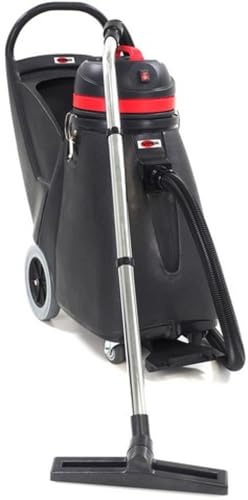
Exceptional Suction Power for Heavy-Duty Use - Features a 1,380-watt motor delivering 153 CFM airflow and 102 PSI static water lift, providing reliable and efficient removal of dust, debris and liquids for a wide range of applications
Tools Needed for Cleaning a Vacuum Brush Roll
Cleaning a vacuum brush roll requires specific tools to confirm the process is effective and safe. Essential tools needed for cleaning a vacuum brush roll include protective gloves, which safeguard hands from dust and sharp objects. A Phillips or flathead screwdriver is necessary for removing screws that secure the bottom faceplate, allowing access to the roller brush. Scissors, safety cutters, or seam rippers are effective for cutting away tangled hair and threads, preventing damage to the bristles. Additionally, a cleaning brush or an old toothbrush helps dislodge debris from hard-to-reach areas around the roller’s bearings. Finally, rubbing alcohol or mild detergent confirms the roller brush and its components are properly sanitized during the cleaning process. For enhanced indoor air quality, consider using vacuums equipped with HEPA filters, which capture 99.97% of allergens, significantly improving air quality in your home.
Recommended Products

ADVANCED AI CLEANING MODE 2.0: The Bespoke AI Jet Lite features an intelligent AI-powered cleaning system that adapts to your home environment, optimizing suction power and navigation for a thorough clean every time

The cordless upright: Lightweight and convenient with the cleaning power of a whole-home vacuum. Stands upright unaided. Made in Germany

OZMO Roller 2.0 Instant Self-Cleaning System — Scrub, Wash & Clean in Real Time: Unlike pad wiping or water-only rollers, OZMO Roller 2.0 uses a high-density nylon roller with continuous pressurized self-washing, actively scrubbing away sticky spills and dried stains — cleaning messes instead of spreading them.
Steps on How to Get Rid of Hair Out of a Vacuum Roller
Removing hair from a vacuum roller can greatly improve its efficiency and longevity. First, ascertain the vacuum is unplugged to avoid accidents during the process. Next, access the roller brush by carefully removing the screws from the bottom faceplate with a Phillips head screwdriver. After removing the screws, extract the roller brush, noting its orientation for easy reassembly. Use scissors or a seam ripper to cut away tangled hair and threads, particularly focusing on stubborn areas near the bearings and belt. Regular maintenance may be required to sustain efficiency, especially in homes with pets. For effective results, regular cleaning is essential. Before reassembling, wipe down the roller housing with a damp cloth to remove any debris. Finally, securely fasten the faceplate with the screws previously removed, ensuring everything is in place.
Recommended Products

Effortless & Efficient Sweeping: This battery-powered sweeper dramatically reduces operator fatigue and increases productivity, with a battery-operated main broom, side brushes, and dust fan
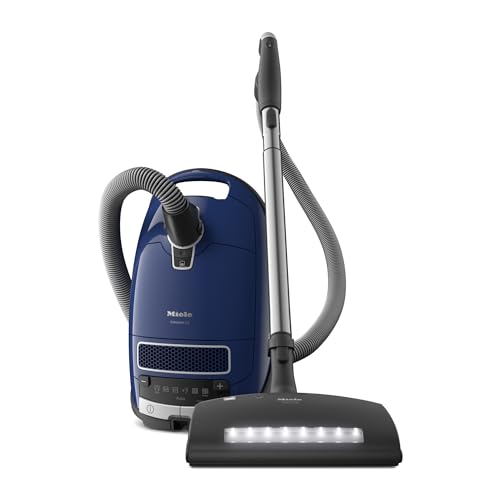
POWERFUL AND QUIET: Bagged canister vacuum optimal for all flooring types with an Electrobrush with LED headlight for carpets and Parquet floorhead for smooth flooring
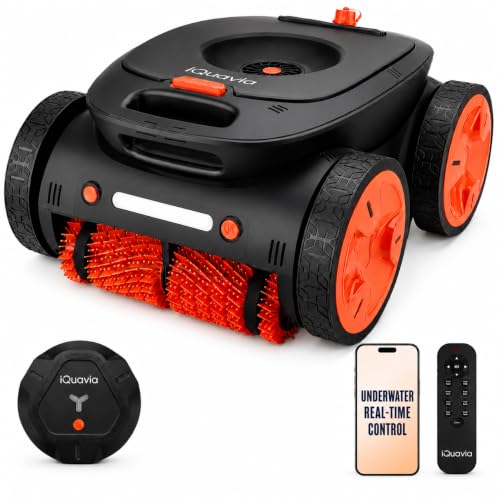
Automatic Cleaning with Optional Underwater Control — Pool robots can miss corners, drains, or debris-heavy spots. iQuavia cleans automatically with a smart route, while the signal buoy lets you use the app or remote to steer toward missed areas, switch modes, or target dirty spots without pulling it out.
Tips for Preventing Hair Tangled on a Vacuum Cleaner
Preventing hair from tangling in a vacuum cleaner brush requires a few strategic steps that can enhance cleaning efficiency. First, regularly sweeping loose hair from floors with a rubber squeegee broom can greatly reduce the amount of hair tangled on a vacuum cleaner. Additionally, manually combing through carpets before vacuuming minimizes hair buildup, preventing it from wrapping around the roller. Investing in tangle-free vacuum technology, such as the eufy X10 Pro Omni, can provide auto-detangling mechanisms that help avoid hair snags. Establishing a routine maintenance schedule for checking and cleaning the vacuum brush is also essential. Finally, using vacuums with specialized brush designs specifically aimed at preventing tangling can maintain cleaning performance and reduce the frequency of brush cleaning. One of the most effective solutions includes selecting cordless vacuums with self-cleaning brush rolls, which prevent hair wrap and are especially beneficial for pet owners.
Recommended Products

Note: Narwal Flow 2 with Auto Water Refilling and Drainage System means the dock will automatically fill and drain water. Please check the installation environment before purchasing.

Break Down Tough Messes Before Scrubbing: Mark dirty zones in the ECOVACS app and X12 uses FocusJet pre-spray to help loosen sticky spills, paw prints, and dried-on kitchen messes before the roller scrubs.

30,000Pa BLAST Suction — Fewer Passes, Deeper Clean: Weak suction leaves dirt behind. This robot vacuum and mop delivers 30,000Pa BLAST high-airflow suction to lift dust, pet hair, and crumbs from carpets and hard floors in one pass—cleaning faster with fewer repeats.
Related Blogs
While vacuum maintenance is often overlooked, exploring related blogs can provide valuable insights into effective cleaning practices. These resources highlight the importance of maintaining a clean vacuum brush roll, which is essential to keep your vacuum running efficiently. Regularly removing tangles and debris not only preserves suction power but also enhances overall performance. Many blogs recommend using specialized scissors for hair cutting to avoid damaging brush bristles. Additionally, implementing a maintenance schedule and accessing the roller brush by removing the vacuum’s faceplate can further improve functionality. Preventive measures, such as using a rubber squeegee broom to gather loose hair before vacuuming, are also emphasized, helping to minimize future tangles and ensuring a more effective cleaning experience.
Will Hair Ruin a Vacuum?
Hair buildup can indeed ruin a vacuum if not managed properly. When hair wraps around the brush roll, it restricts the brush’s rotation, leading to reduced suction power. This inefficiency prevents the vacuum from effectively cleaning carpets, allowing dirt and allergens to linger, which can diminish indoor air quality. Furthermore, accumulated hair can cause the vacuum motor to overheat, risking irreversible damage if not addressed swiftly. Additionally, when moisture is present, hair accumulation may produce foul odors during operation, creating an unpleasant cleaning experience. Regular maintenance and timely removal of hair from the vacuum brush are essential practices, as they help prolong the vacuum’s lifespan and maintain its exceptional performance while ensuring a cleaner home environment.
Frequently Asked Questions
How to Get Hair Out of a Vacuum Brush Roll?
To effectively remove hair from a vacuum brush roll, one should prioritize brush maintenance by cutting away tangled strands with scissors, carefully clearing residual hair, and ensuring the brush is reassembled properly for peak functionality.
How to Remove Stuck Hair From Roller Brush?
Stuck hair clings stubbornly to the roller brush, resembling a web of tangled threads. To remove it, shears cut through the strands, allowing for effective hair maintenance and restoring the brush’s efficient cleaning prowess.
How to Clean a Vacuum Cleaner Brush Attachment?
Cleaning a vacuum cleaner brush attachment involves unplugging the device, removing the faceplate with a screwdriver, detaching the roller, cutting away hair, cleaning debris, and reassembling components securely. Proper brush maintenance guarantees peak vacuum performance.
How to Get Hair Out of a Vacuum Hose?
To effectively perform hair removal from a vacuum hose, one must first detach the hose, then use flexible tools to pull out debris, ensuring careful use of scissors for tightly wound hair without damaging the hose.
Conclusion
In summary, regular maintenance of a vacuum brush roll is essential for peak performance. By safely cleaning hair and debris, users can enhance airflow and efficiency, ensuring that the vacuum operates smoothly. This proactive approach not only prolongs the life of the machine but also considerably improves cleaning effectiveness. Adhering to the outlined steps and implementing preventative measures will lead to a more efficient home cleaning experience, keeping your vacuum in excellent working condition for longer durations.


