As an Amazon Associate, we earn from qualifying purchases. Some links on this site are affiliate links at no extra cost to you. Our recommendations are based on thorough research and editorial judgment.


How Vacuum Cleaners Capture Dust: From Brush Roll to Dust Bin

Vacuum cleaners capture dust through a combination of high-speed motors and effective brush rolls. The motor generates suction, spinning at over 30,000 RPM, while the brush roll agitates carpet fibers, dislodging dirt. Dust and debris are then directed through an airflow system to the dust bin or bag. Advanced filtration systems, including HEPA filters, capture 99.97% of particles as small as 0.3 microns, enhancing indoor air quality. Further insights on vacuum technology can enhance understanding of their efficiency.
Key Takeaways
- The brush roll’s spinning bristles agitate carpet fibers, dislodging dirt and enhancing suction power.
- A motor generates suction by creating an air pressure difference, pulling debris into the vacuum.
- Cyclone technology separates dirt efficiently, transferring it to the dust bin or bag.
- HEPA filters capture up to 99.97% of tiny particles, improving indoor air quality during cleaning.
- Regular maintenance of the brush roll and filters ensures optimal dust capture and vacuum performance.
The Working Mechanism of Vacuum Cleaners
Vacuum cleaners operate through a well-engineered system designed to capture dust and debris efficiently. They create suction power by utilizing a motor that spins at over 30,000 RPM, generating a significant reduction in air pressure. This pressure difference allows atmospheric pressure to push dirt and debris into the machine. The airflow system transports these particles to a dust bin or bag, effectively utilizing cyclone technology for separation. A high-quality filtration system, including HEPA filters, captures 99.97% of particles as small as 0.3 microns, ensuring clean air is released back into the environment. The overall cleaning efficiency of a vacuum cleaner depends on the combined effectiveness of the motor, suction design, and sealed systems that prevent air leaks, solidifying its ability to extract dust. Additionally, strong suction power is crucial for effectively cleaning both carpets and hard floors, ensuring thorough removal of dirt and debris.
The Role of the Brush Roll in Dust Capture
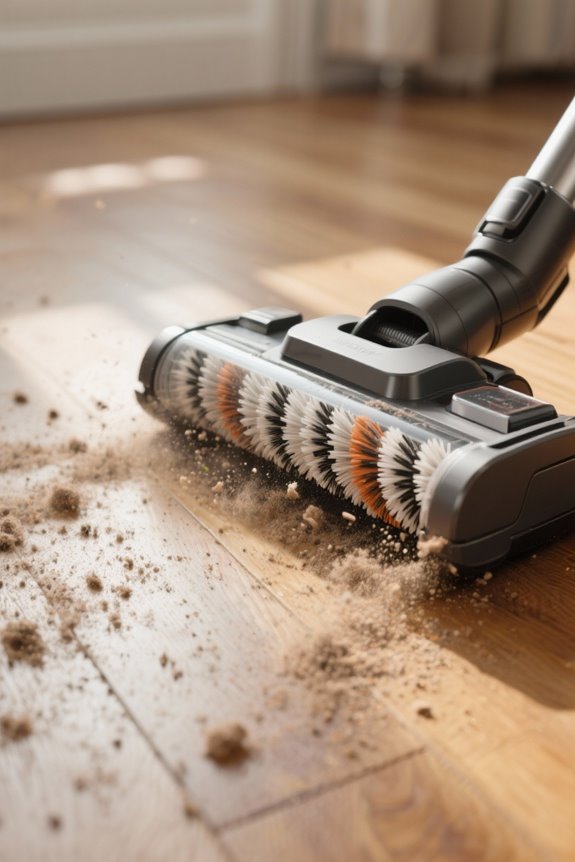
Engaging the brush roll in a vacuum cleaner greatly enhances its ability to capture dust and debris. The brush roll features spinning bristles that agitate carpet fibers, effectively loosening embedded dirt, dust, and pet hair. Operating at speeds up to 6,500 RPM, the brush roll boosts the vacuum’s suction strength, allowing more dirt to be captured with each pass. This component works in tandem with motorized suction, directing debris into the dust bin or bag. Many modern vacuums include automatic brush roll shut-off systems to prevent debris scattering on hard floors, improving cleaning efficiency. Regular maintenance of the brush roll, including cleaning and replacing worn bristles, proves essential for sustaining ideal suction power and overall vacuum performance. Additionally, HEPA filtration in certain vacuum models captures up to 99.99% of dust particles, significantly enhancing indoor air quality for allergy sufferers.
Recommended Products

Material: High-quality durable polypropylene fibres, PE material on the surface, environmentally friendly, plastic on the back, with drainage holes, water resistant with great drainage, no need to worry about stagnant water

Genuine Kirby Replacement Part – Designed to fit and work seamlessly with Kirby vacuum models, ensuring peak performance and durability.

Thick & Realistic Artificial Grass Rug : Grass height about 1.38 inch length, 70 oz total weight per square yard, high density artificial grass. With 4 tone color, soft and lush and the thatch looks & feels like real grass. Providing you with year round green and turf enjoyment, perfect for all indoor and outdoor projects
Other Key Components of a Vacuum Cleaner
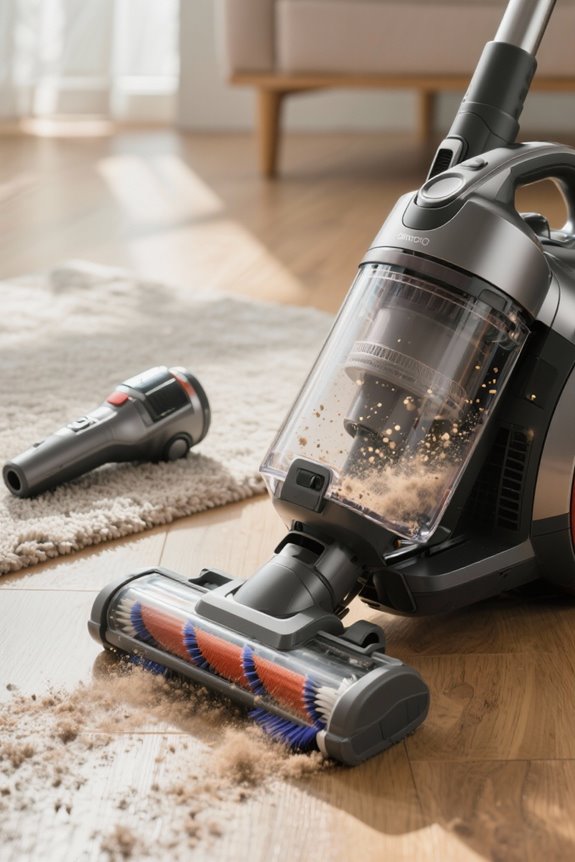
A vacuum cleaner consists of several key components that work together to guarantee effective cleaning performance. The motor generates suction by converting electrical energy into airflow, operating over 30,000 RPM to create a low-pressure area that draws in debris. The brush roll assists in agitating carpet fibers, enhancing cleaning efficiency by improving debris dislodgment. Filtration systems often include HEPA filters, capturing 99.97% of particles as small as 0.3 microns, ensuring purified air returns to the environment. Dust bins, whether bagged or bagless, play an essential role in debris collection, with bagless models employing cyclone technology to reduce clogging. Regular maintenance of the dust bin and filters is crucial, as clogging can greatly hinder airflow and diminish suction performance. Durable construction, such as stainless steel tanks, is suitable for heavy-duty tasks and contributes to the longevity and reliability of vacuum cleaners.
Recommended Products

HOOVER COMMERCIAL SYSTEM: Limitless runtime with the use of multiple Hoover Commercial 40V batteries

The cordless upright: Lightweight and convenient with the cleaning power of a whole-home vacuum. Stands upright unaided. Made in Germany

Sturdy and Robust: Deep cleaning two-motor vacuuming power with an electronic clutch that protects the motor and belt
Understanding Different Types of Vacuum Cleaners
Several types of vacuum cleaners are available on the market, each designed to meet specific cleaning needs and preferences. Upright vacuums feature a motor above the brush roll, ensuring powerful suction conducive to deep cleaning carpets. In contrast, canister vacuums consist of a wheeled body and hose, offering versatile suction pulls for various surfaces. Corded vacuums deliver consistent power and stronger suction, while cordless vacuums provide enhanced mobility with battery-operated motors. Additionally, robot vacuums bring automation into cleaning, employing smart mapping technology and multiple functions. Each category, including wet/dry vacuums, possesses unique benefits, tailored to users’ requirements. Understanding these different types of vacuum cleaners aids consumers in choosing the right model for their household needs. An important feature to consider is the HEPA filtration system, which helps improve indoor air quality by capturing allergens and dust particles effectively.
Recommended Products

Fast and Vast: Is a small machine forcing your team to work twice as long on large floors? This heavy duty vacuum cleaner, assembled in the USA, clears a 30-inch path to finish 29,000 square feet an hour so you can get the job done faster

Cleans approximately 5,380 square feet of hard floor surfaces using two 18V LXT 5.0Ah batteries BL1850B (batteries not included)
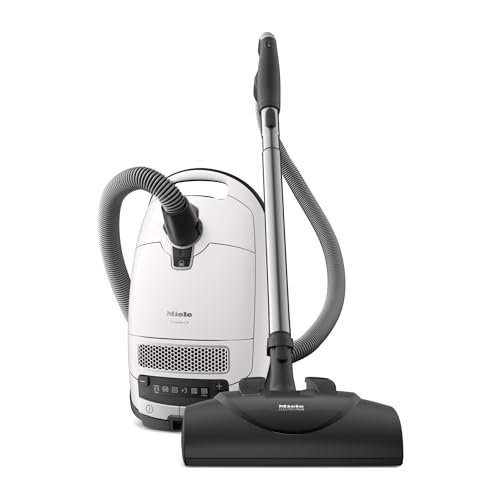
Powerful cleaning: Bagged canister vacuum designed for pet owners with an electrobrush floorhead featuring 5 carpet settings for all carpet types and parquet twister floorhead for smooth floors
The Importance of Filtration Systems
Filtration systems in vacuum cleaners play a significant role in maintaining clean indoor air and effectively capturing various contaminants. HEPA filters are especially notable, as they can trap 99.97% of particles as small as 0.3 microns, greatly improving indoor air quality. Multi-stage filtration systems utilize different filter types to enhance dirt collection, wherein basic filters protect finer filters. While bagged vacuum systems may diminish in suction strength due to filter saturation, models employing cylinder technology can sustain performance by efficiently separating dirt from the air. Regular maintenance of these filters, including cleaning or replacement, is essential for consistent airflow. Additionally, carbon filters in certain models help reduce unwanted odors, ensuring a fresher environment post-vacuuming. Some vacuum cleaners, such as those with UV-C light technology, are designed to not only capture dust but also eliminate allergens like dust mites during use.
Recommended Products

10X HIGHER SUCTION POWER than standard dust collectors and the only dust collection system on the market with high enough levels of static pressure (WC) and airflow (CFM) to effectively capture and contain dust from every tool in the shop with a dust port size of 1” to 5”. BEST DUST COLLECTOR – Popular Mechanics 2020 Tool Awards

TRUE 3-PHASE INDUSTRIAL POWER SYSTEM – Operates on 220V / 3Ø / 15A with a 3 kW (4.0 HP) continuous-duty brushless, air-cooled motor delivering consistent industrial performance. Peak output rated at 6.84 HP for heavy recovery jobs.
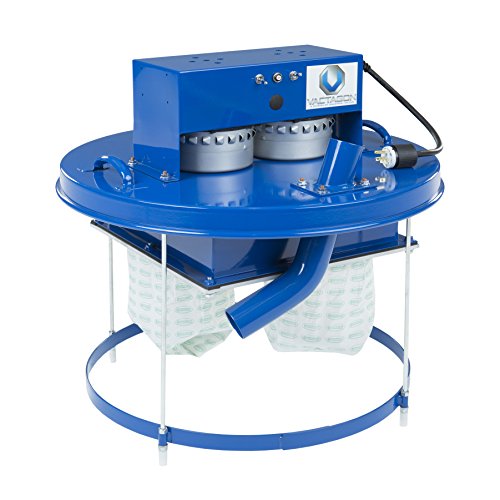
TURN A 55 GALLON DRUM INTO THE BEST VACUUM YOU’ll EVER OWN
Innovations in Vacuum Technology and Design
Innovations in vacuum technology have transformed how dirt and debris are collected and managed in household cleaning. Multi-cyclonic systems enhance dirt separation and improve cleaning efficiency compared to traditional bag systems. Advanced filtration technologies, such as HEPA filters, work to capture 99.97% of particles as small as 0.3 microns, which greatly elevates indoor air quality. Robot vacuums now incorporate smart mapping, allowing them to autonomously navigate homes while adapting to layouts for optimized performance. In addition, the integration of DuoBrush technology prevents hair tangling in brush rolls, enhancing maintenance ease. Some modern vacuum models now feature smart connectivity, enabling users to control them remotely and establish custom cleaning schedules through mobile applications, adding convenience to everyday cleaning tasks. Many mini vacuum cleaners, like the Shark WV201 WANDVAC, offer lightweight and ergonomic designs which make them suitable for quick clean-ups and easy handling in various spaces.
Effective Cleaning Techniques With Vacuum Cleaners
Effective cleaning with vacuum cleaners hinges on several key techniques that enhance their performance. The brush roll, with its motorized function, effectively agitates carpet fibers, dislodging embedded dirt and debris during cleaning. Strong suction capabilities draw in dust and particles through the nozzle, contributing to a low-pressure environment to maximize airflow. Various vacuum models utilize advanced filtration systems, like HEPA filters, which capture up to 99.97% of particles as small as 0.3 microns, remarkably improving indoor air quality. For peak performance, regular maintenance of the dust bin and brush roll is necessary, as clearing blockages allows the vacuum to maintain consistent suction power, ensuring effective cleaning of carpets and living areas, free from allergens and dirt. Additionally, lightweight vacuums under 8 pounds are recommended to avoid damage to delicate Oriental rug fibers, offering easy maneuverability and protection for intricate designs.
Recommended Products

Battery and charger included with Vacuum

Bundle Includes: Genuine Miele TU Hyclean Performance Pack with 16 TU HyClean vacuum bags and 1 Miele HEPA AirClean Filter
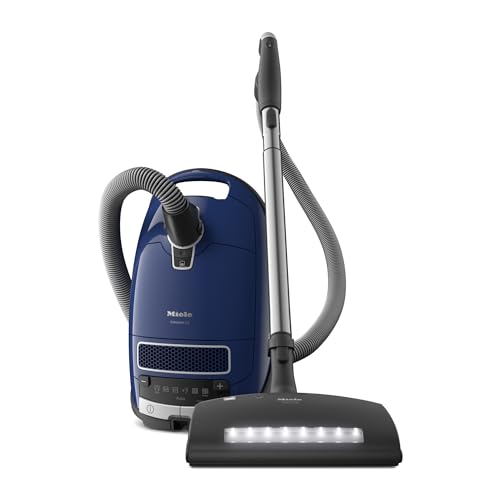
POWERFUL AND QUIET: Bagged canister vacuum optimal for all flooring types with an Electrobrush with LED headlight for carpets and Parquet floorhead for smooth flooring
Maintenance Tips for Optimal Performance
To guarantee peak performance from a vacuum cleaner, regular maintenance is crucial. Users should regularly clean the brush roll to remove hair and debris; a clogged brush can considerably reduce suction and overall cleaning performance. In addition, it is important to inspect and wash or replace filters, particularly HEPA filters, every 6 to 12 months to maintain strong airflow. Users should also check for blockages in the hose and dustbin, as obstructions can hinder efficiency. Worn or broken belts must be replaced promptly to guarantee the brush roll spins effectively. Finally, storing the vacuum in a cool, dry place and avoiding tightly wrapping the cord can extend the life of electrical components and support ideal motor performance. Many models come equipped with a HEPA filtration system, which is crucial for improving air quality by trapping particles as small as 0.3 micrometers.
Frequently Asked Questions
What Does a Brush Roll Do on a Vacuum?
The brush roll functions to agitate and dislodge dirt effectively, employing various designs and materials. Its speed enhances cleanup, while maintenance, compatibility, and innovations contribute to improved performance and benefits in vacuum cleaning efficiency.
Does Vacuum Cleaner Absorb Dust?
Yes, vacuum cleaners excel in dust absorption by leveraging powerful suction, advanced filtration systems, and effective vacuum designs. Maintaining proper filter efficiency guarantees peak performance, minimizing airborne dust particles, and improving overall air quality during surface cleaning.
How to Empty a Vacuum Without Getting Dust Everywhere?
To empty a vacuum without dust dispersal, utilize bagless vacuum advantages, maintain filters, and employ proper dust disposal methods outdoors. Consider eco-friendly options and vacuum cleaner accessories while practicing safe vacuuming techniques to mitigate allergies.
What Is the Technology Behind Vacuum Cleaners?
Vacuum cleaner technology encompasses suction power, advanced filtration systems like HEPA filters, motor technology, and bagless designs. Innovations also include noise reduction features, options for corded vs. cordless models, robotic vacuums, and eco-friendly alternatives, requiring regular maintenance.
Conclusion
In the end, vacuum cleaners exemplify the paradox of modern convenience: devices engineered to liberate homes from dust while simultaneously creating a swirling storm of debris within their chambers. The intricate brush rolls, advanced filtration systems, and various designs work tirelessly to achieve a clean environment, yet the invisible battle against dust continues. With proper maintenance and understanding, each machine serves as both a bulwark and a reluctant participant in the persistent quest for cleanliness.


