As an Amazon Associate, we earn from qualifying purchases. Some links on this site are affiliate links at no extra cost to you. Our recommendations are based on thorough research and editorial judgment.


How to Clean Tiles and Grout Lines With Vacuum and Mop Tools

To clean tiles and grout lines effectively, first sweep or vacuum the area to remove loose debris. Use a vacuum designed for hard floors, employing its crevice tool to access grout lines. Then, mop using a high-quality microfiber mop with a pH-neutral cleaner to avoid damage. For stubborn stains, apply a thick paste cleaner and let it sit. Regular maintenance, including vacuuming and sealing grout, keeps surfaces clean and hygienic. Further details on techniques and products will enhance your cleaning routine.
Key Takeaways
- Begin by vacuuming with a hard floor vacuum to remove loose dirt from tiles and grout lines without causing scratches.
- Utilize attachments like crevice tools to clean around edges and within grout lines effectively.
- Use a high-quality microfiber mop to apply a neutral pH floor cleaner or a homemade soap solution for mopping.
- Mop slowly, managing water use to prevent accumulation in grout lines and enhance debris pickup.
- After mopping, rinse with fresh water and dry the area to maintain cleanliness and prevent odors.
Preparation and Tools for Cleaning Tiles and Grout
Preparation and tools play a critical role in effectively cleaning tiles and grout lines. Proper surface preparation requires removing loose dirt and debris through sweeping or vacuuming, ensuring cleaning agents penetrate effectively. Equipment selection is equally essential; choosing neutral pH floor cleaners protects grout sealant and tile surfaces, while avoiding harsh chemicals is crucial. For homemade cleaning solutions, combining dish soap with hot water provides a gentle detergent. Utilizing sponge or microfiber mops promotes even application of cleaning solutions, while stiff-bristled brushes agitate grime in grout lines. Spray bottles simplify the application of liquid mixtures, and maintaining clean cloths aids in wiping surfaces afterward. These techniques collectively enhance the cleaning process, contributing to peak results. Additionally, using mild cleaning solutions first can help gradually remove stains before moving on to stronger products. Incorporating a vacuum with a HEPA filter can further improve air quality by trapping allergens and dust during the cleaning process.
Recommended Products

Specialty Cleaning and Shine: Restores appearance of luxury vinyl tile and plank flooring; removes embedded grime, light scuffs, and visible surface dullness

☑️ Designed for stone - Cleans effectively without damage unlike general, all-purpose cleaners that can cause dulling. It's pH neutral so it won't wear out your sealant.

Includes 10 Pieces per Case | 9.7 Square Ft. Per Case | Case Weight 48.5 lb |TILE SIZE: 11.81 in. W x 11.81 in. L x 0.38 in. T
Vacuuming Techniques for Tile and Grout Cleaning

Effective vacuuming techniques are essential for maintaining the cleanliness of tile and grout surfaces. Selecting vacuums specifically designed for hard floors is vital; these models should avoid employing brushes that could scratch tiles or grout. Vacuums with strong suction power effectively lift loose dirt and debris from grout lines. Using vacuum attachments, such as crevice tools, allows for thorough cleaning around edges and grout lines, which tend to accumulate more dirt. It is advisable to vacuum slowly over tile surfaces to enhance debris pickup. Conducting a preliminary vacuuming session before wet cleaning prevents dirt from spreading. Regular vacuuming in high-traffic areas reduces dust and grit accumulation, ensuring prolonged cleanliness and reducing the need for deep cleaning. Robot vacuums, such as those from ILIFE, offer features that include strong suction and smart navigation, making them suitable for maintaining cleanliness on both carpet and hard floor surfaces.
Recommended Products

High suction power – 1200 W Odors are neutralized more effectively – Active AirClean filter
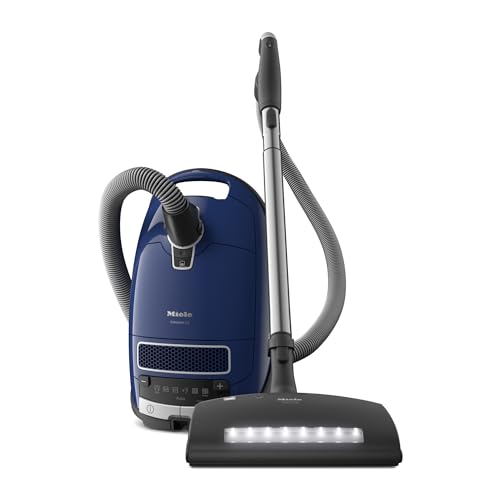
POWERFUL AND QUIET: Bagged canister vacuum optimal for all flooring types with an Electrobrush with LED headlight for carpets and Parquet floorhead for smooth flooring
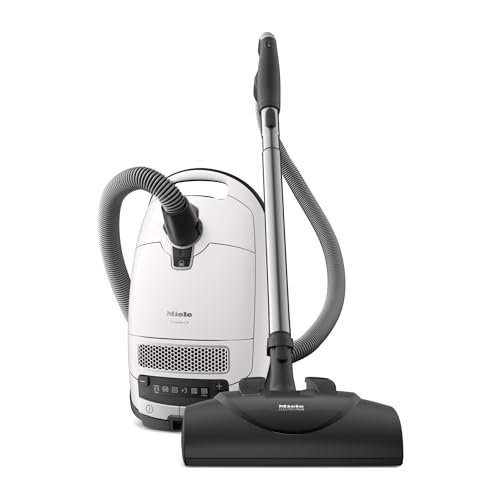
Powerful cleaning: Bagged canister vacuum designed for pet owners with an electrobrush floorhead featuring 5 carpet settings for all carpet types and parquet twister floorhead for smooth floors
Mopping Strategies for Tiles and Grout

Maintaining cleanliness in tiled areas necessitates effective mopping strategies, particularly for grout lines that can trap dirt. Selecting a high-quality microfiber mop is essential, as it generally outperforms traditional cotton string mops, which are the worst performers for tile cleaning. Effective mopping techniques require attention to water management, as water can accumulate in grout lines, hindering cleanliness. Applying chemical solutions, such as a diluted all-natural DIY mixture, enhances the cleaning process, allowing for efficient grime breakdown. A thick paste is often recommended for stubborn stains, as it can effectively lift dirt from grout lines. A dwell time of 5 to 10 minutes is recommended to optimize results. Eco-friendly options, such as plant-based cleaners, are also worth considering to ensure safe and sustainable cleaning practices. After mopping, rinsing with fresh water and promptly drying the surface is vital to prevent odors and maintain grout line maintenance, ensuring a cleaner environment.
Recommended Products
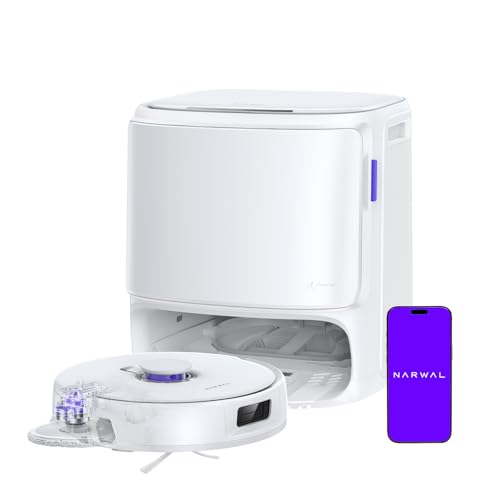
25,000Pa Powerful Suction – Smarter, Deeper Cleaning: Freo Z10 Turbo robot vacuum cleaner removes fine dust, debris, and pet hair with high-powered suction, while intelligent sensors adjust cleaning in real time to helps reduce dirt spread during cleaning and ensure every pass is more effective.

Are you tired of trying to clean your home or business with those lightweight floor cleaners that don’t work? Are you tired of getting on your hands and knees to do the cleaning? Would you like to save a TON of time?

SATIN “GLAZE & SEAL” LOOK – Creates a smooth satin finish that enhances ceramic and porcelain tile while acting like a protective tile glaze topcoat for floors and walls.
Deep Cleaning Grout Lines
Deep cleaning grout lines requires a systematic approach to effectively remove embedded dirt and stains. This process often begins with specialized brushes, such as soft-bristled and nylon, which facilitate deep scrubbing without damaging grout. Circular motions help target buildup while maintaining grout integrity. Various cleaning solutions, including oxygenated and pH-neutral formulas, aid in grout restoration by breaking down organic debris without causing discoloration. It is recommended to segment cleaning tasks, allowing solutions to sit for five to ten minutes. Frequent rinsing of brushes prevents debris accumulation, ensuring efficiency. Following the cleaning process, applying a quality grout sealer offers long-lasting protection against moisture and stains, extending the life of the grout and preserving its appearance. When considering cleaning tools, portable units like handheld vacuums can also be used to maintain tiled surfaces by efficiently removing dirt and debris. Additionally, maintaining clean grout is essential for enhancing both the aesthetic and hygiene of your tiled surfaces.
Advantages of Steam Cleaning Tiles and Grout
Steam cleaning offers a multitude of advantages for maintaining the cleanliness of tiles and grout lines. This method effectively penetrates grout pores, removing embedded dirt and tough stains, leading to grout restoration that renews its original appearance. The high-temperature vapor eliminates harmful bacteria, mold, and dust mites, enhancing both hygiene and indoor air quality. In addition, steam cleaning benefits include a chemical-free process, reducing reliance on harsh cleaning agents, which is particularly useful for homes with children or pets. By preserving the grout’s integrity without erosion, steam cleaning extends the lifespan of both grout and tile surfaces. Additionally, advanced HEPA filtration systems in some vacuum cleaners capture 99.99% of dust, improving air quality. Furthermore, it effectively removes mold and mildew, promoting a healthier indoor environment. Overall, this efficient cleaning method guarantees an exceptional clean while supporting eco-friendly practices, thereby promoting a healthier living environment.
Recommended Products

Built for Daily Commercial Hard Floor Cleaning: Designed for warehouses, factories, schools, hospitals, retail stores, gyms, offices, and facility maintenance teams that need to clean large hard-floor areas more efficiently than mop-and-bucket cleaning. Ideal for routine cleaning on sealed commercial floors.

Excellent results on hard floor coverings including vinyl, tile, brick, slate, moasic, granite and marble.
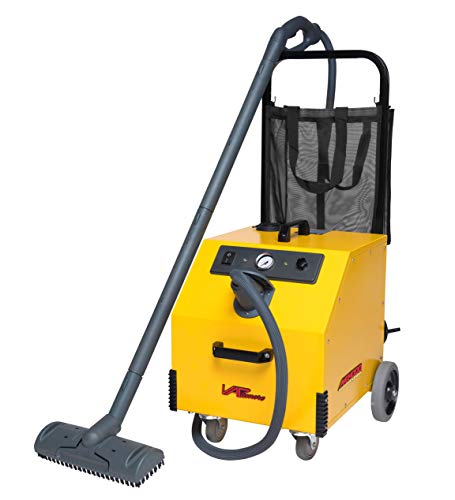
LIFETIME WARRANTY - To illustrate our commitment to quality, each machine (not just the boiler) carries a complete lifetime warranty against manufacturer defects. We also offer USA based phone and email support.
Maintaining Clean Tiles and Grout Using Vacuum and Mop
Keeping tiles and grout clean requires a systematic approach that combines effective vacuuming and mopping techniques. Tile maintenance begins with daily vacuuming, as it prevents dirt from accumulating in grout lines. Using a vacuum designed for hard floors guarantees fine dust is captured effectively. Following vacuuming, applying a mild detergent mixed with warm water for mopping helps clean surfaces without causing damage. It is essential to keep the mop slightly damp to avoid saturating the grout. Regularly changing mop water reduces streaks, enhancing overall cleanliness. For thorough grout care, employing a grout brush aids in removing stubborn stains, which should be followed by wet vacuuming to eliminate loosened dirt. Additionally, it is important to note that sealing grout is essential for preventing future stains, ensuring long-lasting tile and grout cleanliness. For enhanced cleaning performance, HEPA filters in vacuums capture 99.97% of particles as small as 0.3 microns, ensuring clean air. Adopting these practices results in long-lasting tile and grout cleanliness.
Best Cleaning Products for Tile and Grout
Selecting the right cleaning products for tile and grout is essential for maintaining surfaces in peak condition. Black Diamond Ultimate Grout Cleaner stands out among the best household cleaners, effectively removing tough stains, grease, and grime. It is non-toxic and safe for families, making it a solid choice. Zep Grout Cleaner and Brightener uses an acidic formula to target stubborn stains efficiently. For eco-friendly options, CLR Pro Grout Cleaner is biodegradable and safe for various tile types. Alkaline cleaners, such as PowerMax, excel in removing grease, while acid-based cleaners can dissolve calcium deposits. The gel format of OxiClean MaxForce adheres to surfaces, enhancing stain removal. For maintaining optimal cleaning performance, using a vacuum cleaner with HEPA filtration can help capture allergens and improve air quality. Regular cleaning not only helps remove dirt but also prolongs grout lifespan and maintains tile aesthetics. Each option offers distinct benefits for ideal tile and grout cleaning.
Recommended Products

Includes 5 drip-proof bags, Yellow Sponge trowel (11"x 5"x 1-1/4") with Handle, Grate, Wheels

Powerful Pine Cleaner - Experience a deep clean with PineSweep, the ultimate pine cleaner. This all-purpose gel tackles grease, grime, and dirt on any surface, leaving behind a long-lasting, refreshing pine scent. Use it to clean kitchens, bathrooms, and more for a spotless finish every time.

🔹 FAST-ACTING FORMULA: Our tile grout cleaner is specially formulated to quickly dissolve epoxy grout haze and tough coatings from both vertical and horizontal surfaces. May it be granite, slate, ceramic or porcelain, you can say goodbye to stubborn grout residues and coatings with ease.
Tips for Preventing Grout Stains
Employing effective strategies to prevent grout stains is essential for maintaining the cleanliness and appearance of tiled surfaces. Quality grout protection begins with applying a reliable grout sealer that creates a barrier against moisture and stains, which allows for easier cleaning. Different types of grout, such as sanded, unsanded, and epoxy, require appropriate sealing techniques for maximum stain prevention. Regular resealing is necessary every one to two years, with increased frequency in high-moisture areas like bathrooms and kitchens. Additionally, using non-porous epoxy grout can prevent dirt from penetrating. Implementing walk-off mats at entrances and using rugs in high-traffic areas further reduces dirt and moisture contact on grout lines, ensuring long-term cleanliness and durability. Remember, grout’s porous nature can lead to moisture absorption if not properly sealed. Selecting durable materials for cleaning tools, such as vacuum hose extensions, contributes to maintaining the longevity and effectiveness of cleaning routines.
Scheduling Regular Cleaning Sessions
Regular cleaning sessions play a significant role in maintaining the appearance and hygiene of tiled surfaces, particularly in high-traffic and high-moisture areas. Effective cleaning frequency can greatly depend on the specific room. For example, kitchens require dry sweeping or vacuuming 1-2 times per week and biweekly wet mopping. Bathrooms need quick surface wipe-downs 2-3 times weekly and thorough weekly cleanings to mitigate mold risks. For routine maintenance, deep grout cleaning should occur every 1-3 months, varying by room usage. In addition, sealing grout every 6-12 months is essential. Regular maintenance adheres to these structured schedules helps prevent buildup, supports a hygienic environment, and extends the life of tile and grout, ultimately ensuring spaces remain clean and visually appealing. Investing in powerful suction capabilities when choosing cleaning tools can enhance the effectiveness of these maintenance routines.
Frequently Asked Questions
Can I Use Vinegar on My Tile and Grout?
Using vinegar on tile and grout can offer benefits, such as removing dirt and grime, but its acidic nature may damage unsealed grout. Safe alternatives include baking soda paste and commercial cleaners designed specifically for grout.
How Often Should I Clean My Tiles and Grout?
How can one maintain a pristine home environment? Regular tile and grout cleaning should occur weekly, with deep cleaning and grout sealing every 6–12 months to prevent stains and enhance appearance, ensuring lasting cleanliness.
What Type of Mop Is Best for Tile Floors?
Microfiber mops are considered the best for tile floors due to their absorbency and gentleness, minimizing scratches. While sponge mops provide strong scrubbing power, they may push dirty water into grout, making them less ideal.
Are There Any DIY Grout Cleaning Solutions?
Several homemade cleaning solutions exist for grout, including baking soda and hydrogen peroxide pastes. Effective grout scrubbing techniques involve applying these mixtures, allowing them to sit, and using a brush for thorough cleaning of the grout lines.
How Can I Protect My Grout From Stains?
To protect grout from stains, sealing grout is essential. Regular grout maintenance, including reapplication of sealers and prompt spill cleanup, helps preserve grout integrity, preventing moisture absorption and minimizing staining risks in high-traffic and wet areas.
Conclusion
In summary, while cleaning tiles and grout may seem like an intimidating task, the use of vacuum and mop tools can simplify the process immensely. Ironically, many homeowners overlook these basic techniques, opting instead for complicated methods. By following the outlined strategies for preparation, vacuuming, and mopping, users can achieve ideal results with minimal effort. Regular maintenance not only preserves cleanliness but also enhances the durability of tiles and grout, turning a potential nightmare into an achievable routine.


