As an Amazon Associate, we earn from qualifying purchases. Some links on this site are affiliate links at no extra cost to you. Our recommendations are based on thorough research and editorial judgment.


How to Dispose of Old Vacuums and Batteries Responsibly

To dispose of old vacuums and batteries responsibly, one must first identify battery types, such as alkaline or lithium-ion, and remove them from vacuums before recycling. Many vacuum components are recyclable, yet only a fraction is properly disposed of. Utilize local resources like Earth911 for recycling centers, and follow safe practices for battery storage and disposal. Participating in manufacturer trade-in programs can also be beneficial. Further insights on effective disposal methods can enhance sustainable practices.
Key Takeaways
- Identify and remove batteries from vacuums, covering terminals with non-conductive tape to prevent short circuits before disposal.
- Use Earth911’s Recycling Search or local solid waste districts to locate e-waste recycling centers for vacuums and batteries.
- Participate in manufacturer trade-in programs to recycle old vacuums and upgrade to more efficient models.
- Keep rechargeable batteries separate from regular waste, recycling them through designated programs or events in your community.
- Follow local guidelines for electronic waste disposal to minimize environmental impact and promote responsible recycling practices in your area.
Understanding the Importance of Responsible Disposal
Often, individuals overlook the significance of responsible disposal when it comes to old vacuums and batteries. Improper disposal can lead to hazardous waste, contaminating soil and water supplies with toxic chemicals like lead and cadmium. Understanding the environmental impacts of neglecting proper recycling is essential, as these materials can disrupt ecosystems and pose risks to public health. Local recycling centers offer disposal options tailored for batteries, ensuring they are managed safely and effectively. Many states have strict regulations regarding battery disposal, highlighting their hazardous nature. Engaging in responsible disposal practices not only conserves resources by promoting recycling but also raises community awareness about sustainability and environmental preservation. Such efforts contribute to safer, healthier environments for all. Utilizing biodegradable and eco-friendly options, such as activated charcoal filters, can further aid in reducing environmental impact by minimizing reliance on chemical air fresheners.
How to Identify Different Types of Batteries

Identifying different types of batteries is a key step in ensuring their proper disposal and recycling. Batteries fall into several categories, including alkaline batteries, commonly used in household items like remotes, and rechargeable batteries, such as lithium-ion and Nickel Cadmium (Ni-Cd) used in electronics. Lead-acid batteries, primarily found in vehicles, contain hazardous materials that require strict regulations for safe disposal. Additionally, lithium single-use batteries, powering cameras and smoke detectors, necessitate specialized recycling. Users should also recognize the difference between user-removable and non-removable batteries, as improper disposal methods vary. Many local recycling programs facilitate battery recycling, ensuring the safety of both people and the environment, while properly managing electronic parts and materials involved. High-efficiency vacuums often feature washable HEPA filters, which can be rinsed, air-dried, and reused, contributing to easy maintenance and longer-lasting performance.
Recommended Products

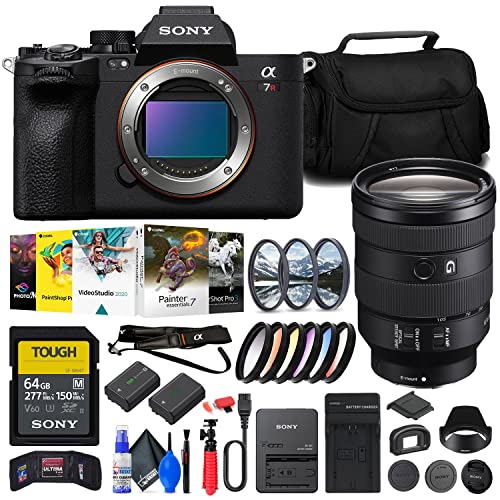
Items Include: 1 x Sony a7R V Mirrorless Camera, 1 x Sony FE 24-105mm f/4 G OSS Lens, 1 x 64GB Memory Card, 1 x 3 Piece Filter Kit, 1 x Graduated Color Filter Kit, 1 x Photo Software With PhotoMirage, AfterShot, Painter Essentials, PaintShop Pro, and Video Studio, 1 x Soft Bag, 1 x NP-FZ100 Battery, 1 x NP-FZ100 charger, 1 x Memory Card Reader, 1 x 12_inch Flexible Tripod, 1 x Memory Card Wallet, 1 x Cleaning Kit

Sony a7S III Mirrorless Camera -12MP Full-Frame Exmor R BSI CMOS Sensor, UHD 4K 120p Video, 10-Bit 4:2:2 Internal, 16-Bit Raw Output, HLG & S-Cinetone, 759-Point Fast Hybrid AF, 9.44m-Dot QXGA OLED EVF, 3.0" 1.44m-Dot Vari-Angle Touchscreen, 5-Axis SteadyShot Image Stabilization, Extended ISO 40-409600, 10 fps Shooting, Dual CFexpress Type A/SD Card Slots
Effective Battery Recycling Methods

How can individuals assure they recycle batteries in a manner that is both responsible and effective? To guarantee proper recycling, individuals can utilize resources like Earth911’s Recycling Search, which helps locate local recycling centers that accept batteries. It is essential to remember that rechargeable batteries contain hazardous materials, requiring recycling through designated programs. Covering the terminals with non-conductive tape before storing batteries prevents potential hazards. Additionally, individuals should consult local solid waste districts for information on battery collection programs and e-waste recycling events. By actively participating in these initiatives, individuals can prevent toxic metals from polluting landfills, reclaim valuable materials, and promote environmental safety, minimizing the demand for new resource extraction in the process. Advanced filtration systems in modern vacuums capture allergens efficiently, which is crucial for allergy sufferers seeking better air quality.
Recommended Products

SUPERIOR POWER OUTPUT - Delivers consistent and reliable illumination for professional-quality photos, ensuring every shot is perfectly lit with the Profoto A10's advanced flash technology.
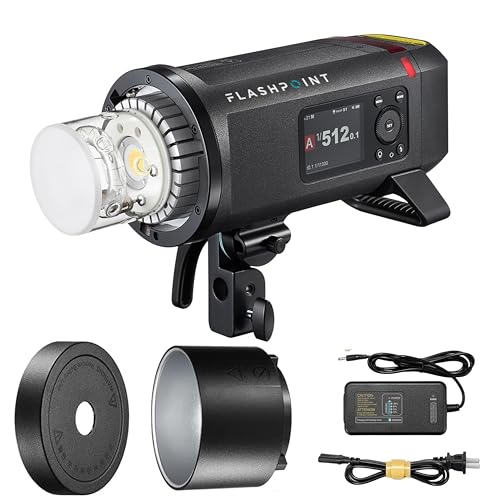
🔹PROFESSIONAL 800Ws OUTDOOR FLASH POWER: Powerful 800Ws battery monolight designed for demanding location and studio photographers. The Flashpoint XPLOR 800 Pro delivers studio-class output in a compact, portable body—perfect for portraits, fashion, sports, commercial, and outdoor daylight shooting.

STUDIO QUALITY LIGHT: This Wireless Studio Flash offers 600Ws, 9 steps of power adjustment (1/1 to 1/256) for better light effects, 5600±200K. Can be used in combination with Flashpoint TTL Camera Strobe Light and other TTL Outdoor Flashes
Preparing Batteries for Proper Recycling
Proper preparation is a fundamental step in ensuring batteries are recycled safely and effectively. To dispose of a vacuum with an attached battery, one must first remove the battery from the device. Batteries are typically classified into various types, including single-use and rechargeable batteries. To prepare for recycling, cover the terminals of both types with non-conductive tape to prevent short circuits during transport. Moreover, store the batteries in a non-conductive container, such as cardboard or plastic boxes, away from conductive materials. If mailing batteries for recycling, it is essential to follow specific shipping safety requirements and packaging guidelines. Finally, individuals should verify local recycling options to understand specific recycling laws regarding different types of batteries in their area. Consideration of advanced filtration systems in newer vacuum models can also contribute to better environmental practices by reducing allergens and dust released into the air.
Recommended Products
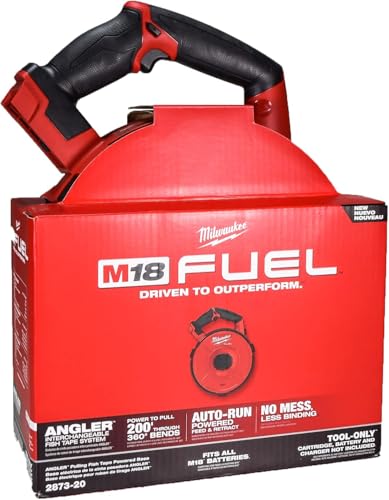
Tape automatically retracts into drum for a cleaner jobsite

Container for Wide range of Lithium Batteries -- Easily recycle various lithium batteries from diverse devices, promoting hassle-free disposal and reducing electronic waste. Hold up to 41.8 lbs of Lithium batteries.
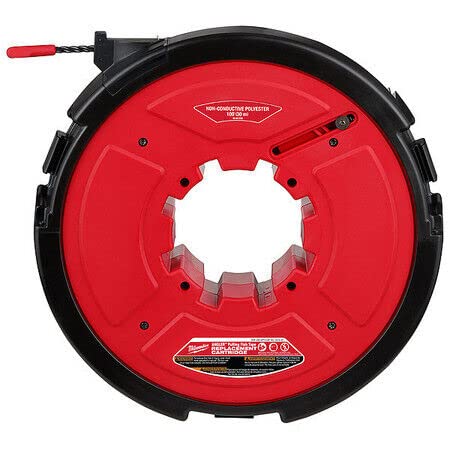
The steel fish tape puller features AUTO-RUN Powered Feed and Retract that eliminates manual operation for less user fatigue and automatically reels the tape back into the drum for a cleaner jobsite.
Best Practices for Vacuum Cleaner Disposal
Responsible vacuum cleaner disposal is vital for minimizing environmental impact and maximizing sustainability efforts. To dispose of old vacuums properly, individuals should identify local recycling centers that accept e-waste, as many municipalities have designated drop-off points for small appliances. Additionally, retailers and manufacturers often provide trade-in programs, which allow customers to return outdated vacuums in exchange for credits toward new products, promoting responsible disposal. For robotic vacuums, removing lithium-ion batteries before disposal is essential, as these batteries contain hazardous materials that require specific recycling methods. By recovering valuable materials through these efforts, communities can greatly reduce environmental pollution, enhance sustainability initiatives, and prevent excess landfill waste, thereby contributing to a healthier planet for future generations. A quieter cleaning environment can be achieved with models under 70 decibels which offer efficient performance while reducing noise pollution.
Recommended Products

PERFECT FOR COMMERCIAL SPACES - Extra-large capacity and an open lid make this an ideal choice for hotel lobbies, restaurants or banquet rooms.

SPACE-SAVING DESIGN - LARGE CAPACITY, SMALL FOOTAGE – We’ve eliminated the need for an inner bucket liner so there’s more capacity. Fit more trash into each bag so you can empty it less frequently.

SPACE-SAVING DESIGN - LARGE CAPACITY, SMALL FOOTAGE – We’ve eliminated the need for an inner bucket liner so there’s more capacity. Fit more trash into each bag so you can empty it less frequently.
Donation and Resale Opportunities for Vacuums
Many individuals seek opportunities to give new life to their old vacuums through donation or resale options. Functional vacuums can markedly benefit local charities and shelters by assisting families in need, while also extending the appliance’s lifecycle. Thrift stores, including Goodwill and Habitat ReStore, often welcome working vacuums, promoting community benefit and reducing landfill waste. Online marketplaces such as Craigslist, eBay, and Facebook Marketplace provide ample platforms for individuals to sell or give away gently used vacuums, encouraging community sharing to reduce waste. Before donation or resale, it is essential to confirm that the vacuum is in good working condition, maximizing usefulness. Clear photos and honest descriptions can enhance the chances of successful donation or sale efforts, especially among budget-conscious buyers. Additionally, some vacuum models, like those with HEPA filtration systems, can be particularly appealing to allergy-conscious consumers due to their ability to capture dust and allergens effectively.
Manufacturer Trade-In Programs for Old Vacuums
Manufacturer trade-in programs for old vacuums offer a practical solution for consumers looking to dispose of outdated appliances while gaining benefits in return. Brands like eufy encourage customers to send in their old vacuums for recycling, which promotes environmentally responsible disposal. By participating, consumers can receive discounts or credits towards new energy-efficient models, thereby reducing their overall electrical consumption. These programs often provide detailed guidelines for safe shipping and disposal, ensuring compliance with environmental regulations. Such initiatives contribute to a circular economy and support sustainable practices in electronic product lifecycle management, recovering valuable materials from obsolete vacuums. Strong suction power over 25 KPa is recommended for effective carpet cleaning, ensuring efficient performance in new models. Overall, manufacturer trade-in programs facilitate responsible recycling while helping consumers upgrade their cleaning technology.
Recommended Products

· FITMENT | 2004 - 2014 Ford F-150 w/out factory stepgate

· FITMENT | 1999 - 2016 Ford Super Duty w/out Factory Stepgate
Environmental Impact of Improper Disposal
The environmental impact of improper disposal of vacuums and batteries is significant, highlighting urgent challenges faced by communities and ecosystems. Discarding these items improperly can lead to soil and water contamination, as toxic chemicals and heavy metals like mercury and cadmium seep into natural resources. This contamination poses serious health risks to both humans and wildlife. With about 80% of vacuum components being recyclable, many still end up in landfills, contributing to the e-waste crisis, which generates over 50 million tons annually. Incinerating electronic waste also releases hazardous pollutants into the air, increasing respiratory issues in nearby communities. Prioritizing e-waste recycling is essential not only to reduce allergens but also to mitigate these environmental impacts effectively. Investing in durable construction for cleaning tools can further reduce waste by extending the lifespan of vacuum components.
Frequently Asked Questions
Can You Throw Away Old Vacuums?
Throwing away old vacuums is discouraged due to safety concerns and environmental impact. Eco-friendly options include local recycling programs, donation opportunities, and vacuum parts recycling, adhering to hazardous waste regulations for responsible vacuum disposal methods.
Does Home Depot Really Recycle Batteries?
Home Depot does indeed recycle batteries, providing designated bins for battery collection. Their recycling programs promote responsible waste management, mitigate electronic waste impacts, and align with local regulations, contributing positively to the environment through proper battery disposal.
How to Throw Away a Vacuum Battery?
To throw away a vacuum battery, follow proper disposal methods: safely remove the battery, adhere to hazardous waste guidelines, utilize local recycling programs, and choose eco-friendly options to guarantee responsible appliance waste management and battery recycling.
Can You Throw Out Batteries in the Garbage?
Batteries should not be thrown in the garbage due to battery disposal guidelines. Instead, individuals are encouraged to utilize battery collection programs, recycling car batteries, and disposal drop-offs to mitigate the environmental impact of toxic battery components.
Conclusion
In conclusion, disposing of old vacuums and batteries requires attention to detail and adherence to proper methods. Coincidentally, responsible disposal not only keeps our environment cleaner but also guarantees the safety of future generations. By understanding recycling options, preparing items appropriately, and considering donation or trade-in programs, individuals can make informed choices. Each decision contributes positively, creating a ripple effect that enhances community awareness and encourages sustainable practices, ultimately benefiting both people and the planet.


