As an Amazon Associate, we earn from qualifying purchases. Some links on this site are affiliate links at no extra cost to you. Our recommendations are based on thorough research and editorial judgment.


How to Minimize Fine Dust When Emptying a Bagless Vacuum Bin

To minimize fine dust when emptying a bagless vacuum bin, guarantee the vacuum is off and locate the bin outdoors. Use compostable liners or large plastic bags to contain dust during disposal. Lightly mist the bin with water beforehand to settle particles. Empty the bin regularly, ideally after reaching the MAX level, and seal the bag tightly to prevent dust escape. For additional strategies on effective vacuum maintenance and filtration, further insights are available.
Key Takeaways
- Empty the vacuum bin outdoors on calm days to minimize dust dispersal indoors.
- Use compostable liners or large plastic bags to contain dust while emptying.
- Lightly mist the inside of the vacuum bin before emptying to weigh down dust particles.
- Seal the bag tightly after disposal to prevent dust escape, doing so in well-ventilated areas.
- Regularly empty the bin to avoid compaction of debris and maintain optimal suction efficiency.
Importance of Emptying the Vacuum Bin Properly
Emptying the vacuum bin properly holds significant importance for maintaining a clean indoor environment. When users do not empty their vacuum, dust clouds can form, releasing allergens such as pet dander and other fine particles into the air. To mitigate this issue, employing methods like using a compostable bag or bin liner can help contain loose dust during disposal. Regularly emptying the vacuum bin after a few uses prevents compaction, making subsequent disposal cleaner and easier. Furthermore, emptying the vacuum outdoors or into designated dust containers further reduces the release of dust indoors. Following manufacturer guidelines for emptying the vacuum not only maintains ideal suction performance, but also helps extend the lifespan of the device, which is essential for efficient cleaning. Additionally, HEPA filtration systems are integral in capturing allergens effectively, improving indoor air quality by ensuring that fine particles are trapped during the vacuuming process.
Recommended Products

Northern Technologies - NT1025-X-00011 - 45 Gallon Compostable Liners


CERTIFIED COMPOSTABLE: These EcoSafe compostable trash bags/ garbage bin liners are BPI certified compostable and CMA approved for food waste disposal (BPI Cert #890992).
Best Times to Empty Your Vacuum Bin

A regular schedule for emptying a vacuum bin greatly contributes to maintaining its efficiency and effectiveness. It is best to empty the vacuum bin after every few uses or when the dust reaches the MAX level indicator. This practice prevents debris from compacting, which can reduce suction power. Additionally, emptying outdoors helps minimize fine dust clouds in living spaces and promotes better air quality. Timing is also essential; it is advisable to empty the vacuum bin during calm conditions, avoiding windy days. Morning or late evening is ideal, as dust levels indoors are usually lower, decreasing overall exposure. Regularly adhering to this routine enhances the vacuum’s performance and greatly reduces the release of fine dust. Utilizing a HEPA filtration system can further improve air quality by capturing 99.97% of allergens, ensuring cleaner indoor environments.
Recommended Equipment for Dust Protection

Selecting the right equipment for dust protection greatly enhances the process of emptying a vacuum bin. Utilizing compostable Brown Bin Liners can effectively contain fine dust, minimizing airborne particles during the process. By securing the liner over the dust bin with an elastic band, dust escapement is considerably reduced. Additionally, lightly misting the inside of the vacuum bin with a damp cloth or spray bottle helps weigh down loose particles, further decreasing dust spread. Employing bagless vacuum cleaners that feature an Anti-Allergen Complete Seal enhances allergen and fine particulate containment, ensuring cleaner air quality. Many modern vacuums include advanced HEPA filtration systems that trap 99.99% of allergens and dust particles, contributing to a healthier indoor environment. Finally, emptying the vacuum bin outdoors or into a dedicated waste bin is advisable to limit indoor dust exposure, promoting a healthier home environment.
Recommended Products

CERTIFIED COMPOSTABLE: These EcoSafe compostable trash bags/ garbage bin liners are BPI certified compostable and CMA approved for food waste disposal (BPI Cert #890992).

CERTIFIED COMPOSTABLE: These EcoSafe compostable trash bags/ garbage bin liners are BPI certified compostable and CMA approved for food waste disposal (BPI Cert #890992).
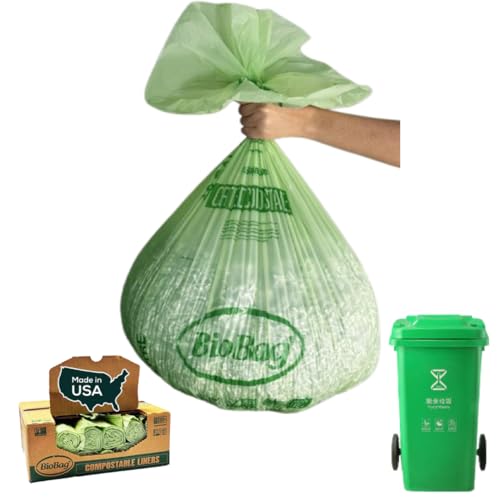
Reduce labor costs by protecting containers and keeping them clean
Step-by-Step Guide to Emptying the Bin
When the time comes to empty the vacuum bin, it is crucial to follow a structured approach to minimize dust dispersal effectively. First, make sure the vacuum is turned off, then position the dust bin over a trash bag or bin to contain any escaping dust. Next, use a compostable bin liner or a large plastic bag to cover the bin while pressing the release button. This method greatly reduces airborne dust. Once emptied, seal the bag tightly to prevent dust from escaping back into the living area. For best results, consider performing this task outdoors or in a well-ventilated area. Regularly emptying the bin also lessens debris compaction, allowing for easier disposal with minimal dust creation. When selecting a vacuum, consider models like CRAFTSMAN 16 Gallon with powerful suction and large capacity tanks that minimize the frequency of needing to empty the bin.
Techniques for Reducing Dust Dispersal
To effectively reduce dust dispersal during the vacuum bin emptying process, employing specific techniques can yield high-quality results. One notable method involves using a compostable Brown Bin Liner placed over the dust canister to capture vacuum dust as it is disposed. Additionally, pressing the release button while directing the contents into a secured bag helps contain dust effectively. After emptying, sealing the bag by twisting it shut prevents any residual dust from escaping. Regularly emptying the bin after a few uses, rather than allowing it to overfill, reduces the likelihood of compacted dirt creating dust clouds. Moreover, lightly spraying water inside the bag before emptying can settle fine particles, enhancing the efficiency of HEPA filter systems. Using a self-cleaning cycle feature found in some vacuum models can also help maintain the cleanliness and efficiency of the vacuum, reducing the buildup of fine dust.
Eco-Friendly Disposal Methods
Eco-friendly disposal methods, which prioritize sustainable practices, can greatly impact waste reduction and environmental health. Using compostable Brown Bin Liners to empty a bagless vacuum bin effectively contains dust while promoting green disposal. Securing the compostable bag with an elastic band around the dust canister minimizes exposure during disposal. By pressing the button to release vacuum contents directly into the bag, fine dust clouds can be prevented from escaping into the environment. Twisting the filled bag to seal it guarantees dust remains contained until it is disposed of properly. In addition, composting natural materials from vacuum contents, such as pet hair and dirt, supports sustainable gardening, contributing to waste reduction and fostering an eco-friendly approach compared to conventional bagged vacuum disposal methods. To further enhance eco-friendliness, consider using a washable filter within the vacuum, as it reduces maintenance costs and waste, prolonging the life of the appliance.
Maintaining Your Vacuum for Optimal Performance
Maintaining a vacuum for ideal performance involves a systematic approach that includes regular inspections and cleaning of key components. First, users should inspect and clean vacuum filters frequently, as clogged filters can diminish suction power and performance. Scheduled maintenance tasks also include checking hoses and attachments for blockages, which guarantees efficient operation and prolongs the vacuum’s lifespan. Keeping the dust cup clean and fully dry is essential; this prevents the build-up of dust and debris that can hinder suction. Additionally, monitoring the dust bin levels is critical to avoid overfilling, which can compact debris and reduce cleaning effectiveness. Proper maintenance of all accessories assures access to the right tools, allowing for thorough cleaning across various surfaces with ease. Regular filter maintenance is crucial, as many models feature washable filters that promote eco-friendliness.
Understanding the Different Vacuum Types
Vacuum cleaners come in various types, each designed to meet specific cleaning needs and preferences. Bagged vacuums collect dust and debris in sealed bags, which minimizes dust clouds during emptying. In contrast, bagless models utilize transparent bins, allowing visibility of collected debris but increasing dust exposure risk when emptied improperly. Corded vacuums provide uninterrupted power, making them suitable for larger homes, while cordless vacuums offer convenience and portability for smaller spaces. Upright vacuums excel at dirt removal on carpets, while canister vacuums are versatile with additional attachments for various surfaces, including upholstery and hard floors. Employing a bin liner can aid in the disposal process and keep the area cleaner, regardless of the vacuum’s type. For cleaning tasks on hard surfaces, stiff bristles are suitable for tackling tough grime effectively.
Setting Up a Cleaning Routine
When setting up a cleaning routine, creating an organized and efficient process can greatly enhance the effectiveness of home maintenance. Establishing a regular schedule, such as emptying the vacuum bin after every few uses, helps prevent dust compaction. Choosing calm days for this task is a good idea, as it reduces the dispersal of dust during the process. Utilizing a compostable liner during bin emptying can further contain dust and simplify disposal. Additionally, maintaining a dedicated trash can for vacuum waste keeps the area tidy and minimizes exposure to particles. Regular cleaning and drying of the vacuum’s dust cup will also prevent build-up, contributing to reduced dust release. Using chemical-free formulations can provide reassurance for families with pets while ensuring a safe cleaning environment. Careful planning guarantees a more effective and cleaner home.
Monitoring Dust Levels and Vacuum Maintenance
Effective management of dust levels hinges on consistent monitoring and maintenance practices tailored to the vacuum’s performance. Regularly inspecting and emptying the vacuum bin when it reaches the MAX level indicator prevents overfilling and compacting debris. This practice reduces the potential for dust release during bin emptying. Additionally, scheduling routine maintenance, such as cleaning or replacing filters, enhances suction power and minimizes dust expulsion. Monitoring for blockages in hoses or attachments is crucial, as restrictions can hinder airflow and increase the likelihood of fine dust dispersing. Keeping a log of vacuuming frequency and bin emptying intervals establishes an effective maintenance routine, while using a dedicated trash can near the vacuuming area aids in managing fine dust exposure during disposal. Incorporating vacuums with high-quality filters that effectively capture 99.9% of particles can significantly improve indoor air quality and reduce fine dust exposure during regular maintenance.
Tips for Cleaning and Caring for Your Vacuum Bin
Maintaining a clean vacuum bin noticeably impacts its overall performance and longevity. Regular cleaning prevents dust build-up, which can hinder suction power and airflow. After emptying, it’s advisable to wash the vacuum bin with warm soapy water and allow it to dry completely before reattaching it, to avoid mold and odors. During routine maintenance, one should inspect the vacuum filter; a clogged filter considerably reduces performance and increases the release of a cloud of dust when emptying the bin. To further minimize fine particles, using a damp cloth to wipe the interior can effectively trap dust. Finally, avoid emptying the bin over a trash can indoors; instead, consider taking it outside or using a dedicated bag to reduce dust dispersal.
Frequently Asked Questions
How to Empty a Vacuum Without Getting Dust Everywhere?
To empty a vacuum without dust scattering, effective dust containment strategies are essential. Proper vacuum maintenance, including cleaning the dust cup regularly, notably reduces dust clouds, ensuring a cleaner disposal process and a healthier environment.
What Is the Simple Trick to Eliminate Dust?
To eliminate fine dust, regularly perform vacuum maintenance by using a compostable bag to contain debris during disposal. This method effectively minimizes airborne dust, ensuring a cleaner environment while efficiently emptying the vacuum’s canister.
Can You Vacuum Fine Dust?
Yes, fine dust can be effectively vacuumed using a HEPA filter vacuum. Maintaining vacuum safety is essential; regular filter cleaning guarantees peak performance and minimizes the release of particles back into the air during use.
How to Empty a Vacuum Without a Bag?
To empty a vacuum without a bag, one must guarantee dust containment through proper technique. By securing a compostable liner and regularly performing vacuum maintenance, they can effectively manage dust while minimizing its dispersion.
Conclusion
In conclusion, minimizing fine dust while emptying a bagless vacuum bin requires attention and proper techniques. By understanding the best practices for timing, equipment, and cleaning routines, users can markedly reduce airborne particles. Just as a well-tended garden flourishes, a properly maintained vacuum system will enhance your home environment. Regular monitoring and care of the vacuum will guarantee lasting performance, contributing to a cleaner living space and improved air quality for all occupants.


