As an Amazon Associate, we earn from qualifying purchases. Some links on this site are affiliate links at no extra cost to you. Our recommendations are based on thorough research and editorial judgment.


Is Vacuuming Enough for Pet Allergies? What Research Suggests

Vacuuming alone is often inadequate for managing pet allergies. Research shows it can reduce some allergens, but it may temporarily increase airborne levels during the process. Water-filter vacuums and certain bagless models can release significant allergen concentrations. Models equipped with HEPA filters capture 99.97% of allergens, and bagged upright designs generally perform better. Effective allergy management also requires alternative cleaning methods and regular maintenance. Further exploration reveals additional strategies to enhance a healthier indoor environment.
Key Takeaways
- Vacuuming alone is insufficient for managing pet allergens, as it can temporarily increase airborne allergen levels during the cleaning process.
- Bagged vacuum cleaners generally perform better at capturing allergens compared to bagless models and have less allergen re-release.
- Regular maintenance, including replacing vacuum bags and cleaning filters, is essential to maintain effective allergen capture and suction power.
- Alternative cleaning methods like wet-mopping and using microfiber cloths can significantly reduce surface allergens along with vacuuming.
- Creating pet-free zones and consulting with an allergist can provide additional strategies for effective allergen management.
Understanding Pet Allergies and Their Causes
Pet allergies arise from various proteins that are present in pet dander, a combination of skin flakes, saliva, and urine. These allergens can linger in the environment for extended periods, posing challenges for affected individuals. Remarkably, cat dander contains Fel d I protein, a common allergen that can remain in homes for up to four months. Symptoms of pet allergies often include sneezing, nasal congestion, and eye irritation, particularly aggravating pre-existing conditions like asthma. It is important to note that no pet is completely hypoallergenic; hairless breeds still produce allergenic proteins. To effectively reduce allergen levels, incorporating high-efficiency particulate air (HEPA) filters into cleaning routines can greatly enhance air quality in homes with pets. Many vacuums now feature HEPA filtration systems that capture allergens effectively, improving indoor air quality, which is particularly beneficial for allergy sufferers.
The Role of Vacuuming in Allergen Management
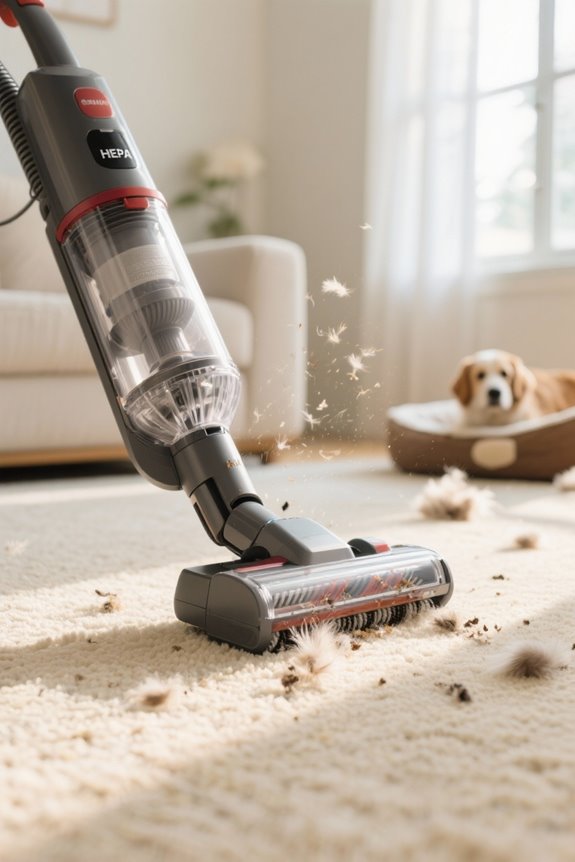
Effective allergen management in homes with pets often requires more than just vacuuming. Research indicates that while vacuuming can remove some allergens, it may also intensify exposure. Inside homes with cats, personal allergen levels can rise by 3.7 times during vacuuming. Certain vacuum cleaners, including those marketed with HEPA filters, did not show significant reductions in allergen release despite manufacturers’ claims to the contrary. Older vacuum models tend to leak more allergens; single-thickness bag cleaners can release between 15 and 90 ng/m³, whereas double-thickness bag models recorded leakage below 0.4 ng/m³. Alternatives like wet-mopping and steam cleaning are recommended, as they help minimize airborne allergens that can be stirred up during vacuuming, thereby enhancing overall allergen control. Additionally, HEPA filters in selected models are beneficial for managing allergens, though their effectiveness can vary based on the vacuum’s design and sealing capabilities.
How Vacuum Cleaners Work: An Overview
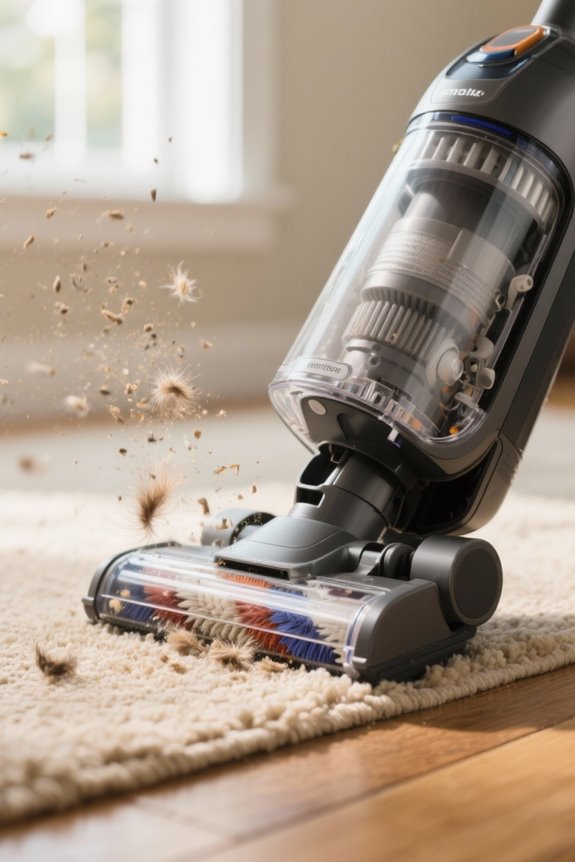
Vacuum cleaners function by harnessing suction to collect dirt, dust, and allergens from various surfaces within a home. These devices typically draw air through a filtration system, with premium models featuring HEPA filters that can trap 99.97% of particles as small as 0.3 microns. Vacuum cleaners can use either bagged or bagless systems; bagged models generally contain dust more efficiently, reducing the risk of allergens escaping into the air during use. Sealed systems in some vacuum cleaners further prevent dust and allergens from leaking out, making them suitable for individuals with allergies. Regular maintenance of filters is essential to maintain optimal performance, as seen in many vacuum models. Regular maintenance, including the replacement of filters and bags, is essential for maintaining the vacuum cleaner’s efficiency in trapping allergens over time.
Recommended Products

Battery and charger included with Vacuum

Industrial strength HEPA vacuum for residential use.
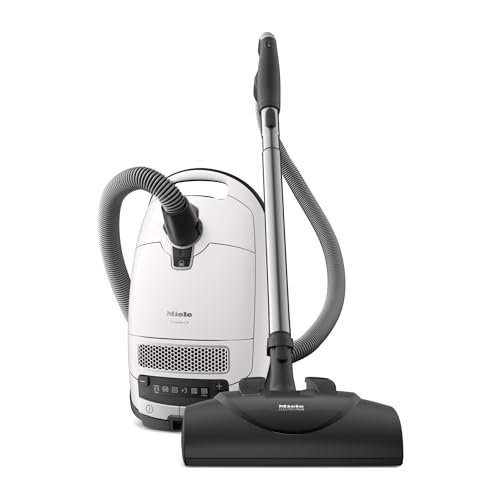
Powerful cleaning: Bagged canister vacuum designed for pet owners with an electrobrush floorhead featuring 5 carpet settings for all carpet types and parquet twister floorhead for smooth floors
Factors Influencing Vacuum Cleaner Effectiveness
Effectiveness in removing allergens from a home depends on several key factors associated with vacuum cleaner design and performance. Research shows that vacuum cleaners with double-thickness dust bags exhibited lower airborne allergen leakage, at less than 0.4 ng/m³ to approximately 5 ng/m³, compared to single-thickness paper bag models, which leaked between 15 to 90 ng/m³. Although vacuum cleaners equipped with HEPA filters are popular, they did not markedly differ in allergen release compared to other models. Additionally, bagged vacuums with sealed systems are generally more effective than bagless models, which may emit allergens during emptying. Water-filter vacuums also tended to release high levels of cat allergens, contributing to increased allergen exposure in homes. Regular maintenance, including cleaning of dust cups, is critical to ensure optimal vacuum performance and reduce allergen exposure.
Recommended Products
1. Hail Protector Truck Cover 360° Reflective & Windproof Design:1)Enhanced Nighttime Safety,360° reflective strips (front/rear/side mirrors) boost visibility in parking lots, reducing collision risks. 2)Storm-Proof Fit,Windproof elastic hem + reinforced front/rear straps keep the cover secure even in strong winds.11)Portable Storage,Includes a compact storage bag for easy transport and storage.

BAGGED UPRIGHT VACUUM: Remove pet hair, dust and more with this multifloor, multi-surface designed vacuum for use in your home, den, or kitchen with a wide sweeper path.Specific uses:Hard Floor

Lift-Up Canister: Simply press a button to quickly transition to a lightweight pod for stairs and above floor cleaning
The Impact of Vacuuming on Airborne Allergens
How considerably does vacuuming influence airborne levels of pet allergens? Research indicates that vacuuming often increases airborne allergens, especially in homes with cats, with personal exposure rising by 3.7 times. Various vacuum cleaner models show differing effectiveness; some may leak allergens at levels up to 90 ng/m³. Importantly, water-filter vacuum cleaners can release cat allergens reaching 100 ng/m³, chiefly in fine particles smaller than 2.5 μm. Although HEPA filters are designed to contain allergens, studies reveal no significant difference in allergen release across various vacuum types, including those with HEPA. Additionally, frequent vacuuming can disturb settled dust and allergens, potentially exacerbating allergy symptoms, making alternative cleaning methods, like wet-mopping, worthy of consideration for managing pet allergies effectively. For those concerned about noise while vacuuming, choosing vacuums with noise levels below 75 decibels can enhance the cleaning experience without adding unnecessary disturbance.
Comparing Different Types of Vacuum Cleaners
Choosing the right vacuum cleaner can greatly impact the management of pet allergies in households. HEPA vacuum cleaners are engineered to capture 99.97% of allergens, although studies reveal that they may not considerably reduce allergen release during use. Contrarily, vacuum cleaners with double-thickness dust bags show a remarkable reduction in allergen leakage, containing levels under 5 ng/m³, while single-thickness bags can emit between 15 to 90 ng/m³. Water-filter models can release high concentrations of cat allergens, measuring up to 100 ng/m³. Cyclonic vacuum designs and older units also demonstrate allergen leakage, underscoring the need for careful selection. Modifications to leaking models can drastically reduce allergen levels from over 90 ng/m³ to below 2 ng/m³, emphasizing the importance of design in allergen containment. HEPA filters capture 99.99% of allergens in various models, making them a crucial component for improved air quality in homes with pets.
Recommendations for Vacuum Cleaner Features
When managing pet allergies, specific features in vacuum cleaners are vital to guarantee effective allergen control. Vacuums equipped with HEPA filters can capture 99.97% of particles, which markedly enhances indoor air quality for allergy sufferers. Bagged upright models typically provide superior air quality due to their enclosed design that contains dust, minimizing allergen escape during disposal. A sealed vacuum system is critical, as it prevents allergens and dust from being released back into the air. Regular maintenance, including filter cleaning and replacement, is necessary for ideal capturing of allergens. Additionally, efficient designs featuring strong suction and dirt sensors help assure thorough cleaning while reducing airborne allergens during the vacuuming process, further supporting allergy management. A multi-cyclonic suction system enhances dirt and debris pickup, contributing to more effective cleaning for those managing pet allergies.
Recommended Products

713 max airwatts, 142 Airflow-CFM, 147 Sealed Vacuum inches waterlift, for homes up to 12,000 sq ft

Bundle Includes: Genuine Miele TU Hyclean Performance Pack with 16 TU HyClean vacuum bags and 1 Miele HEPA AirClean Filter

Powerful cleaning: Bagged canister vacuum cleaner for all floor types, especially heavy duty carpets, with a high suction power of 1200 watts to efficiently eliminate dust from your home
Alternative Cleaning Methods to Control Allergens
To effectively manage pet allergies, households must consider alternative cleaning methods that complement vacuuming. Regularly washing throw rugs in hot water can greatly reduce dust mites, a common allergen found in many homes. Utilizing microfiber or electrostatic cloths for dusting can help minimize disturbing dust, lowering allergen levels effectively. While steam cleaning might not eliminate cat allergens due to their heat resistance, wet-mopping serves as a more suitable alternative for reducing surface allergens. Additionally, opting for hard surface flooring instead of carpets simplifies cleaning and decreases allergen accumulation. Implementing a consistent cleaning schedule promotes overall maintenance, aiding in allergen control. Bagless vacuums offer convenience and cost savings without replacement bags, making them an excellent choice for managing household allergens. Collectively, these methods enhance the overall effectiveness of a household’s cleaning routine and contribute to a healthier living environment.
Importance of Regular Maintenance and Filter Changes
Regular maintenance and timely filter changes are critical components in managing pet allergies effectively, as they considerably enhance a vacuum cleaner’s performance. Clogged or dirty filters hinder suction, allowing allergens to escape back into the air. To optimize allergen capture, HEPA filters should be replaced every 6 to 12 months, following the manufacturer’s recommendations. Additionally, vacuum bags need changing when they are two-thirds full to maintain suction power and minimize allergen leaks. Regularly cleaning the vacuum’s brushes and hoses prevents blockages, ensuring consistent performance during vacuuming. Frequent checks of the vacuum’s suction capabilities are also essential, as these help maintain effective cleaning, thereby further reducing airborne allergens and improving overall home air quality. A vacuum with a High-quality HEPA filter is essential for trapping allergens and significantly improving indoor air quality.
Lifestyle Adjustments for Allergy Sufferers
Implementing lifestyle adjustments plays a significant role in managing pet allergies effectively. Frequent vacuuming can disturb dust and allergens, potentially increasing personal exposure by up to 3.7 times. Therefore, alternative cleaning methods, like wet-mopping, are advisable to minimize allergen spread. Maintaining hard surface flooring instead of carpets can facilitate easier cleaning, as carpets hold more dust and allergens. Additionally, regularly washing rugs and curtains in hot water can eliminate dust mites and cat allergens, contributing to a healthier environment. Creating designated safe zones by keeping pets out of bedrooms and opting for wipeable furniture can also help control exposure to allergens, providing allergy sufferers with a more manageable living situation and reducing overall allergen levels in the home. For those with allergies, using a vacuum with a HEPA filtration system is crucial, as it can trap 99.97% of allergens and improve indoor air quality.
Seeking Professional Help for Allergy Management
Pet allergy management often requires more than just lifestyle adjustments, as professional guidance can enhance outcomes considerably. Consulting with an allergy specialist enables individuals to receive tailored strategies for controlling exposure to cat allergens. Specialists can conduct skin prick or blood tests to identify specific sensitivities, ensuring that management approaches target the most problematic allergens. Allergen immunotherapy, often prescribed by these professionals, can gradually desensitize patients, leading to long-term relief. Additionally, allergy specialists help create thorough cleaning regimens, combining effective vacuuming with air filtration systems and thorough surface cleaning to minimize allergens within living spaces. Ongoing evaluation by an allergist allows for adjustments in treatment plans, keeping pace with evolving allergy symptoms and environmental factors.
Frequently Asked Questions
Does Vacuuming Help With Pet Allergies?
Vacuuming may help manage pet allergies, but its effectiveness depends on techniques used. Poor methods can stir up pet dander and allergy triggers, potentially increasing exposure, while better techniques are necessary for effective allergen control.
Do Allergen Vacuums Work?
Despite their promise, allergen vacuums often falter in vacuum efficiency, with many failing to adequately capture pet allergens. Effective filtration systems are essential, yet not all vacuums achieve satisfactory allergen reduction, compromising their intended purpose.
Does Vacuuming Carpet Help With Allergies?
Vacuuming carpets aids allergy prevention but is insufficient alone. Effective vacuuming methods, combined with appropriate carpet maintenance and a vacuum’s filtration system, are essential for reducing allergens and enhancing overall indoor air quality.
How Often Should You Vacuum to Get Rid of Dust Mites?
To effectively reduce dust mites and allergens, vacuum frequency should be at least once a week. For ideal allergens removal, households with pet allergies might consider vacuuming carpets and upholstery two to three times weekly.
Conclusion
To summarize, while vacuuming serves as a key method for managing pet allergies, it may not be sufficient on its own. Research indicates that even top-tier vacuums can miss certain allergens, allowing them to persist in the environment. Hence, a combination of vacuuming, alternative cleaning methods, and lifestyle adjustments is often necessary for effective allergen control. By understanding the limitations of vacuuming, individuals can develop a more thorough strategy for reducing allergy symptoms and improving indoor air quality.


