As an Amazon Associate, we earn from qualifying purchases. Some links on this site are affiliate links at no extra cost to you. Our recommendations are based on thorough research and editorial judgment.


Myths and Facts About Vacuum Cleaners Most People Still Believe

Misconceptions about vacuum cleaners abound, often leading consumers to believe that higher amp ratings guarantee better suction or that heavier models perform best. In reality, effective airflow, typically measured in CFM, plays an essential role in cleaning performance. Bagged models generally provide superior dirt containment, while bagless can be messier and require more maintenance. Regular maintenance and proper height settings maximize suction. Understanding these factors can enhance vacuuming efficiency and overall cleaning results, revealing additional insights on various models.
Key Takeaways
- Higher amp ratings do not guarantee better suction power; effective airflow is more critical for cleaning performance.
- Bagged vacuums often provide better dirt containment and a more hygienic experience compared to bagless models.
- Heavier vacuums do not always equate to superior performance; lightweight designs can also deliver exceptional suction strength.
- Regular maintenance is essential for vacuum functionality; neglecting it can diminish suction power and increase energy consumption.
- Robotic vacuums have lower suction power and are best for daily maintenance, not deep cleaning heavily soiled carpets.
Understanding Amp Ratings and Suction Power
Understanding amp ratings and their relation to suction power can often confuse consumers. Many believe a higher amp rating indicates superior cleaning performance in vacuum cleaners. However, this assumption is misleading, as amp ratings reflect a vacuum’s power consumption, not its efficiency. For instance, a vacuum with a 4-amp rating may outshine a 12-amp model due to superior design and airflow mechanics. Effective airflow, measured in cubic feet per minute (CFM), plays an essential role in a vacuum’s ability to pick up dirt and debris. Consumers should prioritize features such as airflow and filtration systems when evaluating vacuum cleaners, rather than focusing solely on amp ratings, to guarantee they select a model that delivers high-quality cleaning performance. When choosing a vacuum, considering factors like HEPA filters can significantly enhance cleaning efficiency by capturing 99.97% of allergens and particles.
Recommended Products

One Dri-Eaz HVE 3000 Portable Flood Pumper (F479) Extractor Vacuum with Auto Pump-Out and 12-Gallon Tank

10x higher suction pressure than standard dust collectors and 20% more airflow through 4" ports than the classic Supercell!

10X HIGHER SUCTION POWER than standard dust collectors and the only dust collection system on the market with high enough levels of static pressure (WC) and airflow (CFM) to effectively capture and contain dust from every tool in the shop with a dust port size of 1” to 5”. BEST DUST COLLECTOR – Popular Mechanics 2020 Tool Awards
The Truth About Vacuum Height Settings

Vacuum height settings play an essential role in enhancing cleaning performance, as improper adjustments can hinder airflow and reduce overall effectiveness. Lower vacuum height settings do not guarantee better dirt pickup; instead, they can restrict airflow, thereby diminishing cleaning efficiency. Correctly adjusting the vacuum height allows bristles to lift the carpet nap effectively, maximizing suction and enhancing dirt extraction. However, setting the vacuum too low can stress the brushes, roller, and motor, leading to long-term damage. It is advisable to start with a higher setting and gradually lower it to find the best height for different carpets. Maintaining the proper height settings not only improves cleaning performance but also prolongs the vacuum’s lifespan by minimizing component strain. Some advanced models, like the Shark Navigator Lift-Away Vacuum Cleaner, feature Lift-Away functionality that enables easy cleaning of above-floor areas, further enhancing versatility and cleaning efficiency.
Bagged vs. Bagless: Which Is Better?

Choosing between bagged and bagless vacuums involves evaluating various aspects of performance, maintenance, and user experience. Bagged vacuums generally provide superior dirt containment, minimizing dust release, making them a solid choice for allergy sufferers. In contrast, bagless vacuums, while saving on bag costs, often require more maintenance, can be messy to empty, and may release dust back into the environment. Additionally, replacement filters for bagless models can accumulate higher costs over time compared to the lower annual expenditure associated with bagged vacuum bags. Furthermore, bagged vacuums tend to retain heat more effectively, which can enhance their cleaning performance and extend motor longevity. Overall, while consumer trends favor bagless options, bagged vacuums frequently offer a more hygienic and user-friendly experience. Modern cordless stick vacuums often feature advanced filtration systems that capture allergens and improve indoor air quality, bridging the gap between bagged and bagless options in terms of cleanliness.
Recommended Products

Bundle Includes: Genuine Miele TU Hyclean Performance Pack with 16 TU HyClean vacuum bags and 1 Miele HEPA AirClean Filter
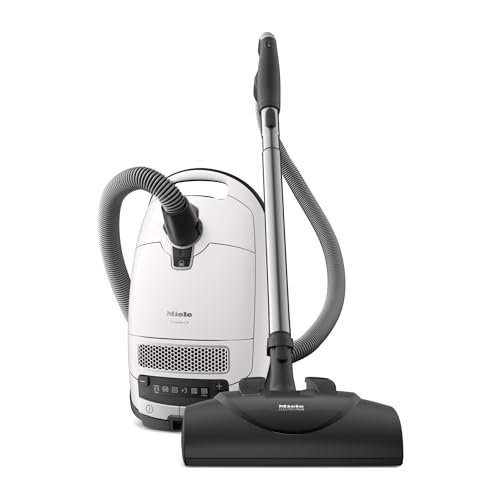
Powerful cleaning: Bagged canister vacuum designed for pet owners with an electrobrush floorhead featuring 5 carpet settings for all carpet types and parquet twister floorhead for smooth floors
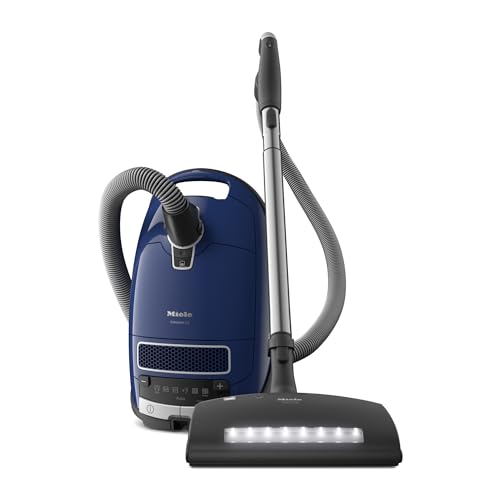
POWERFUL AND QUIET: Bagged canister vacuum optimal for all flooring types with an Electrobrush with LED headlight for carpets and Parquet floorhead for smooth flooring
The Impact of Vacuum Weight on Performance
While many consumers assume that a heavier vacuum cleaner inherently indicates superior performance, this belief does not hold true across the board. Vacuum weight does not directly correlate with cleaning performance, as the design and technology greatly influence a vacuum’s effectiveness. Heavier models may offer stability and power, yet several lightweight models are engineered to deliver exceptional suction strength without sacrificing efficiency. Ultra-light vacuums under 10 pounds make cleaning effortless and are designed for various cleaning tasks with efficient suction. Maneuverability can often depend more on a vacuum’s shape and features than its weight. To meet individual usability and performance needs, consumers should test various models of different weights. Misconceptions about vacuum weight may lead to the belief that heavier options are inherently better, whereas modern lightweight designs can perform exceptionally well in a range of cleaning tasks.
Importance of Regular Vacuum Maintenance
Proper maintenance of a vacuum cleaner is essential for maintaining its functionality and longevity. Regular maintenance tasks, such as cleaning filters and checking the condition of vacuum bags, greatly influence performance. Manufacturers advise servicing vacuums every 12 to 24 months, ensuring maximum efficiency and preventing breakdowns. Neglecting these essential tasks may result in a decline in suction power and increased energy consumption, which ultimately affects cleaning effectiveness. Simple actions, like emptying bags or canisters, enhance the vacuum’s ability to pick up dirt and dust effectively. Investing in routine maintenance not only improves performance but can also lead to cost savings by reducing the likelihood of costly repairs or premature vacuum replacement. Additionally, advanced HEPA filtration systems in some vacuums help trap 99.99% of allergens and dust particles, contributing to better air quality and health benefits.
Filter Technology and Its Effectiveness
Vacuum cleaners employ various filter technologies that profoundly impact their cleaning performance and the air quality of indoor environments. HEPA filters, for instance, capture 99.97% of particles as small as 0.3 microns, making them essential for allergy sufferers. However, consumers must recognize that not all HEPA filters are equal; some labeled as “HEPA-type” may fall short of true HEPA standards. The effectiveness of these filters depends on surrounding conditions, with those in high-dust areas benefiting most. Regular maintenance on their vacuum is vital, as clogged filters can drastically reduce suction power and efficiency. Consequently, the quality of filtration technology affects overall air quality, emphasizing the need for suitable vacuum filters tailored to individual environments and requirements. Investing in filters certified by ASTM F1977 ensures reliable filtration efficiency and optimal air quality.
Vacuum Features for Different Carpet Types
Choosing the right vacuum cleaner for different carpet types involves understanding specific features that enhance cleaning efficiency and protect the carpets. For thicker carpets, high suction power and motorized brush types are essential, as these qualities improve debris removal by lifting dirt embedded within the fibers. Conversely, delicate carpets call for gentle suction and soft-bristle brushes to avoid damage while still maintaining cleanliness. Height adjustment is also important, allowing users to customize the vacuum’s reach according to carpet height, which optimizes cleaning performance. Canister vacuums provide versatility, featuring attachments that cater to diverse carpet types, making them beneficial in homes with mixed flooring. Matching the vacuum’s specifications to the carpet type is critical for effective and safe cleaning. Additionally, suction power is crucial not only for carpets but also for hardwood floors, ensuring effective cleaning by capturing both fine dust and larger debris.
Recommended Products
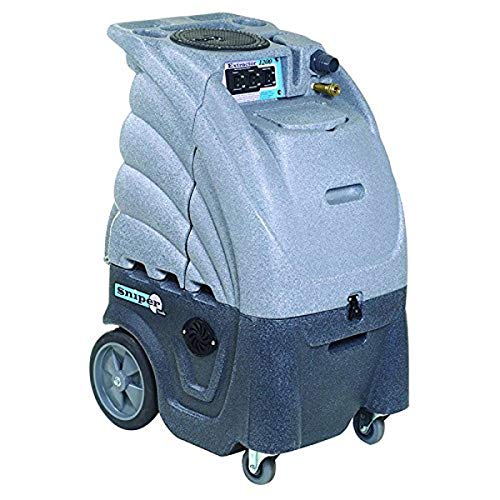

Fast and Vast: Is a small machine forcing your team to work twice as long on large floors? This heavy duty vacuum cleaner, assembled in the USA, clears a 30-inch path to finish 29,000 square feet an hour so you can get the job done faster

OUR MOST POWERFUL CARPET CLEANER: Clean with the power of the pro's with our most powerful carpet cleaner machine. Best-in-class suction power delivers superior commercial-grade deep cleaning results.
Techniques and Frequency for Effective Vacuuming
Understanding the techniques and frequency of vacuuming can greatly impact the cleanliness of carpets and overall home hygiene. Daily vacuuming is essential, especially for homes with pets, to manage hair and dander accumulation effectively. For high-traffic areas, vacuuming at least twice a week is recommended, ensuring thorough cleaning. In less frequented areas, a weekly vacuum is sufficient. Employing a slow vacuuming technique enhances dirt extraction efficiency by maximizing suction on debris. Before vacuuming, dusting surfaces can prevent airborne particles from settling back down. Regular use of crevice attachments increases vacuuming efficiency by reaching tight spaces and corners that standard vacuum heads might miss, ensuring all areas receive proper attention and maintaining a clean living environment. Additionally, lightweight designs in vacuum models can significantly improve maneuverability and ease of use, especially when cleaning stairs and tight spaces.
Cost Efficiency of Bagged vs. Bagless Models
How do bagged and bagless vacuum cleaners compare regarding cost efficiency? Bagged vacuums generally incur lower annual costs compared to bagless models. This is primarily due to the higher expense of replacement filters required for bagless units. On average, the cost of vacuum bags for bagged vacuums is more economical than the filters for some bagless models, making them a wiser long-term investment. Additionally, bagged vacuums provide superior dirt containment, which is advantageous for allergy sufferers, as it minimizes dust leakage during disposal. Their maintenance costs are typically lower as well, since changing a bag is less messy than emptying a bagless bin. Choosing a bagged model also enhances performance longevity, protecting the motor from dirt ingress and reducing maintenance frequency. Some bagless vacuum models, like the Shark Navigator Lift-Away Deluxe, feature HEPA filters that help manage allergens, offering an advantage to users with allergy concerns.
Recommended Products
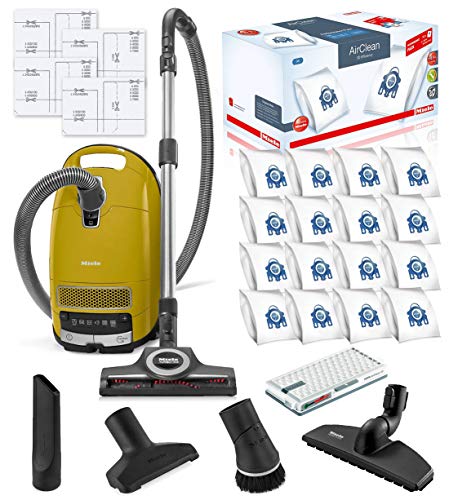
Bundles Includes - Miele's AH50 GN Performance Pack - Comes With 16 Genuine Miele GN Airclean FilterBags, 1 Genuine Miele HEPA Air Clean Filter AH-50 and 4 Pre-Motor Protection Filters

Powerful Performance: The Classic C1 Cat & Dog canister vacuum features a 1200 W PowerLine motor and 4.8 qt dust bag capacity to efficiently capture dust, dirt, and debris with maximum suction power

Tired of central vacuums that lose suction over time? Need a central vacuum that connects directly to your existing system? Introducing the Prolux CV12000—engineered to fit any standard U.S. central vacuum system, maintain powerful suction year after year, and last for decades.
Common Misconceptions About Robotic Vacuums
Many users harbor misconceptions about robotic vacuums, often underestimating their role in household cleaning. These vacuums typically feature lower suction power compared to traditional vacuums, making them best suited for daily maintenance rather than deep cleaning. While they navigate around furniture and obstacles, robotic vacuums often lack the thorough cleaning capabilities needed for high-traffic areas and heavily soiled carpets. Most models are designed to complement traditional vacuuming, so regular deep cleaning should still occur on a weekly or biweekly basis. In addition, robotic vacuums may encounter challenges on thick carpets or uneven flooring, impacting their overall effectiveness. However, many modern units include smart mapping technology, enhancing their cleaning efficiency by learning the layout of a home. Some advanced navigation technologies like LiDAR allow for precise mapping and thorough coverage, making modern robot vacuums more efficient.
Recommended Products

Conquer Complex Pools with AI Mapping: Achieve ultra-precise navigation, obstacle detection, and full coverage with AI Mapping. This pool robot cleaner maps complex layouts and lets you view routes in the app for total control. Ensure your data's safe with TÜV-Certified Privacy Protection.

5-in-1 Cleaning Power — Effortlessly clean every pool surface, waterline, walls, floor, and clarify water, using one device. Save time and effort with innovative submarine propulsion. (Includes Clarifying Agent Kit)

Complete All-in-One Cleaning: Engineered to actively clean every surface—from the pool floor and walls to the waterline and even the water surface—this robot ensures no corner is missed
Frequently Asked Questions
What Are Some Facts About Vacuum Cleaners?
Vacuum cleaners vary in suction power and energy efficiency, with bagless options sometimes less cost-effective. Effective vacuum design depends on filter maintenance, noise levels, and the variety of attachment types available for different cleaning needs.
What Is the Common Problem for a Vacuum?
Clogged vacuums can render suction power useless! Regular filter replacement and following maintenance tips are essential. Noise levels may vary, especially in corded vs cordless models, while vacuum accessories can enhance performance without sacrificing efficiency.
How Did the Vacuum Cleaner Change People’s Lives?
The vacuum cleaner transformed lives by enhancing cleaning efficiency, improving household hygiene, and enabling better time management. This innovation benefited family health through allergy reduction and facilitated effective carpet maintenance, ultimately modernizing daily routines.
Is Sweeping or Vacuuming More Effective?
Vacuuming efficiency surpasses sweeping effectiveness in surface cleaning, as it guarantees thorough debris removal and significant allergen reduction. With superior dust collection capabilities, vacuuming provides time savings, making it the preferred method for maintaining a clean environment.
Conclusion
To summarize, understanding the facts surrounding vacuum cleaners can greatly enhance cleaning efficiency and effectiveness. For instance, a household with mixed carpet types may find a bagged vacuum, known for superior filtration, more beneficial than a bagless option that can lose suction power over time. By debunking common myths, such as the importance of amp ratings over actual suction performance, consumers can make informed choices that will lead to better maintenance and longevity of their cleaning devices.


