As an Amazon Associate, we earn from qualifying purchases. Some links on this site are affiliate links at no extra cost to you. Our recommendations are based on thorough research and editorial judgment.


What Not to Vacuum: Objects and Liquids That Can Damage Your Machine

Individuals should avoid vacuuming hazardous materials such as broken glass, liquids, wet foods, and fine powders. These items can damage motors, clog filters, and reduce suction power, leading to costly repairs. Makeup spills and sticky substances may also hinder performance and contaminate internal components. Using appropriate cleaning methods, like brooms or damp cloths, is recommended for these situations. For those interested in understanding more about safe vacuuming practices, additional insights are available.
Key Takeaways
- Avoid vacuuming broken glass, as it can damage the vacuum and pose injury risks; use a broom for larger shards.
- Do not vacuum liquids or wet substances, which can harm the motor and promote mold growth; use absorbent cloths for small spills.
- Refrain from vacuuming makeup spills; they can clog filters and create additional mess; manually remove excess makeup first.
- Fine powders can overwhelm vacuum filters, leading to overheating; use a broom and dustpan instead to maintain vacuum efficiency.
- Sticky substances can clog vacuum components and hinder performance; opt for scrapers or appropriate cleaning tools for effective cleanup.
Broken Glass
When faced with broken glass, it is crucial to handle the situation safely and effectively. Cleaning up broken glass requires caution due to its sharp objects that can cause injury. Larger shards should be carefully swept up by hand, preventing potential harm and avoiding clogging the vacuum. Relying solely on a vacuum cleaner can lead to damage, as most vacuums are not designed for such tasks. If shards enter the machine, it may suffer malfunctions, resulting in costly repairs. After sweeping, using a damp cloth or sticky tape can help capture microscopic remnants that remain. As a result, a thorough approach to cleaning broken glass guarantees safety and protects vacuum cleaners from damage, optimizing their performance and longevity. For those seeking a deeper, healthier clean, mattress vacuum cleaners with HEPA filtration can effectively capture 99.97% of particles as small as 0.3 microns.
Water

Water poses significant risks when it comes to vacuuming, as standard vacuum cleaners are not equipped to handle liquid spills. When water is vacuumed, it can damage the motor, leading to electrical failure and making the device inoperable. Additionally, mixing water with dust and dirt can encourage mold growth, resulting in health hazards and unpleasant odors. Standard vacuums can also have their filters clogged by liquids, which diminishes suction power and efficiency, often necessitating extensive filter cleaning or replacement. To safely handle spills, it is advisable to use a wet-dry vacuum specifically designed for such tasks. For minor spills, utilizing a microfiber cloth or mop is a simple, effective solution that prevents potential damage to standard vacuum units. Foam filters are suitable for both wet and dry debris collection, offering durability and water-resistant materials that enhance their performance.
Recommended Products

1.HIGH SUCTION AND LOW NOISE:The 1000-watt twin fan motor is our most durable motor with an extended lifetime and lower operating noise than standard single fan systems.

Our largest Dust Collector features a whopping 4029 CFM capacity and can handle any large duct system with a static pressure loss less than 16

Cyclonic action separates the heavy dust particles from the fine particles and drops them into the 55-gallon steel drum
Wet Foods

Cleaning up wet foods with a vacuum can lead to several complications that negatively impact the machine’s performance. When damp substances are vacuumed, they can clog the vacuum, reducing suction power and efficiency. The moisture from wet foods may also damage the vacuum motor, causing it to overheat or malfunction. Additionally, wet materials can promote mold growth within the vacuum, creating an unhealthy environment. Using a standard vacuum poses significant electrical hazards, potentially leading to failure or rendering the vacuum unserviceable. Instead of using a vacuum, it is more effective to clean up chunkier wet food items with a broom or hand tools. For liquid spills, a microfiber cloth is recommended to absorb moisture while maintaining vacuum integrity. Extension wand vacuums can be versatile cleaning tools for various scenarios, but they are not suitable for handling wet substances.
Recommended Products

ZERO-GRAVITY COMFORT - Elevate your relaxation with an advanced zero-wall reclining sectional design that only requires 5 inches of space between the wall and chair back. The smooth power motion zero-gravity mechanism allows for infinite positions
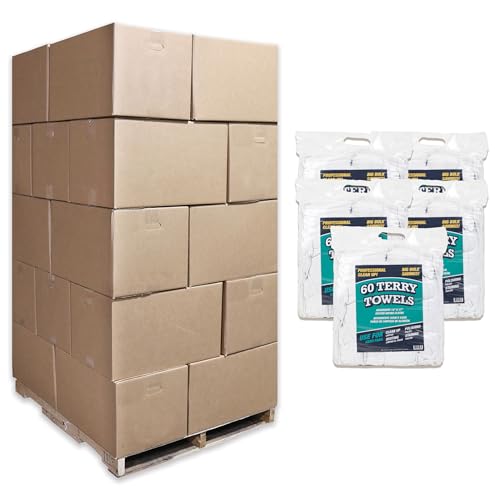
PREMIUM QUALITY TERRY TOWEL CLEAN UP CLOTHS: Our terry cleaning cloth towels are made of 100% cotton and are very absorbent. 60 utility towel measuring 14" x 17" in a poly bag with carrying handle for convenience

SUPREMEPLUS Recycled White TERRY RAGS: Made of 100% cotton these highly absorbent shop towels comes in a bag for easy storage and access. Perfect for various cleaning tasks they provide durability and efficiency for both household and professional use.
Ash and Fine Dust
Ash and fine dust present unique challenges when it comes to vacuuming. Many standard vacuum cleaners lack the filtration capabilities needed to effectively capture these materials. Ash can clog filters, reducing airflow and negatively impacting air quality. Fine dust particles can overwhelm most models, leading to decreased suction power and potential overheating due to extra strain on the motor. Additionally, conventional filters may not trap fine particulates, which then escape back into the environment, potentially creating respiratory issues. Cleaning up ash using a broom and dustpan is a recommended approach, as it reduces wear on the vacuum cleaner. Also, using used coffee grounds can help consolidate ash, decreasing the amount of fine dust that needs to be vacuumed, thereby preserving vacuum bag integrity. For those dealing with allergies, using HEPA filters in vacuums can improve indoor air quality by effectively trapping allergens, reducing the risk of respiratory irritations.
Makeup
Makeup spills can present a significant challenge for household cleaning routines, especially when it comes to vacuuming. Attempting to clean up makeup with a vacuum cleaner can exacerbate the mess, dispersing pigmented powder across larger surfaces. Furthermore, some makeup products can melt and cause internal damages to the vacuum, resulting in costly repairs. Additionally, vacuuming makeup can lead to contaminated filters, which reduces the overall suction power. To avoid these issues, it is advisable to manually remove excess makeup before cleaning. Using a broom and dustpan, followed by a microfiber cloth, can effectively capture makeup spills without jeopardizing the vacuum’s performance or longevity, preserving the machine’s high-quality functionality for future tasks. For those with allergies, it’s important to consider vacuums equipped with HEPA filters, as they capture 99.97% of allergens and can prevent further contamination when cleaning.
Liquids or Wet Substances
Vacuuming wet substances poses a significant risk to conventional vacuum cleaners, which are not engineered to handle liquids. Regular vacuum cleaners can suffer serious damage to their motors, potentially leading to electrical hazards and unsafe conditions. Attempting to vacuum liquids creates clogging issues in filters, which diminishes suction power and overall performance. Additionally, introducing moisture into the vacuum promotes mold growth, resulting in unpleasant odors and health risks. To safely suction up water or spills, it is advisable to use wet-dry vacuums specifically designed for such tasks. Some high-performing options include models like the Fein Turbo I and Vacmaster Stainless Steel, which are built to efficiently manage both wet and dry debris. Moreover, ensuring that a vacuum cleaner is completely dry before storage is essential to avoid moisture-related issues, thereby maintaining its functionality and longevity over time.
Hot Ashes or Embers
Handling hot ashes or embers requires careful consideration, as these materials can pose significant fire hazards. Vacuuming hot ashes presents a risk of igniting the contents, potentially damaging the vacuum’s components. In addition, ashes can obstruct vacuum filters, which impedes airflow and may lead to motor burnout. Even when ashes are cool, fine particles can still become airborne, causing respiratory issues for individuals nearby. To mitigate these safety risks, it is advisable to use safer alternatives like a metal dustpan or shovel for collecting ashes. Allowing ashes to cool completely before disposal in a proper container is essential for ensuring a safe and effective cleaning process, ultimately protecting both the vacuum and the user from potential harm. For optimal dirt capacity, consider using vacuums with a bagged design, such as the Sanitaire Tradition, which is suitable for high-traffic environments.
Fragile or Delicate Items
Many individuals underestimate the potential risks associated with vacuuming fragile or delicate items, such as glassware and porcelain ornaments. The powerful suction of vacuums can easily cause fragile items to break, resulting in scattered fragments and a greater mess during cleanup. In cases of shattered glass, it is advisable to collect larger pieces by hand first to prevent damaging the vacuum, using the machine only for tiny shards. Additionally, if delicate items are inadvertently vacuumed, they may harm the vacuum’s internal components and filters. For ideal cleaning without risk, using a broom and dustpan to gather fragile items before resorting to a vacuum for remaining debris is recommended, ensuring safe and effective cleanup of delicate environments. For pet owners, vacuums with self-cleaning brush rolls are beneficial in minimizing hair wrap and maintaining performance, but it’s crucial to avoid using them on fragile items to prevent damage.
Recommended Products

Bagged Design, No More Dust Cup Cleanu: This automatic dustpan uses replaceable dust bags to keep dust and debris fully contained—no dumping, no rinsing, no dusty mess after every use. Each bag lasts up to 3 months under normal household use, keeping cleanup truly hands-off.

FAST & POWERFUL: 1000W vacuum removes 100% of dust, pet hair, and debris instantly. Works on all hard floors including wood, tile, linoleum, and cement for quick, efficient cleaning.

Powerful Performance: With a robust 1500-watt motor, the GAVASTO vacuum cleaner instantly removes 100% of dust, hair, and debris.
Fine Powders
Fine powders, including substances like flour and baby powder, present unique challenges when it comes to effective cleaning. These fine powders can easily clog the filters of standard vacuums, which are generally not designed to handle such materials. When fine particulates accumulate, suction power diminishes notably, leading to inefficient cleaning and a dusty mess. Regularly attempting to use a vacuum for fine powders risks overheating, increasing strain on the vacuum’s motor and potentially causing burnout. To maintain ideal vacuum functionality, it is advisable to use a broom and dustpan instead. For those needing to clean fine powders thoroughly, employing a vacuum specifically designed for fine materials, like a shop vac with appropriate filtration, is necessary for safe and effective cleanup. To ensure optimal performance, HEPA filters are essential for capturing fine particles and maintaining air quality.
Coffee Grounds
Vacuuming coffee grounds can create several problems for typical household vacuum cleaners. These fine particles often lead to clogs in vacuum pipes and filters, which can considerably damage the motor over time. Additionally, the moisture found in wet coffee grounds promotes mildew growth inside the vacuum, resulting in unpleasant odors and potential health risks. Regular vacuums are not designed to efficiently clean such fine materials, which can reduce overall suction power and effectiveness. Bagged vacuum cleaners, especially those with HEPA filtration, are preferred by allergy sufferers for capturing allergens effectively. To avoid these complications, it is more effective to use a broom and dustpan for dry coffee grounds. Proper disposal of used coffee grounds is essential for maintaining a clean environment and preserving the longevity and functionality of your vacuum cleaner.
Recommended Products

6-pack of upright lobby-style dustpans for use in commercial, public, residential, or high-traffic spaces; indoor or outdoor use

High-Quality Material - This broom and dustpan set is made of oiled beechwood handles and stainless steel dust pan, ensuring durability and longevity.

💚Extra Large Dustpan- commercial dust pan size: 13.5”width x 14.3”length x 9.2”heigh, standing dustpan with 44.3” long handle. Large opening offers ample room to hold trash until you're ready to empty the contents. Holds big loads of leaves like pins.
Sticky Substances
When dealing with sticky substances, such as glue or syrup, it is essential to recognize the potential risks involved. Vacuuming these sticky materials can lead to clogged components within the vacuum cleaner, greatly reducing its suction power. The residue from such messes may coat the internal parts of the machine, negatively affecting its overall performance and longevity. Furthermore, using a vacuum on wet or sticky items could promote mold growth inside the unit, which poses health risks. To maintain the integrity of the vacuum cleaner, experts advise avoiding vacuuming sticky substances altogether. Instead, using scrapers or proper cleaning tools for these clean-ups is a more effective approach, preventing costly repairs and ensuring high-quality performance for the vacuuming machine.
Recommended Products
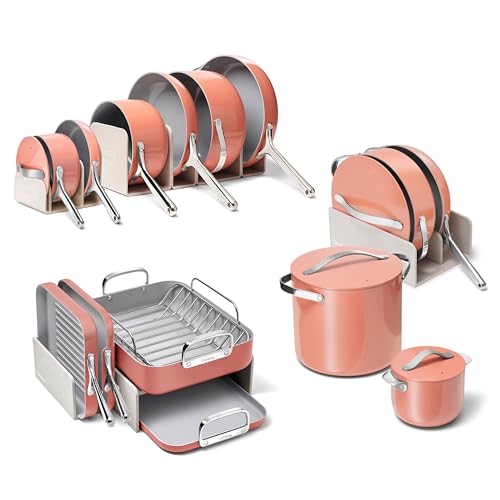
COMPLETE CERAMIC COOKWARE SET: Includes fry pans, saucepans, sauté pan, Dutch oven, petite cooker, stir fry, rondeau, stock pot, 11" grill pan, 11" griddle pan, roasting pan with rack, double burner griddle, lids, racks, and organizers.
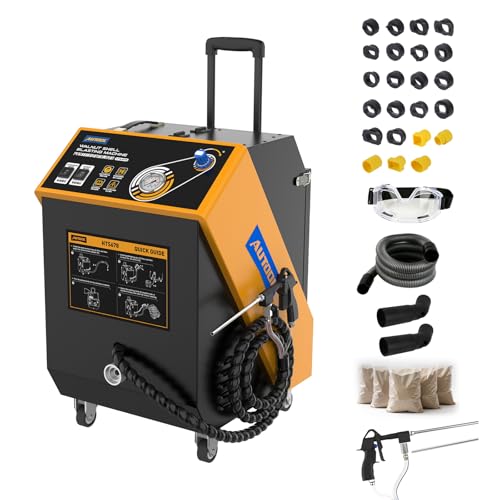
【Why Do You Need It?】Carbon deposits are residues produced by incomplete combustion of unsaturated olefins and colloids in engine oil and fuel at high temperatures during engine operation. Scorched substances, called "carbon deposits", what happens to the engine after severe carbon deposits? 1. The engine is difficult to start cold and shakes at idle speed. 2. The power of the engine decreases, and it is difficult to accelerate. 3. The fuel consumption of the engine increases. 4. The emission of exhaust pollutants increases.

99% (anhydrous-grade) concentration has 0% water, and 0% additional additives
Frequently Asked Questions
What Will Ruin a Vacuum?
Hidden objects, excess pet hair, clogged vacuum filters, and improper cleaning procedures can ruin a vacuum. Additionally, damaged cords can lead to severe electrical issues, compromising both performance and safety during cleaning tasks.
What Happens if You Vacuum Liquid?
Vacuuming liquid leads to significant vacuum damage, as liquid absorption causes clogging. Proper vacuum maintenance prevents issues, while spill prevention strategies and vacuum alternatives like wet-dry vacuums safeguard against hazardous situations and unwanted repairs.
Will Vacuuming Baking Soda Ruin a Vacuum?
Vacuuming baking soda can indeed compromise vacuum performance due to its fine particulate nature, necessitating diligent vacuum filter maintenance. Utilizing alternative cleaning methods and handling spills safely are essential vacuum performance tips to reflect upon.
Does Salt Ruin a Vacuum?
Salt can adversely affect vacuum maintenance due to its properties, potentially causing clogs and motor overheating. Employing appropriate cleaning techniques, such as sweeping, helps guarantee machine longevity and preserves functional integrity over time.
Conclusion
In the domain of vacuuming, caution is akin to a sailor maneuvering through treacherous waters. Just as a ship avoids jagged rocks to preserve its integrity, users must steer clear of certain materials that can compromise their vacuum’s performance. Broken glass, liquids, and sticky substances may seem innocuous at first, but they can lead to significant damage over time. By understanding these harmful elements, consumers can guarantee their vacuum remains a dependable tool for maintaining a clean and tidy environment.


