As an Amazon Associate, we earn from qualifying purchases. Some links on this site are affiliate links at no extra cost to you. Our recommendations are based on thorough research and editorial judgment.

Why Your Vacuum Has Lost Suction and How to Fix It

A vacuum may lose suction due to clogged filters, full dustbins, or hose obstructions. Common symptoms include weak suction, unusual noises, and poor cleaning performance. To troubleshoot, check for blockages and clean or replace filters. Additionally, verify the vacuum is plugged in and the power source is functioning. Regular maintenance, like emptying the dustbin and adjusting height settings, can enhance suction efficiency. For deeper issues, professional help may be necessary, guaranteeing peak vacuum performance is maintained.
Key Takeaways
- Check and clear clogged filters, dustbins, and hoses to restore airflow and suction power.
- Inspect the brush roll for tangles and obstructions that may hinder rotation.
- Verify the vacuum is plugged in, and check the power source for functionality.
- Adjust height settings for different floor types to optimize suction performance.
- Seek professional help for persistent issues or unusual noises indicating deeper mechanical problems.
Common Causes of Suction Loss
Vacuum suction loss can result from several common issues that affect performance. Clogged filters, including HEPA and foam types, greatly restrict airflow, leading to reduced suction power; it is crucial to clean or replace filters regularly. A full dustbin also contributes to this loss; for peak performance, users should empty dust containers after each use or change bags when nearing capacity. Additionally, obstructions in hoses, wands, or brush rolls can hinder airflow, underscoring the need to inspect the vacuum often. Damaged belts that impair brush roll rotation can compromise suction performance, while air leaks in seals or gaskets decrease suction power. Ensuring all components are in good condition is essential for maintaining the vacuum’s motor efficiency and overall suction performance. Some bagged vacuums, like the Kenmore Intuition BU4020, offer No Touch Bag Technology that simplifies maintenance and enhances user convenience.
Identifying Symptoms of Suction Issues

Reduced suction performance can manifest through various identifiable symptoms, signaling potential issues with the vacuum. A common sign is weak suction, often leaving visible dirt on surfaces after cleaning. Strange noises, such as whistling or grinding, may indicate blockages or underlying mechanical problems that require attention. Additionally, inadequate cleaning performance can suggest airflow obstruction, impacting overall efficiency. To detect blockages, users should observe for any signs of overheating, as this can signify restricted air passage. Vibration changes during operation may prompt homeowners to troubleshoot further, revealing potential issues that compromise suction capabilities. Recognizing these symptoms early on can facilitate timely maintenance, ensuring the vacuum retains its exceptional cleaning function and longevity. For instance, multi-layer filtration systems in vacuum cleaners are designed to capture microscopic particles, and any clogging in these filters can significantly affect suction power.
Preliminary Checks Before Troubleshooting
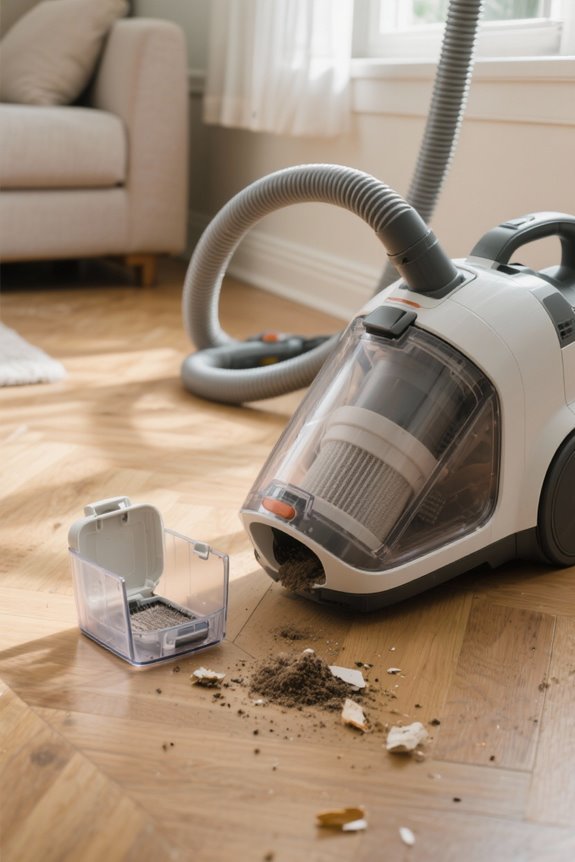
Before troubleshooting suction issues, it is vital to perform a series of preliminary checks that can quickly identify common problems. First, verify the vacuum cleaner is plugged into a functioning power outlet, which eliminates potential power-related issues. Next, inspect the vacuum cleaner’s power cable for any damage, such as frayed wires that could disrupt operation. Also, check the dust bag or canister for fullness, as a full dust container greatly reduces suction power. Examine the vacuum cleaner’s hose for obstructions, and clear any visible clogs to improve airflow. Finally, review the filters for cleanliness, since clogged or dirty filters commonly cause suction problems, and remember to clean the filters or replace them as needed for ideal performance. Consider whether the vacuum has a HEPA filtration system, as these filters capture 99.97% of allergens and may require specific maintenance to ensure optimal performance.
Step-by-Step Guide to Diagnosing Suction Problems
Identifying the cause of suction problems requires a systematic approach to thoroughly assess various components of the vacuum cleaner. Start by verifying that the vacuum is plugged in and functional, then perform a suction test by detaching the main hose and sealing the port. Next, check for blockages in the hose and attachments; visually examine them and use a broom handle to clear any debris hindering airflow. After that, check the dustbin or vacuum bag, ensuring that it is emptied or replaced as needed. Additionally, examine and clean both pre-motor and post-motor filters; clogged filters can greatly restrict airflow and should be rinsed or replaced. Regular maintenance, including checking filters monthly, helps prevent future suction problems. Ensuring proper suction power is crucial for effective cleaning, as measured in kilopascals, with higher values indicating better performance on surfaces like plush carpets.
Emptying the Dustbin or Replacing the Bag
Maintaining a vacuum cleaner’s dustbin or bag is essential for ensuring peak performance and suction power. A filled dustbin or bag is a leading cause of weak suction, as it obstructs airflow critical for effective cleaning. For bagless models, regularly emptying the dust container after each use prevents buildup that can hinder suction. In bagged vacuums, it is advisable to replace the bag when it is around 2/3 full or when the vacuum’s indicator signals that it is full. This helps avoid restricted airflow and maintains consistent performance. Additionally, even with proper dustbin management, clogged filter pores from accumulated dust can also reduce cleaning efficiency, highlighting the significance of overall vacuum maintenance. For enhanced cleaning performance and to ensure optimal suction power, it is crucial to regularly check and maintain both the flexible hose and filters.
Cleaning or Replacing the Filters
Cleaning or replacing the filters in a vacuum cleaner is essential for maintaining strong suction and overall efficiency. Clogged or dirty filters restrict airflow, leading to a significant loss of suction. Most vacuum models feature multiple filters, including pre-motor, HEPA, and exhaust filters, all of which require regular maintenance for peak performance. Washable filters should be rinsed under cold water until the water runs clear and left to air dry for at least 24 hours. Non-washable filters or those showing signs of damage must be replaced promptly to avoid further loss of suction and potential internal damage. Regular filter maintenance, aligned with manufacturer guidelines, is vital for preserving overall vacuum performance and longevity, ensuring effective removal of dust and debris. Additionally, utilizing specialized attachments, such as those found in the EZ SPARES 7PCS kit, can enhance cleaning efficiency by targeting hard-to-reach areas and optimizing suction power.
Recommended Products

Replacement filter for Shark NV500, NV501, NV502, NV503, NV505, NV510, NV520, NV552, UV560, NV642, ZU780, ZU782, ZU785,Compare to Part # XFF500

FIT MODELS – The AZ3002 vacuum filters are compatible with Shark Stratos DuoClean PowerFins Upright Vacuum Cleaner AZ3002 AZ3000 AZ3000W. Filter made of FSC-Certified paper.
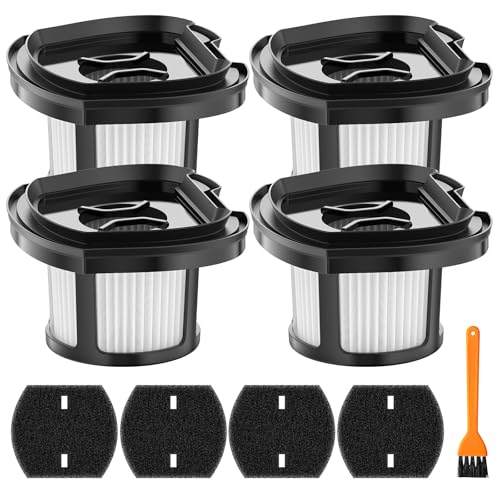
Compatible with Bissell Pet Hair Eraser Filter Hand Vacuum 2284W 2390 2389 2390A 2579 2389D 2389C 2057. Compare to Parts # 1614212 1614203 1614204.
Clearing Any Blockages in Hoses or Passages
While a vacuum cleaner operates efficiently, blockages in hoses or air passages can considerably hinder its suction power and overall performance. These blockages often lead to noticeable suction loss, indicated by whistling sounds during operation or debris left on the floor. To effectively address this issue, it is important to visually inspect the entire length of the hoses and attachments. Using tools like a broom handle or flexible brush can help dislodge debris lodged within. Detaching the brush head and other accessories also aids in checking for clogs, as foreign objects frequently obstruct airflow. Regular inspections and maintenance of hoses and passages guarantee consistent suction power, ultimately supporting effective cleaning and prolonging the vacuum’s lifespan. Additionally, consider the importance of self-cleaning brush rolls in preventing hair wrap, which can also contribute to suction loss if not properly maintained.
Recommended Products

Home Essentials: Holikme dryer vent cleaner kit can easily help you to remove years of built up lint from your dryer vent, making your appliance runs more efficiently and securely; Suitable for most dryer types, please kindly check our product size information for reference in order to better shopping experience
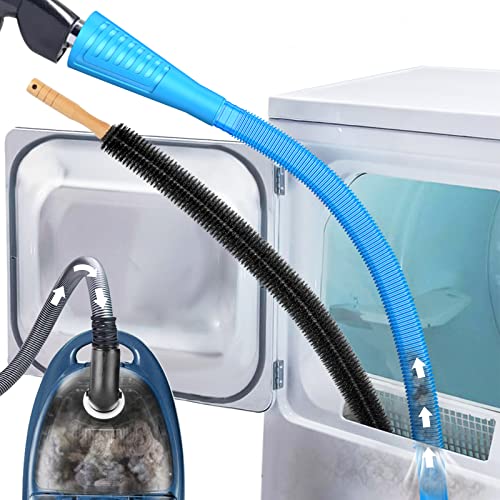
[REMOVE LINT BUILD-UP] - Sealegend dryer vent cleaner dryer replacement parts removes lint that has accumulated for many years in your dryer vents, making your appliance runs more efficiently and securely.

[Universal Connector] PetOde dryer lint vacuum cleaner attachment is designed with a premium universal connector that can be connected to most vacuum cleaners! Say goodbye to the worry of purchasing incompatible attachment models
Inspecting the Brush Roll and Floor Head
Inspecting the brush roll and floor head can greatly enhance vacuum performance, as these components directly influence suction efficiency. Regularly inspect the brush roll for tangles, as hair and fibers can hinder its ability to spin and pick up debris. Debris wrapped around the brush roll should be cut away carefully using scissors, ensuring not to damage the bristles. Additionally, check the floor head for larger obstructions, such as socks or toys, which can block suction. Ensuring that the brush roll rotates smoothly is essential since a jammed brush roll can reduce suction efficiency and strain the motor. Finally, confirm that the vacuum settings match the floor type, as improper settings can negatively impact cleaning efficiency. Selecting a vacuum with high suction power is crucial for effective cleaning, especially when dealing with pet hair.
Recommended Products
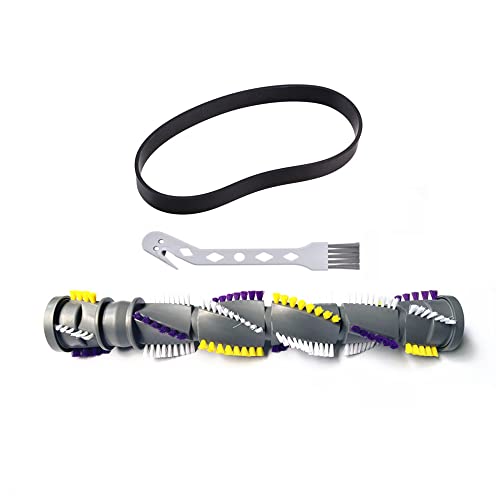
1. The product is suitable for Bisser vacuum cleaner brush roller belt 2252 2489 22543 24899 3195 3196 3197 3197A 3198 3198A 1327 1333 1820, 2383, 1825, 1813, 1823, 18252, 1825R, 1836, 1838, 2256, 2254, 22543, 22548, 2255, 2739, 2256K, 2258, 22582, 2259, 1830, 2260, 2253, 22547, 22549, 2316, 2252, 2488, 2486, 2487, 2492, 2490, 2489, 24899, 2491, 2494, 2254 replacement part number 1604545, 1611230

Fit Model: Replacement Parts Rolling Brush Compatible with Eufy RoboVac 11S, RoboVac 12, RoboVac 30, RoboVac 15C, RoboVac 25C, RoboVac 30C, RoboVac 35C, RoboVac 15T, RoboVac 11S MAX,RoboVac 15C MAX, RoboVac 30C MAX, RoboVac G30, G30 Edge Robotic Vacuums

【Durable Metal Construction】Made of high - quality metal, this roller brush is more durable and long - lasting than traditional ones. It can withstand heavy - duty use in commercial environments;
Checking Height Settings and Suction Controls
For ideal vacuum performance, checking height settings and suction controls is vital, as these factors considerably influence cleaning efficiency across various surfaces. Incorrect height settings can create an illusion of suction loss, as the brush roll may be inaccurately positioned. Adjustments guarantee the brush head matches the flooring; lower settings work best for carpets, while higher settings suit hard floors. Many vacuums feature electronic suction controls, allowing users to customize suction power based on surface types, enhancing cleaning performance. Open vents in suction control settings may intentionally reduce suction for delicate surfaces, necessitating proper adjustments. Regularly inspecting and fine-tuning these settings is essential for maintaining peak performance, especially as different floor types are encountered throughout the home. Some vacuum models come equipped with HEPA filters, which are essential for trapping allergens and improving air quality.
Recommended Products

Replacement Part For Bissell Height Adjustment Roller Assembly with Wheels # compare to part 1608224
✅Please order parts only if you see your vacuum model number is listed in this listing.
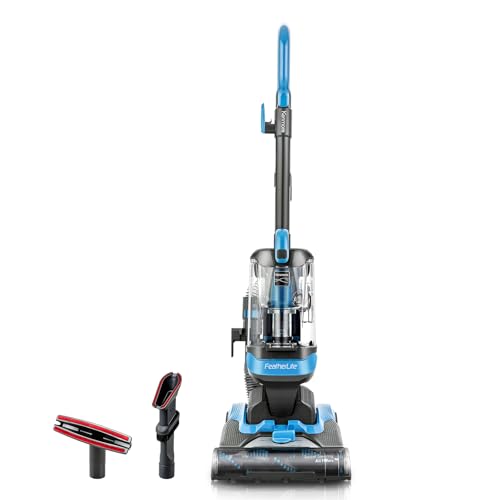
Under 12lbs: Powerful suction in a super lightweight design
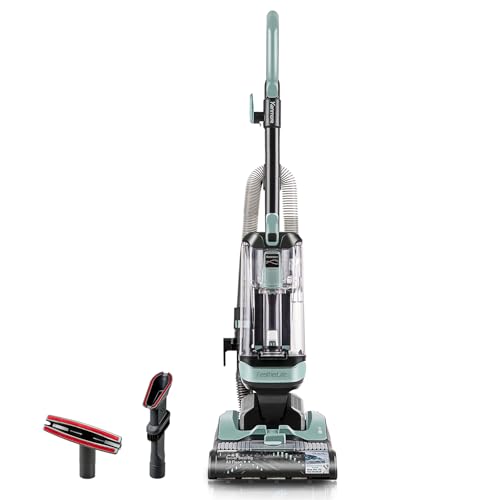
3X More Dust Cup Capacity: Extra-large capacity allows you to cover a greater area with less interruptions, so you can get the job done faster
Verifying the Power Source (Cord and Battery)
Verifying the power source is essential to guaranteeing a vacuum cleaner operates effectively. A damaged power cord can lead to lost suction power, so it is vital to inspect for frayed wires and loose connections that disrupt electrical flow. For cordless models, a low battery charge can impact functionality, making it necessary to verify the battery is fully charged. Additionally, aging batteries may not hold a charge efficiently, causing temporary power loss during use. It is also important to confirm that the vacuum is plugged into a functioning outlet; testing the outlet with another device can help verify proper power supply. Cordless features allow movement without restrictions, making them convenient for cleaning but emphasizing the importance of ensuring a fully charged battery. If issues persist, consider a professional inspection to address any internal wiring problems or malfunctioning controls affecting performance.
Seeking Professional Help for Internal Issues
Persistent suction problems, despite having verified the power source, may indicate deeper mechanical issues within the vacuum cleaner. When unusual noises, burning smells, or a complete failure to power on occur, seeking professional assistance becomes crucial. These signs often point to internal mechanical failures, such as a malfunctioning motor or a damaged fan. Professionals equipped with specialized tools and genuine replacement parts can accurately assess and address these internal issues. Furthermore, many vacuum manufacturers recommend professional servicing for suspected internal failures, as improper handling can void warranties or cause more damage. Regular maintenance checks guarantee excellent performance by identifying and resolving potential issues before they escalate, thereby prolonging the vacuum’s lifespan and enhancing its efficiency.
Recommended Products

【Wide Compatible】The vacuum cleaner motor head replacement is fully compatible with Dyson V8 V10 V11 V15 cordless vacuums. Just confirm your vacuum model before purchasing for precise compatibility. NOT for use on Short Pile or Long Haired carpets!Product Dimensions: 9.84*3.9*6.1 inches

※IMPORTANT※ Many models of Shark R101AE Self-empty Base are introduced. There are also several versions of the height of the foam filter. The height of this filter is 3.7 inch, which is the highest of all models at present. It can be used in other low style foam filters.The pre-motor filters compatible with Shark IQ Robot Vacuum RV1001AE UR1005AE Self-Empty Base.
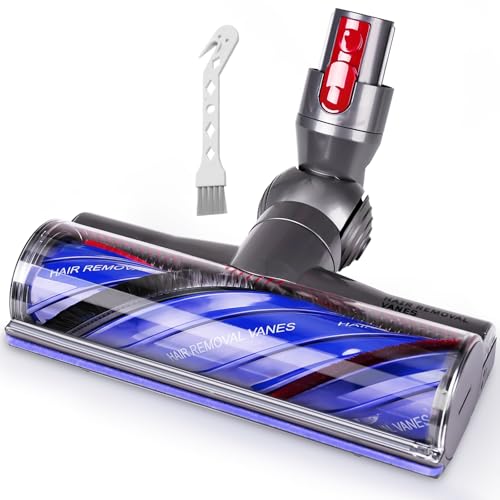
Wide Compatibility ---- Our upgraded vacuum head replacement for Dy-son V7 V8 V10 V11 V15 SV10 SV11 SV12 SV14 SV15 SV22 SV25 SV27 SV28 SV37 Cordless Vacuum Cleaner. Compare to Part # 968266-02, 968266-04, 967483-01, 967483-03, 967483-04. Doesn't fit V6 V12 DC Series.
Preventative Maintenance Tips to Avoid Suction Loss
Proper maintenance is essential to prevent suction loss in vacuum cleaners, ensuring they operate at peak efficiency. Users should regularly empty the dustbin or replace the bag when it reaches about two-thirds full to maintain ideal airflow. Additionally, it is crucial to clean or replace filters as recommended by the manufacturer, ensuring washable filters are rinsed monthly and air-dried for at least 24 hours. Users must also periodically check and clear blockages in hoses and brush rolls to keep air passages unobstructed. Inspecting and adjusting height settings to match the floor type prevents misunderstanding of suction loss. Finally, scheduling routine maintenance every three months can greatly extend a vacuum’s lifespan while ensuring proper airflow throughout its operation.
Frequently Asked Questions
How Do You Fix a Weak Vacuum Suction?
To fix weak vacuum suction, one should follow vacuum maintenance tips, including cleaning vacuum filters, checking hose clogs, addressing brush roll issues, emptying the dustbin, and ensuring proper vacuum storage for ideal robot vacuum efficiency.
How Do You Restore a Vacuum Suction?
To restore vacuum suction, one must perform regular vacuum bag maintenance, follow filter cleaning tips, inspect hoses, check brush roll issues, test suction power, and replace belts as needed for peak performance and troubleshooting common problems.
How Do You Know if Your Vacuum Motor Is Burnt Out?
To determine if a vacuum motor is burnt out, one should look for signs of dysfunction such as unusual sounds, burning smells, or lack of suction, and refer to a troubleshooting guide for further diagnostics and repair cost estimates.
How to Increase Suction in a Vacuum Cleaner?
To increase suction, implement vacuum maintenance tips like regular cleaner filter replacement, hose blockage inspection, brush roll cleaning, and adjusting vacuum power settings. Additional practices include dirt container emptying and effective carpet cleaning techniques for peak performance.
Conclusion
In conclusion, understanding why a vacuum has lost suction is essential to maintaining its performance. Regular maintenance, along with timely troubleshooting, can enhance efficiency and prolong the device’s lifespan. With proper attention, one can often restore excellent functionality. After all, who wouldn’t want a vacuum that truly picks up dirt and debris effectively? By addressing common issues, users can keep their vacuum running at peak levels, ensuring a clean and healthy living environment.


