As an Amazon Associate, we earn from qualifying purchases. Some links on this site are affiliate links at no extra cost to you. Our recommendations are based on thorough research and editorial judgment.


Best Practices for Vacuuming Rugs Without Damaging Their Fibers

To vacuum rugs without damaging fibers, one should choose a vacuum featuring adjustable suction and specialized attachments. Vacuuming should follow the rug’s nap direction and utilize suction-only modes for delicate materials. High-traffic areas require more frequent vacuuming, staying brief to protect integrity. For fragile or natural fiber rugs, avoid beater bars and opt for lightweight models. Regular maintenance practices include shaking rugs outdoors and rotating them to guarantee uniform wear, with further insights available for thorough care.
Key Takeaways
- Always vacuum in the direction of the rug’s nap to minimize damage to fibers.
- Use suction-only settings and appropriate attachments for delicate or antique rugs.
- Avoid beater bars on thin or fragile rugs to prevent harm to their structure.
- Regularly shake or beat rugs outdoors to expel dirt, reducing the need for aggressive vacuuming.
- Schedule vacuuming frequency based on traffic levels, focusing on high-traffic areas while limiting duration to protect fibers.
Why Proper Rug Vacuuming Matters
Vacuuming rugs is an important task that directly influences their durability and visual appeal. Proper vacuuming methods can greatly extend a rug’s lifespan, especially for delicate rugs that require gentler handling. Regular vacuuming helps prevent dirt buildup, which can wear down fibers and diminish a rug’s aesthetic. Low-pile rugs typically tolerate stronger suction, while high-pile rugs necessitate more careful techniques. Using a vacuum with adjustable suction and specific attachments protects fragile threads, ensuring effective cleaning without damage. Additionally, vacuuming in the direction of the rug’s nap preserves its structure and minimizes wear. Establishing a consistent vacuuming schedule, based on foot traffic levels, is vital for maintaining both the integrity and overall beauty of the rug. For optimal results, consider vacuums equipped with powerful suction, as it is essential for effective carpet and rug cleaning.
Choosing the Right Vacuum for Rugs

Selecting a vacuum designed specifically for rugs involves understanding various features that enhance cleaning performance while safeguarding the fabric. A high-quality vacuum cleaner should include adjustable suction control, allowing users to modify power based on rug thickness and material. Additionally, models with adjustable brush rolls are essential for delicate rugs, as they help avoid tugging on loose weaves. Specialized attachments, like upholstery tools, can protect fragile rugs by effectively cleaning without damaging fibers. Canister vacuums are versatile options, particularly for different rug types. Finally, lightweight models without rotating brushes are ideal for maintaining antique or delicate rugs, ensuring thorough cleaning without the risk of harm, and extending the life of the rug fibers. Furthermore, HEPA filters in vacuums provide efficient allergen capture, contributing to indoor air quality.
Recommended Products
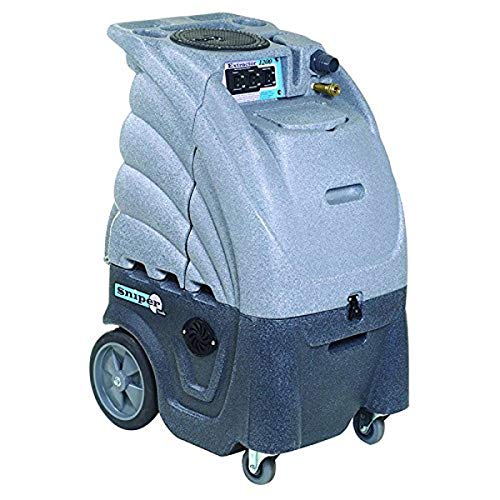

Fast and Vast: Is a small machine forcing your team to work twice as long on large floors? This heavy duty vacuum cleaner, assembled in the USA, clears a 30-inch path to finish 29,000 square feet an hour so you can get the job done faster

Revolutionary OmniGrip Mechanical Arm – A Robotic Cleaner & Helper: Experience the robotic vacuum with a five-axis mechanical arm. The OmniGrip arm moves obstacles, lifts objects, and even organizes small household items like socks and tissues. Equipped with dual cameras, LED lighting, and precision sensors, it ensures accurate object handling. The arm features a gentle-grip design and a built-in weight sensor to prevent excessive squeezing, capable of handling objects up to 300g with ease
Vacuuming Techniques to Prevent Damage

Utilizing effective vacuuming techniques is essential to prolonging the life of rugs and maintaining their appearance. Vacuuming in the direction of the rug’s nap minimizes fiber damage, ensuring the rug remains intact. For delicate fibers, a suction-only vacuum is recommended to avoid pulling that can lead to shedding. Employing the appropriate vacuum attachments, such as upholstery tools, safeguards fragile rugs during cleaning. It is advisable to vacuum high-traffic areas more frequently but limit duration to prevent excessive wear. Additionally, avoid using the beater bar on thin or old rugs; instead, vacuuming the back side of deeper-pile rugs helps maintain their overall health and prolongs their lifespan. When selecting a vacuum, consider one with an advanced filtration system to capture fine dust particles and improve the air quality in your home.
Special Considerations for Different Rug Types
When it comes to caring for various types of rugs, specific considerations emerge based on materials and construction methods. Thick woven wool rugs require a vacuum with a powerful suction and suitable carpet brush to capture hidden dirt without damaging fibers. Conversely, thin woven or flat-weave rugs necessitate a gentle approach using handheld tools on low power settings to protect delicate threads. For tufted wool rugs, suction-only methods are essential to prevent pulling out glued fibers, while shag wool rugs benefit from light beating outdoors and using vacuum hoses. Additionally, natural fiber rugs like sisal or jute require suction-only vacuums, while regular cleaning in multiple directions helps maintain their weave and removes dirt effectively. For pet owners, choosing vacuums with HEPA filters is crucial as they trap allergens and improve indoor air quality, ensuring a cleaner environment.
Handling Rug Fringes and Tassels
Proper care for rug fringes and tassels is essential to maintaining their appearance and longevity. Vacuuming rug fringes can cause tangling and damage to the delicate fibers, making it necessary to avoid this practice entirely. Instead, using a soft-bristle brush provides a gentler approach to caring for these intricate components. By hand brushing the fringes gently, individuals can preserve both their quality and aesthetic appeal. Regular maintenance helps prevent wear and tear, ensuring that the fringes remain intact over time. Additionally, aggressive cleaning methods should be avoided, as they can harm the delicate nature of fringes. For intricate or heavily soiled fringes, seeking professional cleaning services can be a wise decision to maintain their high-quality condition. For effective removal of allergens, selecting a vacuum with a HEPA filter can significantly improve indoor air quality by capturing 99.97% of allergens.
Best Practices for Rug Maintenance Beyond Vacuuming
Maintaining rugs extends beyond simply vacuuming, as various practices can enhance their longevity and appearance. Regularly shaking or beating rugs outdoors helps release embedded dust and dirt that vacuuming may not entirely eliminate. Rotating rugs every few months allows for even distribution of foot traffic, preventing uneven wear. It is advisable to schedule professional cleaning every one to three years, especially for antique or handmade rugs that require specialized care for deep dirt removal. Maintaining a consistent cleaning routine is essential; evaluating high-traffic areas will assist in adjusting vacuuming frequency. Additionally, placing a rug pad underneath provides extra protection and cushioning, helping to maintain the rug’s structure over time, ultimately contributing to effective rug maintenance. Consider using canister vacuums with HEPA filtration systems, as they capture 99.97% of dust and improve air quality, benefiting both the rugs and home environment.
Recommended Vacuum Settings for Various Rugs
How can the right vacuum settings enhance the cleaning process for various types of rugs? Using adjustable suction control is essential for accommodating different rug types. Delicate fabrics benefit from gentler suction, while low-pile rugs can withstand stronger settings. For handmade or antique rugs with loose fibers, a vacuum equipped with adjustable brush rolls prevents potential damage and tugging. Lightweight vacuums without rotating brushes are recommended for thin or fragile area rugs to minimize harm. Additionally, employing suction-only settings is ideal for natural fiber rugs like sisal, jute, and hemp, as this approach efficiently removes dirt without endangering their integrity. Specialized upholstery attachments can also guarantee thorough, safe cleaning of delicate rugs, protecting their fibers during maintenance. When selecting a vacuum for Oriental rugs, gentle brushrolls are crucial to avoid fraying and preserve the intricate patterns.
Recommended Products

Powerful cleaning: Bagged canister vacuum cleaner for all types of floors, with an improved Power Efficiency Motor and high suction of 1200 watts, to efficiently eliminate dust from your home
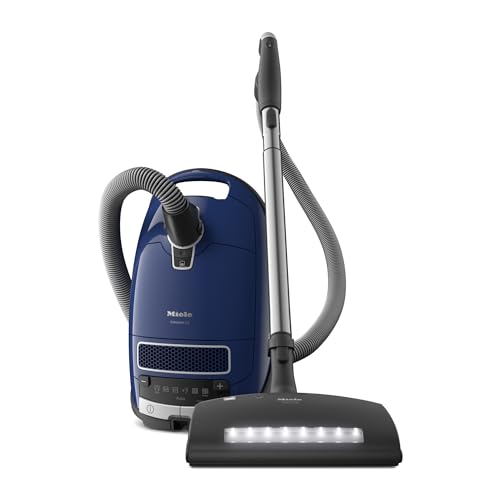
POWERFUL AND QUIET: Bagged canister vacuum optimal for all flooring types with an Electrobrush with LED headlight for carpets and Parquet floorhead for smooth flooring
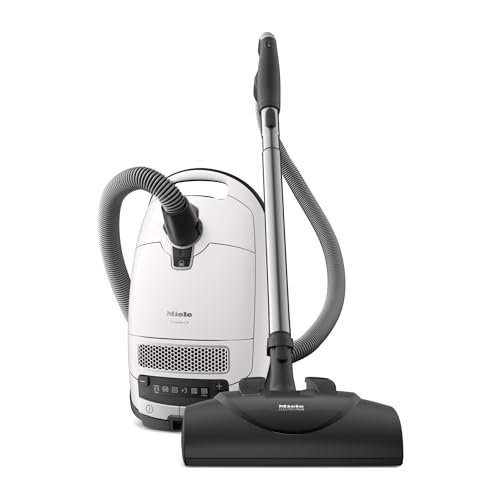
Powerful cleaning: Bagged canister vacuum designed for pet owners with an electrobrush floorhead featuring 5 carpet settings for all carpet types and parquet twister floorhead for smooth floors
The Importance of Regular Vacuuming
Regular vacuuming plays an essential role in cleaning and maintaining the longevity of rugs. To keep these furnishings looking their best, rugs need consistent care, particularly in high-traffic areas where dirt accumulates quickly. It is recommended to vacuum at least once or twice a month, increasing frequency as necessary. Embedded dirt can dull the fibers of rugs over time, making vacuuming vital for preserving their beauty and structural integrity. Natural fiber rugs, such as wool or jute, cannot withstand wet cleaning methods, so vacuuming is the primary maintenance strategy. Consistent vacuuming helps protect rugs from permanent damage caused by debris buildup, ensuring they remain soft and attractive for years, reinforcing their value within any living space. When vacuuming stairs, lightweight models like the Bissell Zing and Eureka 3670M are particularly suitable and facilitate ease of use.
Understanding Rug Construction and Its Impact on Care
Understanding the construction of a rug is essential for determining its proper care requirements. Rug construction types influence cleaning methods markedly; for instance, tufted rugs feature glued fibers that can shed excessively if cleaned with aggressive techniques. Conversely, woven rugs possess a denser structure, allowing for effective suction without causing harm, making standard vacuuming methods suitable. Flat-woven rugs require gentle vacuuming with handheld tools to minimize the risk of fraying and damage to intricate designs. Shag rugs, characterized by their long fibers, need specialized care; beating them outdoors can help eliminate dirt, as vacuuming may lead to tangling or pulling. Additionally, recognizing the material composition, such as wool or synthetic fibers, can guide appropriate cleaning frequency and vacuuming techniques. HEPA filters are critical for trapping fine particles, while sealed systems prevent dust from escaping back into the environment.
Alternatives to Vacuuming for Delicate Rugs
When vacuuming proves too harsh for delicate rugs, several effective alternatives can help maintain their condition. One option includes shaking or beating the rugs outdoors to dislodge dust without harming fibers. Another alternative is to use a soft-bristle brush to gently hand-clean the rug’s surface, removing dirt while protecting its integrity. Additionally, handheld vacuum attachments designed for upholstery can effectively clear dust with less aggressive suction compared to standard vacuuming. Lightly misting flat-weave rugs with water before brushing can lift dirt while preventing damage to threads. Finally, scheduling professional cleaning periodically guarantees deep cleaning that is safer than regular vacuuming techniques for delicate rugs, thereby extending their lifespan and appearance. For those looking for a vacuum that balances power and gentle maintenance, the Shark Navigator Lift-Away Vacuum offers enhanced suction while being versatile enough for delicate surfaces.
How to Spot Clean Between Vacuums
Effective spot cleaning is vital for maintaining the appearance and longevity of rugs between vacuum sessions. For effective results, homeowners should gently blot the stained area with a clean, absorbent cloth, as rubbing may damage fibers and spread stains. Utilizing a mild dish soap and water solution helps treat small spills; however, it is important to apply the mixture sparingly and avoid oversaturation to prevent water damage. Always test any cleaning solution on a hidden rug area to verify colorfastness and avoid discoloration. For pet stains, enzymatic cleaners designed specifically for carpets can effectively break down odor-causing substances without harming rug fibers. After spot cleaning, allow the area to air dry completely before vacuuming to prevent attracting dirt.
Professional Cleaning: When and Why to Consider It
Regular maintenance, including spot cleaning, prolongs the life of rugs, but professional cleaning can be an essential part of thorough care. Experts recommend scheduling professional cleaning every one to three years, depending on rug material and traffic levels. This guarantees deep dirt removal and revitalizes the rug’s appearance. Specialized cleaning techniques used by professionals effectively target ingrained dirt and stubborn stains that standard vacuuming may miss. Additionally, knowledgeable cleaners comprehend the specific care requirements for various fibers, such as wool or silk, preventing potential damage during the process. By rejuvenating the rug’s color and texture, professional cleaning markedly extends its lifespan beyond that achievable through improper maintenance, safeguarding the investment made in quality rugs.
Frequently Asked Questions
How to Vacuum a Rug Without Damaging It?
To effectively vacuum a rug without damage, employ suitable rug vacuuming techniques, utilize vacuum cleaner attachments for delicate fibers, and adhere to rug maintenance tips, ensuring the rug remains clean while preserving its integrity and appearance.
What Does Putting Baking Soda on Carpet Before Vacuuming Do?
Sprinkling baking soda on carpet enhances maintenance by promoting odor elimination and loosening dirt. The fine granules aid vacuum effectiveness, making carpet cleaning more efficient while ensuring a fresher, cleaner scent throughout the room.
Does Vacuuming Damage Rugs?
Vacuuming can potentially damage rugs if improper rug cleaning techniques are employed. Adopting appropriate vacuuming frequency and employing fiber protection methods, such as using suction-only vacuums, minimizes risks and preserves the integrity of delicate fibers.
How to Vacuum Natural Fiber Rugs?
In an unexpected twist of fate, maintaining natural fiber care involves using suction-only vacuum settings for ideal rug cleaning. Regular vacuuming in multiple directions preserves the integrity of sisal, seagrass, and jute rugs, ensuring longevity.
Conclusion
To summarize, proper vacuuming techniques can greatly extend the lifespan of rugs. Studies indicate that regular maintenance can reduce wear by up to 30%, underscoring the importance of appropriate vacuum selection and methods. Consumers should consider their rugs’ specific fibers and construction when vacuuming, as different materials require distinct approaches. By implementing these best practices, individuals can protect their investments while ensuring rugs remain clean and visually appealing over time. Regular attention contributes to long-term durability.


