As an Amazon Associate, we earn from qualifying purchases. Some links on this site are affiliate links at no extra cost to you. Our recommendations are based on thorough research and editorial judgment.


How to Unclog Hoses and Brush Rolls Safely on Any Vacuum

To unclog vacuum hoses and brush rolls safely, first disconnect the vacuum from power, wearing gloves and goggles for protection. Inspect hoses for kinks or visible clogs, then use a small object, like a marble, to locate blockages. Employ tools like a toilet snake or broom handle for deeper clogs, followed by rinsing hoses with soapy water and drying thoroughly. Regular assessments for wear can indicate when replacements are necessary. Further details are available for more extensive strategies.
Key Takeaways
- Always disconnect the vacuum from the power source before attempting any clog-clearing to ensure safety during maintenance.
- Conduct a visual inspection of the hose for kinks or visible blockages, which can significantly impede suction.
- Utilize simple tools like a broom handle or a toilet snake to gently dislodge clogs without damaging the hose.
- Submerge the hose in soapy water to clean thoroughly and rinse with faucet water pressure for a sanitizing effect.
- If persistent clogs occur or unusual noises arise, seek help from certified technicians to prevent further damage.
Understanding Vacuum Hoses and Brush Rolls
Understanding the components of a vacuum, particularly the hoses and brush rolls, is crucial for maintaining its efficiency. Vacuum hoses play an important role by transporting dirt and debris from the surface to the collection bag or canister, directly influencing overall suction power. When obstructed, their performance diminishes markedly. Brush rolls, situated at the vacuum’s base, agitate carpet fibers to dislodge dirt, but they can become clogged with hair, strings, and other materials, which hinders their effectiveness. Regular inspections of both components are necessary to identify clogs, indicated by reduced suction and increased noise. To maintain prime functionality, users should clean vacuum hoses monthly and check brush rolls for entangling debris, contributing to improved cleaning performance and longevity. For those looking for a budget-friendly option, the Eureka PowerSpeed Lightweight Upright Vacuum Cleaner provides a strong 960-watt motor and a large 2.6-liter bagless dust cup, which are excellent for maintaining suction even when cleaning larger areas.
Importance of Regular Maintenance

Regular maintenance of vacuum hoses and brush rolls is essential for ideal performance, as neglecting these components can lead to reduced suction power and ineffective cleaning results. Cleaning vacuum hoses monthly can considerably enhance overall performance and extend the appliance’s lifespan. Washable filters help reduce replacement costs and are eco-friendly, promoting sustainability by minimizing waste. Visual inspections after deep cleaning help identify potential clogs that may hinder suction efficiency. Addressing these clogs promptly can prevent severe blockages, which typically require extensive vacuum repair. Scheduled maintenance also minimizes conditions that could lead to blockages, such as large debris or packing foam. Additionally, maintaining brush rolls by removing hair and other debris can improve suction power, ensuring effective debris pick-up. Through diligent upkeep, homeowners can achieve high-quality cleaning results while preserving their vacuum’s functionality.
Signs Your Hose or Brush Roll Is Clogged

Vacuum efficiency can noticeably decline when there are clogs in the hose or brush roll, resulting in various signs that indicate the need for attention. A primary indicator of this issue is a loss of suction while using the vacuum cleaner, as airflow becomes restricted. If the vacuum is expelling dust or emitting unusual noises, such symptoms may suggest that debris is trapped inside. Additionally, a foul odor may originate from the vacuum, pointing to rotting organic materials within the hose. Difficulty in picking up dirt and debris, even from clear surfaces, signifies potential blockages. Regular visual inspections of the hose for kinks, bends, or visible clogs can help identify areas needing attention, impacting the efficiency of HEPA filters and vacuum bags. It’s important to maintain devices like the Bissell CrossWave OmniForce, which combines vacuuming and washing for effective hard floor cleaning, to prevent clogs and ensure optimal performance.
Safety Precautions Before Cleaning
Before beginning the cleaning process, it is essential to take certain safety precautions to guarantee a secure and effective experience. Vacuum cleaners should always be disconnected from the power source and unplugged to prevent any accidental starts. It is advisable to wear gloves to shield hands from sharp debris or cleaning agents while handling clogged hoses or brush rolls. Safety goggles are also recommended to protect the eyes from particles during unclogging. Ensuring that the vacuum is on a stable surface minimizes the risk of tipping, which can lead to injuries. Additionally, one should adhere to the manufacturer’s guidelines regarding cleaning and maintenance; this can help avoid any warranty issues or potential damage. Models with HEPA filters are particularly effective in trapping allergens, enhancing the air quality in your home. Let’s go forward with the cleaning process carefully.
Detaching the Vacuum Hose Properly
Detaching the vacuum hose properly is essential for effective maintenance and repair. First, confirm the vacuum is turned off and unplugged to prevent accidents. Users should consult the user manual tailored to their model for specific hose attachment techniques and detailed instructions. While detaching, it is advised to gently wiggle and pull the hose from its connection point, avoiding excessive force that might cause damage. Additionally, inspecting the hose for any attachments during detachment helps confirm a complete removal process. Regularly detaching and inspecting the hose is a critical hose maintenance tip that aids in identifying clogs or damage, thereby enhancing overall vacuum performance. These practices can mitigate vacuum compatibility issues and prolong the life of the equipment. For optimal performance, consider quieter vacuums operating below 70 dB to maintain a peaceful environment while cleaning.
Techniques for Unclogging the Hose
Identifying and removing clogs in a vacuum hose requires a systematic approach that prioritizes safety and efficiency. To locate a blocked area in a clogged hose, one effective troubleshooting technique involves dropping a small object, such as a marble, into the hose and listening for its movement. Instead of forcefully pushing objects, it’s advisable to inspect the handle nozzle for debris and utilize suction or a hooked wire. For deeper clogs, a toilet snake is an excellent tool, providing an extended reach without damaging the hose. Regular vacuum maintenance, including removing larger debris and using appropriate attachments, can help prevent future clogs. If cleaning is necessary, submerging the hose in soapy water, followed by scrubbing, guarantees thorough removal of obstructions. Additionally, HEPA filters play a crucial role in maintaining optimal vacuum performance by trapping fine dust particles, which helps prevent the buildup of debris in hoses and other components.
Recommended Products

[FITS MOST VACUUM CLEANERS ] Sealegend dryer vent vacuum attachment features a premium universal connector design, compatible with most vacuum cleaners, solving compatibility issues!

CHECK BEFORE YOU BUY: EZVAC's universal base is designed to fit multiple HVAC sizes. The custom black elbow ONLY fits a 1-inch opening and is ribbed for easy grip. Please make sure your drain line has a 1-inch opening before ordering

Home Essentials: Holikme dryer vent cleaner kit can easily help you to remove years of built up lint from your dryer vent, making your appliance runs more efficiently and securely; Suitable for most dryer types, please kindly check our product size information for reference in order to better shopping experience
Removing Debris From Brush Rolls
Cleaning brush rolls is an essential task that guarantees uninterrupted vacuum performance. Regular brush roll maintenance requires checking for accumulated hair and debris every few weeks. Neglecting this can inhibit suction effectiveness, especially after vacuuming areas with a lot of pet hair. To address this, users can employ specific debris removal techniques; for instance, using scissors or a seam ripper can help cut away tangled strings without damaging the bristles. Doing so not only enhances overall vacuum efficiency but also extends the lifespan of the appliance. Following these practical vacuum efficiency tips verifies that brush rolls remain clean and functional, ultimately allowing for more effective cleaning routines and better performance in various environments.
Recommended Products
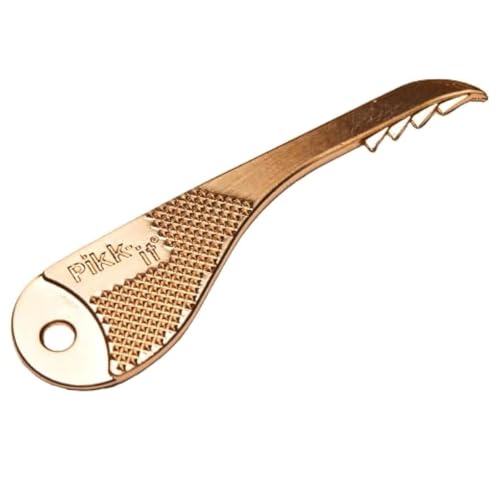
✅ WORKS ON ANY VACUUM: Pikk-it's unique design works with any vacuum, ensuring your device cleans more efficiently. Compatible with Dyson vacuum cleaners.
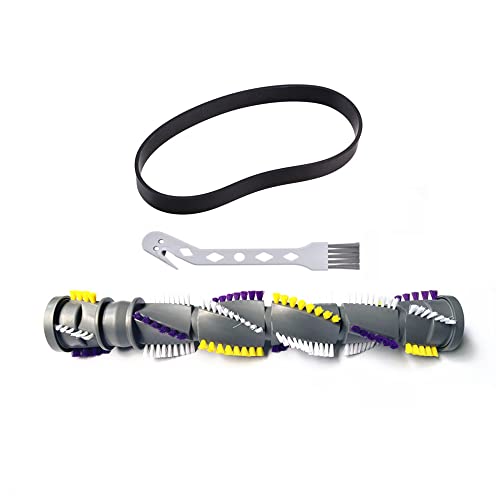
1. The product is suitable for Bisser vacuum cleaner brush roller belt 2252 2489 22543 24899 3195 3196 3197 3197A 3198 3198A 1327 1333 1820, 2383, 1825, 1813, 1823, 18252, 1825R, 1836, 1838, 2256, 2254, 22543, 22548, 2255, 2739, 2256K, 2258, 22582, 2259, 1830, 2260, 2253, 22547, 22549, 2316, 2252, 2488, 2486, 2487, 2492, 2490, 2489, 24899, 2491, 2494, 2254 replacement part number 1604545, 1611230

First4Spares brushroll compatiable with Shark NV501 NV500 UV560 NV502 NV505 NV501c NV520QPR NV520QR NV550 NV520 NV520q <b>DOES NOT FIT NV600 SERIES.</b>Please check your brushroll and correct model for this part. There are a number of different models in the Shark Rotator line, this is made for the Rotator Professional Lift Away.
Washing the Vacuum Hose Effectively
Washing a vacuum hose effectively involves a systematic approach to guarantee thorough cleanliness and peak performance. First, fill a tub with about 15 centimeters of water mixed with mild detergent, then fully submerge the hose for ideal cleansing. After soaking, utilize a damp cloth to wipe the outer surface, ensuring no harsh chemicals are used that might damage materials. For stubborn grime, cleaning tool recommendations include a bottle cleaning brush, which can reach into folds without causing harm. Rinse the hose thoroughly using faucet water pressure, ensuring all soap is eliminated. To complete the hose maintenance techniques, shake it out in a ‘U’ shape and let it air dry for several hours before reattaching, enhancing suction and preventing odors. It’s important to regularly maintain your vacuum, as easy-to-empty dust cups minimize maintenance chores and help prevent loss of suction.
Recommended Products

[Stretch Universal Connector] PetOde dryer lint vacuum cleaner attachment is designed with a premium elasticated stretch universal connector that can be connected to most vacuum cleaners! Say goodbye to the worry of purchasing incompatible attachment models

[Universal Connector] PetOde dryer lint vacuum cleaner attachment is designed with a premium universal connector that can be connected to most vacuum cleaners! Say goodbye to the worry of purchasing incompatible attachment models
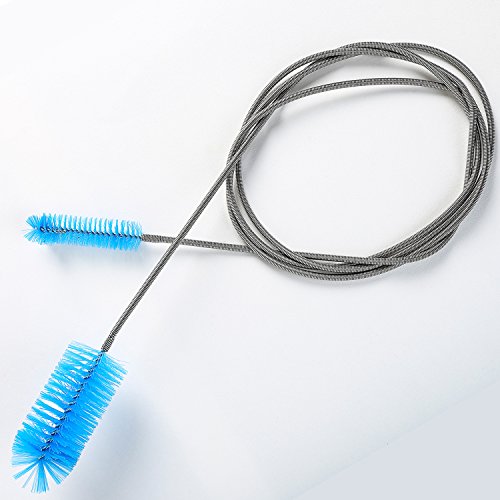
FLEXIBLE DOUBLE ENDED BRUSH:made of high quality soft nylon bristles and stainless steel, flexible two-end long brush, sky blue plastic and it can reuse for many times, easy to push and pull.
Using Cleaning Tools for Stubborn Clogs
Facing stubborn clogs in vacuum hoses can be frustrating, yet employing the right cleaning tools can effectively resolve these issues. Utilizing a broom handle or similar long object enables a gentle push through clogs without damaging the hose material. For tough grime, a bottle cleaning brush offers precision in reaching hard-to-access areas, making it an effective tool for deep cleaning. In cases of deep-seated clogs, professional-grade tools like a toilet snake can extract hidden debris. Additionally, adjusting the vacuum’s suction power appropriately during troubleshooting techniques can prevent damage to sensitive components. Following these clog prevention tips, while regularly inspecting and cleaning brush rolls, can greatly enhance performance and reduce the likelihood of future blockages within the vacuum system. For vacuums with HEPA filters, regularly checking and maintaining these components is crucial for managing allergens and ensuring peak performance.
Recommended Products

[Flexible Adapter]–This Dryer Vent Cleaner Kit with a felxible adapter and Vacuum Attachment Hose whith Fits with Most Vacuum Cleaner, and most dryer vent systems and for versatile use.

You will get 1 pcs 66" dual-ended drain brush with 0.6" and 1.2" diameter bristle heads, 1 pcs 58" pipe brush with 0.5" diameter bristle head, 2 pcs 8" straw cleaner brush with 0.4" diameter bristle head.
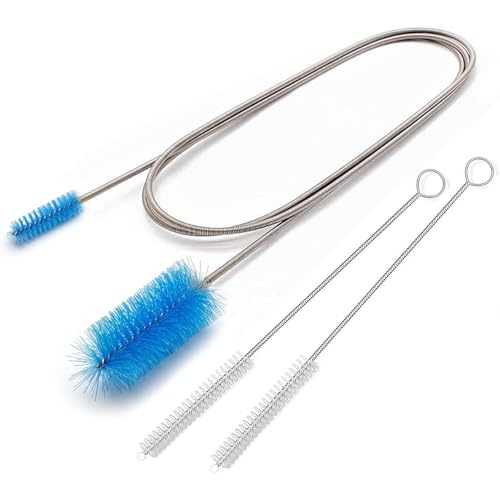
🚫UNCLOG NARROW TUBES INSTANTLY: Tired of water pooling in your fridge or grime clogging your aquarium filters? This 67-inch (170cm) extra-long flexible drain brush is the ultimate problem-solver. It easily snakes through deep, narrow, and curved tubing to effortlessly remove gunky buildup, dirt, and residue.
Rinsing and Drying the Vacuum Hose
Rinsing and drying the vacuum hose is essential for maintaining peak performance and prolonging the life of the appliance. To effectively clean the hose, one should utilize faucet water pressure while holding the hose in a ‘U’ shape, which helps remove debris thoroughly. During this vacuum hose maintenance process, using a mild detergent or a mixture of baking soda and vinegar can enhance sanitization without damaging the hose material. After rinsing, it is vital to shake out excess water, preventing mold and odors from developing inside. Following this, drying methods involve allowing the hose to hang for several hours ensuring all water drains out fully before reattachment to the vacuum, conserving suction power and improving overall cleanliness. It is crucial to ensure that the HEPA filtration systems in your vacuum are also well maintained, as they play a key role in trapping allergens and dust particles, which can otherwise affect the air quality in your home.
Assessing Condition and Need for Replacement
Evaluating the condition of a vacuum’s hose and brush roll is crucial for guaranteeing best performance and longevity. Regular inspections should reveal any visible signs of wear, such as cracks or frays, which may necessitate replacement. A loss of suction or trouble picking up debris often indicates an issue in the hose or brush roll that requires investigation for blockages. Additionally, unpleasant odors from the vacuum may suggest trapped debris or a failing brush roll, signaling a need for cleaning or replacement. Various hose types, including 32mm, 35mm, and 38mm, guarantee users can find a compatible option for their vacuum. Ultimately, replacing hoses and brush rolls that consistently clog can enhance vacuum performance and maintain efficiency over time.
Recommended Products

Package Includes: This replacement brush roll kit includes 1 roller brush, 2 belts, 1 cleaning tool and 2 lower duct hoses, providing valuable spare parts for your vacuum cleaner

Genuine replacement part

【Durable Metal Construction】Made of high - quality metal, this roller brush is more durable and long - lasting than traditional ones. It can withstand heavy - duty use in commercial environments;
When to Seek Professional Help
Recognizing when to seek professional help with a vacuum cleaner can prevent further damage and assure efficient operation. If attempts to clear severe clogs have proven unsuccessful, it may indicate deeper issues requiring specialized tools, such as a toilet snake, that only professionals possess. Observing unusual noises, persistent odors, or suction problems, despite repeated DIY efforts, suggests potential mechanical failures linked to clogging causes that could affect vacuum longevity. In addition, certified technicians can provide expert evaluations to determine if the clogs stem from underlying design flaws. Utilizing warranty services from authorized dealers guarantees that repairs incorporate genuine parts, optimizing repair options and extending the vacuum’s lifespan. Consulting experts is vital for effective resolution, particularly when problems persist despite regular maintenance. For those dealing with wood chips, high suction power above 10,000 Pa is crucial in effectively collecting debris, which may also help reduce clogging issues.
Frequently Asked Questions
What Is the Best Way to Unclog a Vacuum Hose?
The best way to unclog a vacuum hose involves following vacuum maintenance tips, inspecting for blockages, and utilizing tools like a toilet snake. Additionally, consider preventing clogs through regular checks and exploring hose replacement options when necessary.
How to Clean a Vacuum Brush Roll?
Effective brush roll maintenance enhances vacuum performance. Essential cleaning techniques include removing debris with scissors, wiping with a damp cloth, and ensuring proper drying to prevent mold, while regularly inspecting for wear is vital for peak functionality.
Why Does My Vacuum Hose Keep Clogging?
Vacuum hose clogging causes often include debris accumulation, such as hair and larger particles. Regular vacuum maintenance and proper hose care, including monthly inspections, can help minimize blockages and enhance overall cleaning efficiency.
How to Clean the Inside of a Vacuum Cleaner Hose?
Cleaning the hose of a vacuum creates a pristine, almost magical machine. Regular vacuum maintenance tips recommend monthly hose inspection techniques, while cleaning frequency guidelines emphasize using warm, soapy water to eliminate debris effectively for optimum performance.
Conclusion
Effective maintenance of vacuum hoses and brush rolls is essential for peak performance, prolonging the lifespan of your vacuum cleaner. Regular inspections, coupled with proper cleaning techniques, can transform stubborn clogs into nonexistent nuisances. By following these guidelines, users can guarantee their vacuum operates at maximum efficiency, making the difference between a mediocre clean and one that rivals the power of a tornado. If issues persist after self-service, consulting a professional remains an advisable option for maintaining high-quality performance.


