As an Amazon Associate, we earn from qualifying purchases. Some links on this site are affiliate links at no extra cost to you. Our recommendations are based on thorough research and editorial judgment.

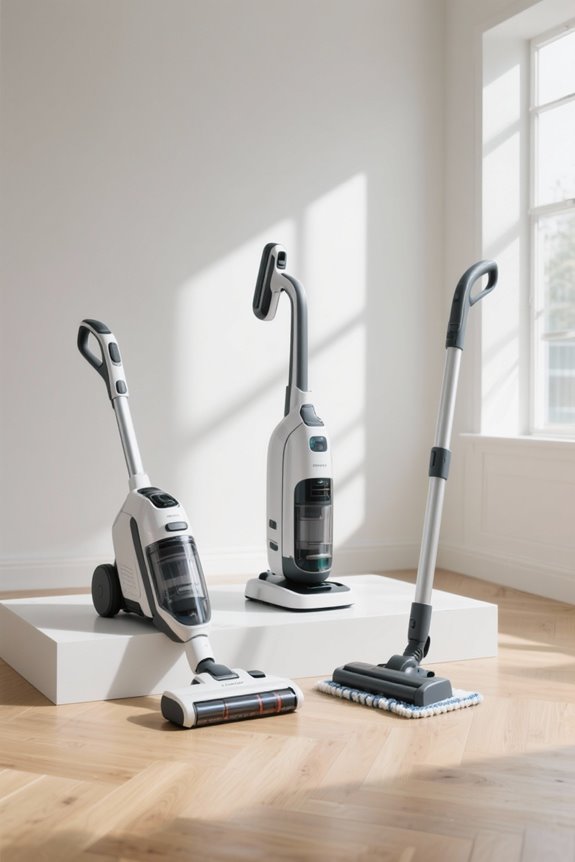
Preventing Mold and Odors in Vacuum + Mop Dirty Water Tanks

To prevent mold and odors in vacuum and mop dirty water tanks, users should regularly rinse and dry the tanks after each use. Stagnant water and organic debris create conditions for mold growth, so removing the recovery tank cap during rinsing enhances airflow. Utilizing cleaning solutions like vinegar or mild soap further neutralizes odors. Additionally, storing components in a dry area and employing desiccants can control moisture levels, ensuring cleaner operation. More effective strategies await exploration.
Key Takeaways
- Empty and rinse the dirty water tank after each use to eliminate moisture and prevent mold growth.
- Ensure tanks are dried thoroughly by leaving lids open for improved airflow after cleaning.
- Use biological cleaning solutions like white vinegar to breakdown organic matter and neutralize odors.
- Store vacuum and mop components in a dry area to reduce humidity and mold risk.
- Implement a routine maintenance schedule to clean internal components and enhance overall device performance.
Understanding the Causes of Mold and Odors in Tanks
When considering the factors that contribute to mold and odors in vacuum tanks, it becomes clear that stagnant water plays a critical role. Dirty water tanks that retain moisture are prime environments for bacterial and fungal growth, which leads to mold development. Organic debris, including pet hair and leftover cleaning solutions, further complicate this issue by providing nutrients for mold and creating unpleasant odors. High humidity can exacerbate moisture buildup, increasing the likelihood of these issues. Regular rinsing and drying of the dirty water tank, after each use, greatly help mitigate mold growth and reduce bad odors. HEPA filtration can improve indoor air quality by reducing allergens, which is beneficial when addressing mold and odor issues in vacuum systems. Incorporating natural disinfectants such as vinegar or baking soda during cleaning sessions can also effectively neutralize odors while preventing mold formation within the tanks.
Importance of Regular Maintenance and Cleaning
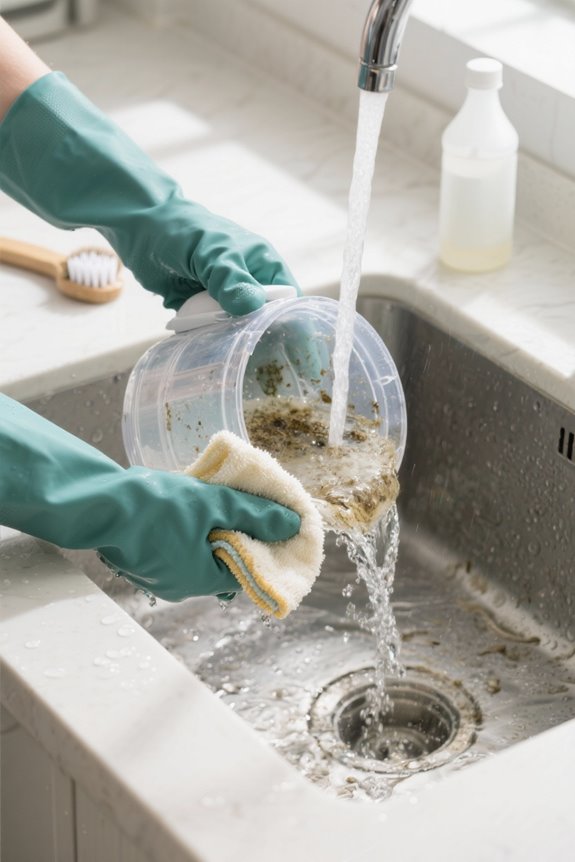
Regular maintenance and cleaning of vacuum and mop dirty water tanks are essential to guarantee maximum performance and hygiene. Stagnant water can create a breeding ground for mold and bacteria, leading to unpleasant odors that are difficult to eliminate. Emptying and rinsing the dirty water tank after each use greatly reduces moisture, preventing mildew and musty smells from developing within days. Additionally, leaving the tank lid open enhances airflow, allowing the interior to remain clean and dry. Utilizing a biological cleaning solution during maintenance effectively breaks down organic matter, further supporting the prevention of odors. Consistent cleaning of internal lines and components reduces debris buildup, which can trap bacteria and mold, ensuring a fresher environment for cleaning tasks. HEPA filters are vital in preventing harmful dust from escaping, enhancing air quality during cleanups.
Recommended Products

Built for Medium-to-Large Commercial Hard Floors: This 22-inch walk-behind floor scrubber is ideal for retail stores, schools, offices, gyms, workshops, and mixed-use commercial spaces that need dependable daily cleaning without stepping up to a larger, bulkier machine

👍[Intensive, Deep Scrubbing] Equipped with a 15 inch brush, the floor scrubber machine concentrated cleaning force to lift tough dirt, grease, and grime from tile, grout, concrete, and more. Easily navigates in tight spaces. Cleans right up to walls, corners, and around obstacles that larger scrubbers can't reach, eliminating the need for manual mopping in most areas.

MopSwap System: Comes with three interchangeable mop pads made for different needs. ThermoHold Mop tackles oily residues in kitchens with heat-lock tech that breaks down grease. Plush Mop features ultra-soft fibres that absorb moisture and lift dust and fits for delicate surfaces like wooden floors. HyperClean Mop, made of composite fibres, delivers effective all-around cleaning for every corner of the home.
Proper Rinsing Techniques for Dirty Water Tanks
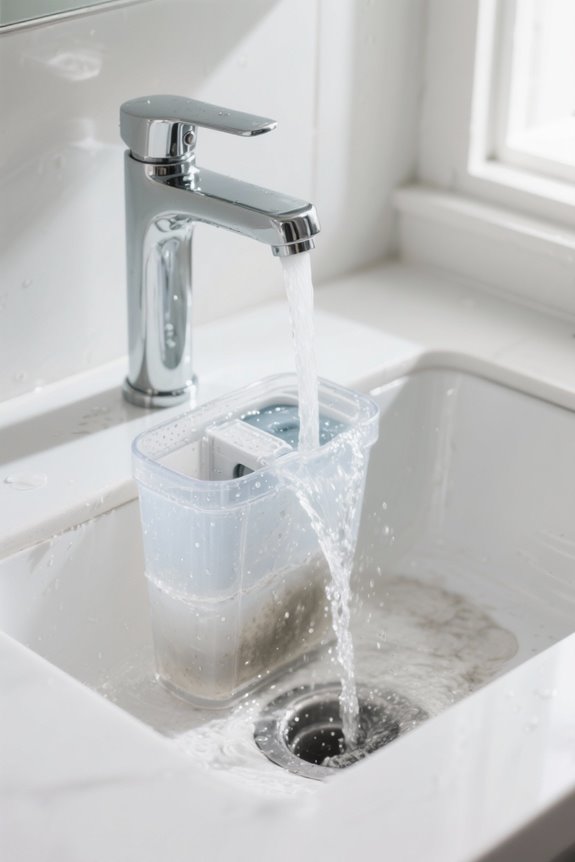
Proper rinsing techniques for dirty water tanks play an essential role in maintaining hygiene and performance after cleaning tasks. To start, it is important to rinse the tank with clean water immediately after use, preventing the growth of bacteria and odors resulting from stagnant debris. Removing the recovery tank cap during rinsing enhances airflow, promoting quicker drying and limiting unpleasant smells. Additionally, using a drain hose can effectively eliminate residual moisture, which is fundamental for maintaining a clean environment. Smart navigation features, like LiDAR, ensure efficient coverage and obstacle avoidance, contributing to overall cleaning efficiency. Regularly cleaning the tank helps prevent organic matter buildup that contributes to foul odors. By adopting these practices, users can guarantee their vacuum systems remain mold-free and efficient, thereby preserving their longevity and effectiveness in cleaning tasks.
Recommended Products

CUT CLEANING TIME IN HALF: Simplify your routine — vacuum and mop together to tackle wet and dry messes at the same time on multiple hard surfaces like tile, sealed wood floors, laminate, and more; it even refreshes area rugs.

Powerful 18,000Pa Suction with Smart AI: Effortlessly tackle messes with this wet dry vacuum cleaner that vacuums and mops at the same time. Designed as a mop vacuum cleaner for hard floor, it removes dust, debris, and spills. Smart AI automatically adjusts suction and water flow, while allowing you to manually adjust the water output with three levels to meet your specific needs. Recovers up to 95% of dirty water, leaving your floors dry quickly

Prolux mini air driven turbo nozzles with durable brush and geared slip proof belt. The mini turbo is the perfect tool for stairs, cloth furniture and vehicle upholstery.
Effective Cleaning Solutions to Combat Odors
Effective cleaning solutions play an essential role in combating odors within vacuum tanks, ensuring that maintenance routines remain efficient and hygienic. Regularly rinsing the dirty water tank with clean water helps eliminate residue buildup, greatly reducing the risk of unpleasant odors. Incorporating cleaning agents like white vinegar or mild soap can neutralize bacteria and odors effectively. Additionally, implementing a routine of immediate cleaning after use prevents mold growth from stagnant conditions. Adding odor-neutralizing agents such as baking soda to the clean water tank can help maintain a fresher smell, extending intervals between cleanings. Proper storage, including leaving the tank lid open, enhances airflow, thereby reducing moisture retention and helping prevent unpleasant odors from developing over time. For enhanced air quality, consider using vacuums with HEPA filters that capture 99.97% of allergens, which can also contribute to a fresher environment.
Recommended Products

Ride-on Design & Capacity: Elevate your cleaning efficiency with the ride-on x26R floor scrubber. Its 30-inch cast aluminum squeegee and 26-inch cleaning path ensure vast areas are covered swiftly. The 22-gallon solution tank and 25-gallon recovery tank support extended cleaning sessions, making it indispensable for large-scale industrial and commercial tasks.

Built for Large Industrial Sweeping Jobs: This 49-inch ride-on floor sweeper is designed for large hard-surface areas like warehouses, factories, parking facilities, and commercial spaces, with cleaning efficiency up to 69,000 sq ft/h.

[STABLE & SECURE] : Three large, solid tires, lightweight steering, and improved mobility ensure smooth handling and reliable operation of this industrial floor sweeper. Hydraulic disc brakes provide responsive stopping power for added safety.
Best Practices for Storing Vacuums and Mops
Storing vacuums and mops in an excellent manner greatly aids in extending their lifespan and maintaining hygiene. To guarantee peak storage, place vacuum cleaners and mops in a cool, dry area, reducing humidity that causes mold and unpleasant smells. All components, particularly tanks and filters, should be completely dry before storing to prevent moisture buildup. It is beneficial to use deodorizers like activated charcoal or baking soda to absorb lingering odors. Additionally, regularly check storage spaces for dust and guarantee proper ventilation to limit mold growth. Immediately after use, clean dirty water tanks and store them without lids or caps, promoting air circulation and preventing stagnant odors in the storage area. For effective dust collection, choosing a vacuum with a HEPA filter can significantly improve air quality by capturing 99.97% of particles.
How to Monitor for Bacteria and Mold Growth
How can individuals guarantee that bacteria and mold do not compromise the integrity of their vacuum tanks? Regular inspection of the dirty water tank is essential; individuals should look for discoloration or unpleasant smells, which may signal bacterial or mold growth. A consistent cleaning routine is important; rinsing and drying the tank after each use can effectively inhibit mold and bacteria development. Utilizing a flashlight, one can inspect the tank’s interior for hidden residues that may promote bacterial growth. Additionally, monitoring humidity levels in the storage area can help maintain a low environment, as high humidity encourages mold and bacteria. Finally, using antibacterial cleaning agents during rinsing can further reduce the risk of contamination in the dirty water tank. Some robot vacuum models are equipped with features like self-emptying bases and smart navigation to enhance cleaning efficiency and make maintenance easier.
Recommended Products for Odor Control
Maintaining a clean environment in vacuum tanks is essential for preventing unpleasant odors and bacterial growth. Baking soda serves as an effective odor neutralizer when added to the clean water tank, absorbing unwanted smells while reducing the frequency of cleanings. Odoban, formulated specifically for odor elimination, can be added to the dirty water tank to neutralize scents and combat bacteria. Mild dish soap diluted in water offers a simple approach to maintain cleanliness and minimize odors in vacuum mop systems. Additionally, vinegar acts as a natural disinfectant, preventing bacteria and odor build-up when introduced in small amounts. These recommended products support effective odor control and contribute to a healthier cleaning environment. Regular maintenance of washable filters is crucial to ensure optimal performance and indoor air quality.
Recommended Products

WASHLET+: exclusively designed to work with a T40 WASHLET+ toilet to conceal the WASHLET water supply and power cord for seamless integration

🌿 Pure & Natural: Experience the highest purity with our Sodium Chlorite, 80% Flakes. Absolutely no additives, preservatives, fillers, or binders - just the single, raw ingredient in its most natural state.

DENTAL DISEASE AFFECTS 30% OF DOGS — START BRUSHING EARLY: Dental disease causes daily pain and discomfort, and pets are pros at hiding it. Starting a brushing habit with puppies using this training kit reduces plaque and tartar from a young age.
Tips for an Odor-Free Vacuum and Mop Experience
An odor-free vacuum and mop experience relies on several key practices that considerably reduce unpleasant smells and maintain cleanliness. Regularly emptying and rinsing the tank after each use is essential to prevent bad smells caused by stagnant water. It’s also helpful to leave the tank lid open post-cleaning, ensuring airflow that reduces moisture buildup. Incorporating a biological cleaning solution or a mild dish soap can effectively neutralize odors. Additionally, adding a small amount of white vinegar enhances deodorizing properties and acts as a natural disinfectant. For robot vacuum users, routine maintenance, including checking internal lines and tank components, prolongs device life while minimizing unpleasant odors. Implementing these practices creates an excellent freshness in the cleaning process. It’s important to use vacuums with high-efficiency cyclonic dust collection to ensure optimal air quality and reduce the risk of odors caused by lingering dust particles.
Recommended Products

PREVENTS LIMESCALE BUILDUP: Our formula stops mineral deposits before they clog your steam mop and reduce performance. It heats up faster than tap water for a consistent, powerful steam that leaves floors streak-free.
Brilliantly Clean Results: Easily and effectively removes grime and sticky messes, revealing the natural beauty of your floors. Suitable for cleaning everyday messes in high-traffic areas

Multi-Purpose: Our cleaning concentrate cleans, disinfects, freshens, and eliminates unpleasant stenches. This set of two, one-gallon jugs features a fresh linen scent.
Frequently Asked Questions
How to Keep a Robot Vacuum Dirty Water Tank From Smelling?
To mitigate odors in a robot vacuum’s dirty water tank, effective robot vacuum maintenance includes diligent water tank cleaning, implementing odor prevention tips, and employing routine hygiene practices to enhance overall cleanliness and freshness.
How to Keep a Dirty Water Tank From Smelling?
To keep a dirty water tank from smelling, regular tank maintenance is essential. Incorporating effective cleaning solutions and ensuring proper airflow during drying can greatly aid in odor elimination and maintain ideal hygiene.
How to Get Rid of Dirty Mop Water Smell?
Studies indicate that 80% of odor issues stem from bacteria in wet environments. Effective mop water tips include vinegar solutions for odor prevention and using cleaning techniques like regular rinsing to maintain freshness and hygiene.
Do Robot Vacuum Mops Get Moldy?
Yes, robot vacuum mops can get moldy without proper robot vacuum maintenance. Implementing mold prevention tips, utilizing effective tank cleaning techniques, and applying odor elimination methods are essential to keep them clean and odor-free.
Conclusion
In summary, preventing mold and odors in vacuum and mop dirty water tanks is essential for maintaining a clean home environment. Regular maintenance, proper rinsing, and utilizing effective cleaning solutions can greatly enhance the longevity of these appliances. With diligent care, one can achieve an odor-free experience that feels like a refreshing change, transforming your cleaning routine into a truly pleasant task. Implementing the recommended best practices will guarantee peak performance and cleanliness over time.


