As an Amazon Associate, we earn from qualifying purchases. Some links on this site are affiliate links at no extra cost to you. Our recommendations are based on thorough research and editorial judgment.

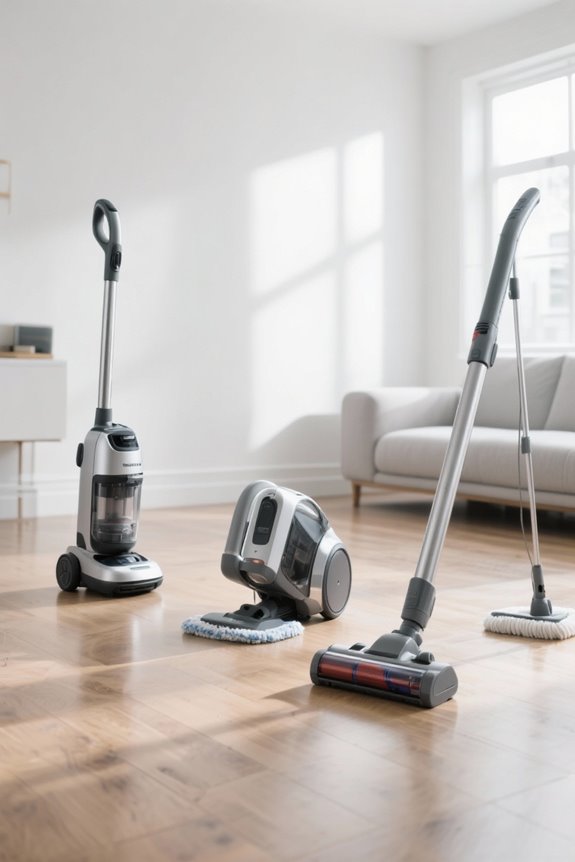
Simple Ways to Extend the Lifespan of Your Vacuum Cleaner

To extend the lifespan of a vacuum cleaner, regular maintenance is essential. Owners should routinely check and empty dust bags or canisters, ideally when two-thirds full, as full containers cut suction power notably. Cleaning or replacing filters enhances airflow and traps allergens, while inspecting the brush roll prevents debris buildup. Careful storage also helps, as it minimizes damage and clutter. Planned professional maintenance every 1 to 2 years can identify issues early. Further insights on best practices await.
Key Takeaways
- Schedule professional maintenance every 1 to 2 years to prevent costly repairs and enhance performance.
- Regularly empty dust bags or canisters when two-thirds full to maintain strong suction power.
- Clean or replace filters, especially HEPA filters, every 6 to 12 months for optimal airflow and air quality.
- Inspect and clean the brush roll frequently to avoid clogs and ensure efficient suction on various surfaces.
- Store vacuums properly, such as upright against walls or in docking stations, to prevent dust buildup and damage.
Importance of Vacuum Maintenance
Although many individuals may view vacuum maintenance as a minor consideration, it greatly affects the appliance’s overall performance and longevity. Regular vacuum maintenance can extend the life of the device by mitigating wear and tear, which reduces the risk of costly repairs and replacements. Additionally, proper maintenance enhances cleaning efficiency, ensuring effective removal of dirt and allergens from various surfaces. This routine care also plays an essential role in improving indoor air quality, as it minimizes dust recirculation, thereby contributing to a healthier living environment. Following a consistent maintenance schedule prevents debris buildup and clogs, markedly enhancing the vacuum’s performance. Furthermore, simple preventive care promotes quieter operation, making the cleaning process more pleasant for users. Using vacuum cleaner wand extensions can further enhance cleaning efficiency by reaching high areas and corners effectively.
Reading the Manual
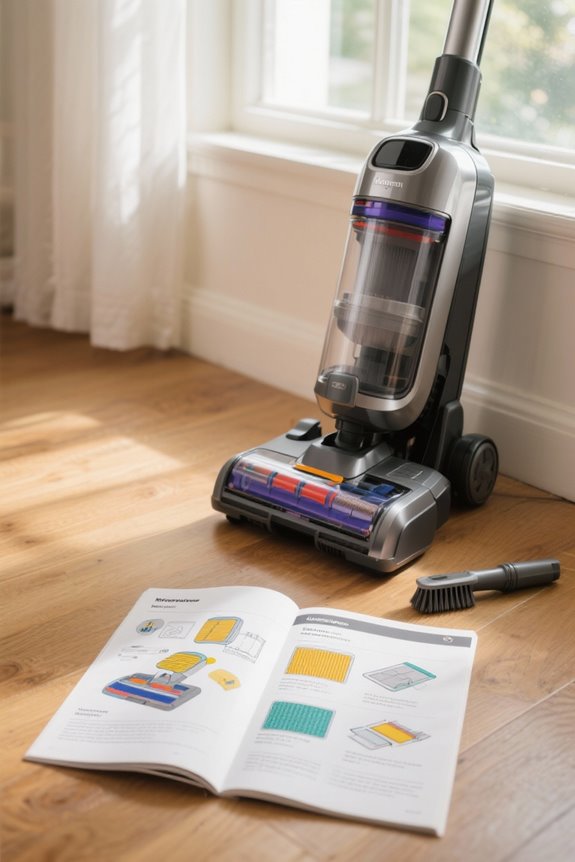
How can reading the vacuum cleaner’s manual substantially impact its maintenance and performance? By familiarizing oneself with the manual, users can understand the unique features and specifications of their model. This document provides essential maintenance tips and detailed procedures that promote proper maintenance, ultimately extending the vacuum’s life. Key recommendations often include filter cleaning and replacement frequencies, vital for maintaining ideal suction power and air quality. Additionally, manuals contain valuable warranty information, which can influence repair conditions if maintenance is neglected. By reading the manual, users can avoid accidental damage during maintenance, follow best practices for storage and usage, ensuring the vacuum operates efficiently and effectively throughout its intended lifespan. Among the 10 Best Affordable Vacuum Cleaners, the Eureka PowerSpeed Lightweight Upright Vacuum Cleaner (NEU181A) is a prime example of a model that benefits from proper maintenance.
Recommended Products

Perfect Compatible with Shark Navigator Lift Away Models: NV350_26, NV350A_26, NV350E, NV350Q, NV350T, NV350W, NV350W_N, NV350WC, NV351, NV351C, NV351WM1, NV351WM2, NV352, NV352C, NV352CFS, NV352E, NV352Q, NV354C, NV355, NV355-26, NV355C, NV355CFS, nv356E, NV356K, NV356Q, NV357, NV358, NV358BRN, NV360, NV367, NV360K, NV361BK, NV361PR, NV370, NV370_26, NV380, NV391, NV391C, UV440, UV440CCO, UV440CCOFS, UV490CCO, UV500WM, UV540, UV540CCO, UV541CCO, UV550, ZU503AMZ, CU500/CU512 series, Compare to Part # Xff350 & # Xhf350.

Replacement filter for Shark NV500, NV501, NV502, NV503, NV505, NV510, NV520, NV552, UV560, NV642, ZU780, ZU782, ZU785,Compare to Part # XFF500
Regular Dust Bag or Canister Maintenance
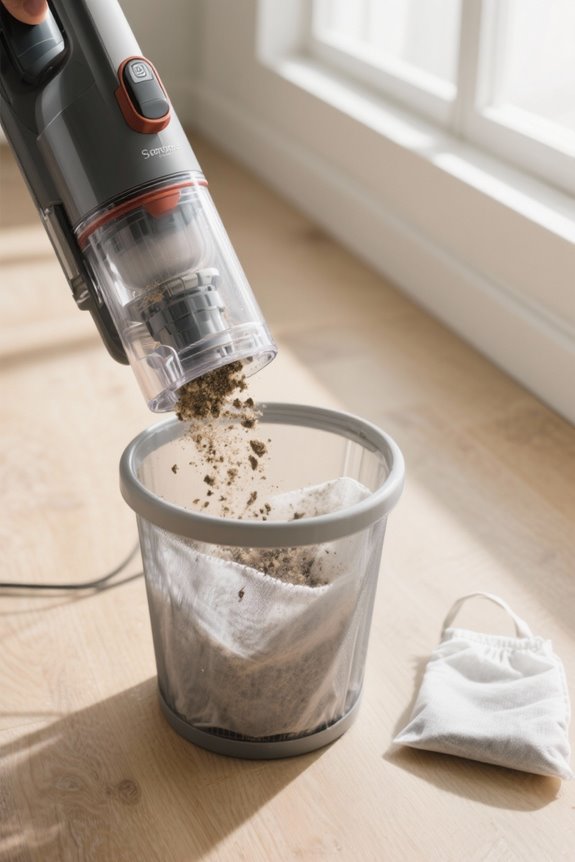
Maintaining regular dust bag or canister cleanliness is essential for ensuring peak vacuum performance, as neglecting this can greatly affect suction power and motor longevity. For best maintenance, dust bags or canisters should be emptied when they are approximately two-thirds full. A full dust container can reduce suction power by up to 50%, straining the vacuum’s motor and decreasing its lifespan. In bagless models, frequent cleaning of the dust cup is vital to prevent clogs, ensuring effective airflow during operation. Consistent monitoring of dust levels enhances the vacuum’s cleaning performance and efficiency. Adhering to these maintenance practices can help avoid dust and debris buildup that hinders suction, ultimately leading to superior cleaning effectiveness. Additionally, selecting vacuums with brushless technology can reduce hair tangling, further contributing to the longevity and efficiency of the vacuum cleaner.
Recommended Products

New and Improved: HyClean Air GN vacuum bags are slimmer in size with a more environmentally conscious design, offering a 10x better dust retention rate than Miele's original AirClean FJM bags
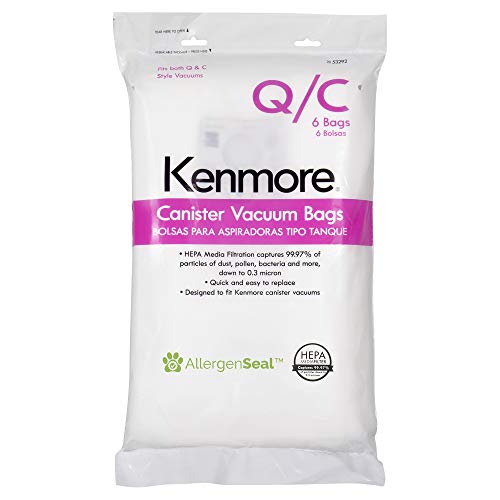
Fits Kenmore canister vacuum cleaners that use type Q replacement bags

9 EnviroCare Replacement Micro Filtration Vacuum Bags to fit Eureka Mighty Mite 3670 and 3680 Series Canisters
Cleaning or Replacing Filters
Effective cleaning or replacement of vacuum filters is essential for maintaining ideal performance and indoor air quality. Regularly checking filters, as recommended by the manufacturer, helps guarantee optimum airflow and suction efficiency. For HEPA filters, replacement is typically necessary every 6 to 12 months to avoid clogs that can diminish power and worsen air quality. For bagless vacuums, cleaning the filters monthly promotes consistent performance across various surfaces. Users should consult their vacuum’s manual for specific guidelines on filter maintenance, including suggested cleaning methods and replacement intervals. Keeping filters clean enhances vacuum efficiency while effectively trapping dust and allergens, contributing to a healthier indoor environment. Prioritizing filter care extends the lifespan of the vacuum considerably. Additionally, self-cleaning brush rolls in models like Shark Navigator can enhance pet hair removal and reduce maintenance efforts.
Recommended Products

FIT MODELS – The AZ3002 vacuum filters are compatible with Shark Stratos DuoClean PowerFins Upright Vacuum Cleaner AZ3002 AZ3000 AZ3000W. Filter made of FSC-Certified paper.
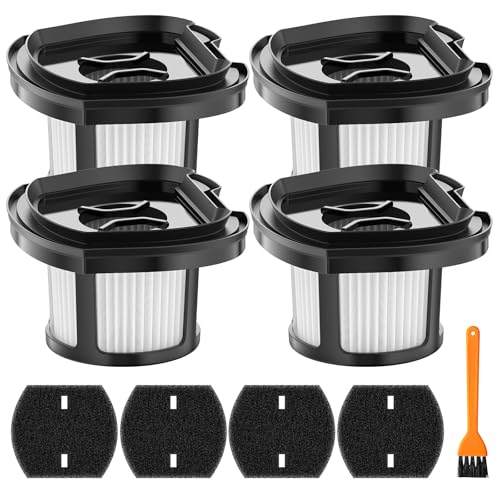
Compatible with Bissell Pet Hair Eraser Filter Hand Vacuum 2284W 2390 2389 2390A 2579 2389D 2389C 2057. Compare to Parts # 1614212 1614203 1614204.

Perfect Compatibility: The Vacuum replacement filter is fit for NV500, NV501, NV502, NV503, NV505, NV510, NV520, NV552, UV560, NV642, ZU780, ZU782, ZU785, Replaces Part # Xff500 Xhf500. NOT fit for Rotator NV650 & NV750, NV755 & UV795, NV680 & NV800 series
Brush Roll Care
Regular inspection of the brush roll is essential for ensuring a vacuum cleaner’s performance, as neglecting this component can lead to reduced cleaning effectiveness. Regular maintenance prevents the accumulation of pet hair and debris, which can cause significant wear and tear. Homeowners should carefully monitor the brush roll for any signs of damage and remove tangled materials using scissors or a seam ripper. Maintaining a clean and healthy brush roll not only enhances airflow but also supports strong suction for efficient dirt removal from carpets. Additionally, scheduled brush roll care, especially in pet-friendly households, helps avoid clogs and extends the lifespan of the vacuum cleaner, ensuring continued high-quality cleaning capabilities. Incorporating self-cleaning brush rolls can further minimize hair wrap, enhancing the vacuum’s longevity and performance.
Hoses and Attachments Maintenance
Inspecting hoses and attachments is an important part of vacuum cleaner maintenance that can greatly influence performance and longevity. Regularly checking hoses for blockages is vital, as clogged hoses can greatly reduce suction and overall cleaning efficiency. To maintain peak airflow, users should employ long, flexible brushes or compressed air to clear out debris. Moreover, inspecting attachments for wear and tear is essential; damaged accessories can hinder vacuum performance and may require replacement. Additionally, any tangles or obstructions in hoses and attachments must be cleared to guarantee smooth operation. Keeping these components free from dust and debris not only enhances vacuum performance but also helps extend the lifespan of the vacuum cleaner overall, assuring effective cleaning for many years. Flexibility in hoses is crucial to avoid kinking and maintain airflow, which is important for optimal cleaning results.
Recommended Products

[Stretch Universal Connector] PetOde dryer lint vacuum cleaner attachment is designed with a premium elasticated stretch universal connector that can be connected to most vacuum cleaners! Say goodbye to the worry of purchasing incompatible attachment models

[Universal Connector] PetOde dryer lint vacuum cleaner attachment is designed with a premium universal connector that can be connected to most vacuum cleaners! Say goodbye to the worry of purchasing incompatible attachment models
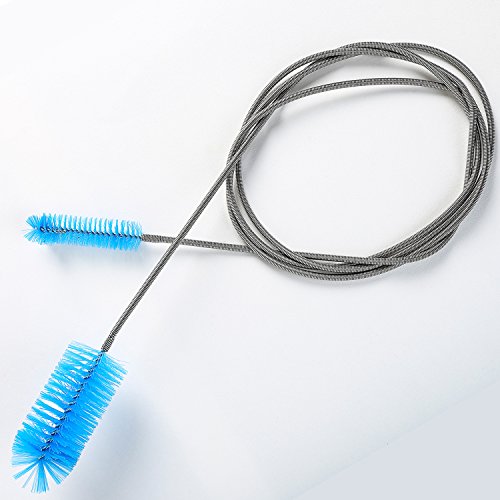
FLEXIBLE DOUBLE ENDED BRUSH:made of high quality soft nylon bristles and stainless steel, flexible two-end long brush, sky blue plastic and it can reuse for many times, easy to push and pull.
Cord and Plug Inspection
Ensuring the integrity of a vacuum cleaner’s cord and plug is essential for both safety and longevity. Regularly inspect the cord for signs of fraying or damaged areas; exposed wires can cause serious electrical hazards and shorten the vacuum’s lifespan. The plug should also be intact and securely fitted into outlets to avoid electrical shorts, which may lead to motor damage or equipment failure. It is advisable to keep the cord clear of high-traffic areas to prevent accidental pulling or snagging, as this can result in significant wear over time. If any damage is detected, it is vital to seek professional repair or replacement of the cord and plug to maintain the vacuum’s safe and effective operation. Additionally, maintaining regular filter replacements is crucial to ensure optimal air purification and sustain the vacuum’s performance over time.
Proper Vacuum Storage
Proper storage of a vacuum cleaner considerably influences its operational efficiency and longevity. To guarantee proper vacuum storage, choose a clean, dry place, as moisture can cause mold and deterioration of internal components. Avoid tightly wrapping the power cord around the vacuum body, as this practice can lead to wear and tear. Hanging upright vacuums on walls or using specific holders prevents dust accumulation and accidental damage, promoting organized spaces. For robot vacuums, keeping them in their docking station after use is essential, as a clean station facilitates efficient charging and storage. Additionally, using hooks or brackets for corded vacuums helps minimize clutter, prevents dust build-up, and ensures easy accessibility for future use while maintaining premier performance. Regular maintenance and proper installation enhance the performance of foam filters, ensuring both wet and dry debris collection remains efficient over time.
Professional Maintenance Schedule
A professional maintenance schedule is essential for maximizing the lifespan and performance of a vacuum cleaner. Experts recommend scheduling this maintenance every 1 to 2 years to guarantee a thorough inspection and cleaning of internal components. During these sessions, professionals can identify potential issues before they escalate, helping to extend the operational lifespan of the machine. For high-end vacuum cleaners, regular check-ups maintain performance levels, keeping them in top condition. Additionally, these inspections allow for the cleaning of hard-to-reach areas, improving overall hygiene. By investing in professional maintenance, users can ultimately save on costly repairs and replacements, making the process a cost-effective solution for prolonging the effectiveness and durability of their vacuum cleaners. Lightweight vacuums, such as the Dirt Devil Scorpion Plus, are ideal for stair use due to their ease of maneuverability and strong suction power.
Recommended Products
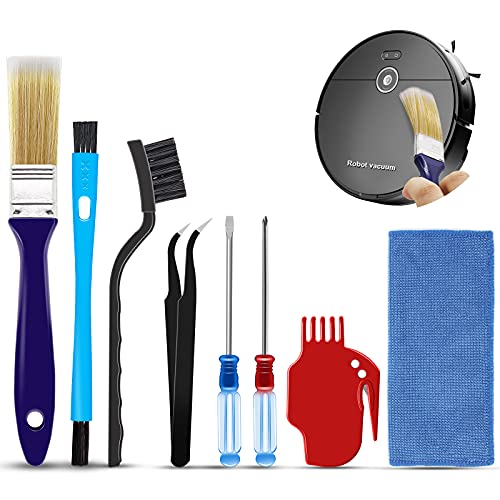
Midukit vacuum cleaning kit for robot, dyson. Vacuum cleaning tool includes Cleaning Brush, tweezers, screwdriver (Phillips, Slotted), double-end cleaning brush, 2 in 1 hair cutter hooks, Cleaning Cloth. Easier to clean the hair inside the roller, dust, sand and mud.
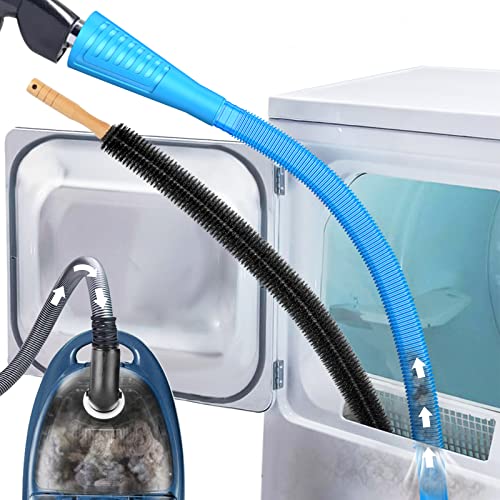
[REMOVE LINT BUILD-UP] - Sealegend dryer vent cleaner dryer replacement parts removes lint that has accumulated for many years in your dryer vents, making your appliance runs more efficiently and securely.

[Deep Dryer Vent & Lint Screen Cleaning] — Keep hidden lint from building up inside dryer vents and around lint screens. This dryer lint vacuum attachment works as a lint cleaner for dryer vent trap, helping remove trapped lint, dust, and debris to support smooth airflow and routine dryer maintenance.
Frequently Asked Questions
How to Make Your Vacuum Last Longer?
To make a vacuum last longer, one should follow vacuum maintenance tips, adhere to a filter cleaning schedule, implement proper storage techniques, and practice effective cord management to prevent damage and guarantee peak performance.
Why Put Cinnamon in a Vacuum?
Adding cinnamon to a vacuum enhances carpet cleaning by providing cinnamon benefits as a natural deodorizer, creating a fresh scent. This practice can improve indoor air quality while potentially deterring pests during regular vacuuming sessions.
What Does Putting Baking Soda Before Vacuuming Do?
Sprinkling baking soda before vacuuming enhances vacuum odor absorption, loosens dirt from carpet fibers, and acts as a cleaning carpet freshener. Its moisture properties contribute to appliance maintenance tips, preventing residue buildup and improving vacuum performance.
What Is the Average Lifespan of a Vacuum Cleaner?
The average vacuum cleaner, after enduring countless crumbs and pet hair tragedies, tends to last around eight years. Brand quality, maintenance tips, and usage frequency show their true colors when replacement signs inevitably emerge.
Conclusion
In summary, extending the lifespan of a vacuum cleaner requires consistent maintenance and attention to detail. By following the outlined practices, such as regularly cleaning filters and inspecting attachments, users can guarantee their equipment remains effective over time. Why risk the efficiency of a high-quality tool by neglecting its care? Prioritizing these maintenance tasks not only enhances performance but also protects the user’s investment, ultimately resulting in a cleaner home environment and a longer-lasting vacuum.


