As an Amazon Associate, we earn from qualifying purchases. Some links on this site are affiliate links at no extra cost to you. Our recommendations are based on thorough research and editorial judgment.

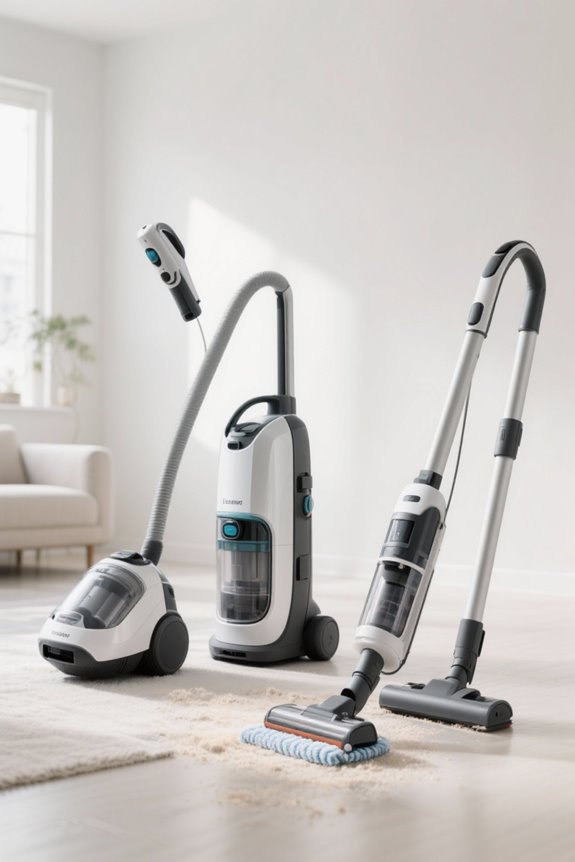
The Role of Sealed Systems in Controlling Dust Leaks From Vacuums

Sealed vacuum systems play an essential role in controlling dust leaks through advanced sealing features, such as rubber gaskets and tight dust bin covers. These components enhance filtration, ensuring that 99.97% of particles as small as 0.3 microns are captured by HEPA filters. By minimizing air recirculation, sealed systems maintain cleaner indoor air quality and reduce allergens, ultimately supporting better respiratory health. Understanding these features can provide insight into their effectiveness and overall performance.
Key Takeaways
- Sealed vacuum systems prevent dust leaks by utilizing rubber gaskets and airtight covers, ensuring all air passes through the filtration process.
- By containing allergens within the vacuum, sealed systems improve indoor air quality and reduce respiratory issues associated with dust exposure.
- High-quality HEPA filters in sealed vacuums capture 99.97% of particles, preventing tiny allergens from escaping back into the environment.
- Compared to non-sealed vacuums, sealed designs are more efficient in trapping and minimizing pollutants, promoting healthier living spaces.
- Regular maintenance of seals and gaskets ensures optimal performance of sealed systems, thereby enhancing their ability to control dust leaks effectively.
Understanding Sealed Vacuum Systems
A sealed vacuum system operates by ensuring that all air drawn into the unit is subjected to a thorough filtration process. These sealing systems incorporate features like rubber gaskets and tight-fitting dust bin covers, effectively preventing dust leaks and unfiltered air from escaping. This design noticeably boosts vacuum efficiency and suction power, allowing for effective filtration of particles. HEPA filters capture 99.97% of particles as small as 0.3 microns, contributing to improved indoor air quality. Non-sealed vacuums, in contrast, allow the recirculation of harmful particles, compromising health standards. The U.S. Environmental Protection Agency mandates these designs to prevent air leakage, ensuring compliance with stringent air quality regulations. Overall, sealed vacuum systems represent an essential step in efficient dust control. Vacuums with advanced filtration systems not only improve air quality but also enhance cleaning performance, especially for allergy sufferers.
The Importance of Containing Dust Leaks

Containing dust leaks in vacuum systems stands as a vital consideration for maintaining excellent air quality indoors. Sealed systems are designed to prevent even minor particles, including allergens and toxins, from re-entering the environment. This is important because the U.S. EPA highlights that HEPA filters should eliminate air bypassing, ensuring effective filtration. Non-sealed vacuums may greatly contribute to indoor air pollution, with research showing indoor air can be up to five times more polluted than outdoor air. High-quality vacuums utilize robust rubber gaskets and tight-fitting dust bin covers to enhance dust containment. These features are necessary for minimizing respiratory issues, promoting a cleaner living environment through improved vacuum filtration and effective dust containment in everyday use. Additionally, UV-C light technology in vacuum cleaners plays a crucial role in reducing allergens by effectively killing dust mites and other microorganisms, further contributing to maintaining a healthy indoor environment.
How Sealed Systems Enhance Vacuum Efficiency

Sealed systems greatly enhance vacuum efficiency by ensuring that all air entering the vacuum passes through the filtration process. This design minimizes dust and particulate matter recirculation, contributing to cleaner air in homes. Efficient sealing features, such as rubber gaskets and tight-fitting dust bin covers, prevent unfiltered air from escaping, ensuring that HEPA filters perform at ideal levels. These filters can capture 99.97% of particles as small as 0.3 microns, considerably improving indoor air quality. For allergy sufferers, sealed systems are particularly beneficial, as they reduce the risk of allergens escaping back into the environment. The result is a vacuum that not only cleans efficiently but also enhances the overall health of the home’s air. A sealed system with Anti-Allergen Complete Seal Technology further ensures that allergens are effectively trapped, providing relief and improved air quality for individuals with sensitivities.
Comparing Sealed and Non-Sealed Vacuum Designs
When evaluating vacuum cleaners, distinct differences emerge between sealed and non-sealed designs. Sealed systems are engineered to prevent dust leaks, ensuring that all drawn air passes through high-efficiency air filtration, often utilizing HEPA filters. This construction promotes ideal vacuum performance, releasing only clean, filtered air back into the environment. In contrast, non-sealed vacuum designs may allow tiny particles and allergens to escape, reintroducing them into indoor air, which can compromise air quality. In addition, sealed vacuums frequently include rubber gaskets and tight-fitting dust bin covers, reinforcing their integrity and efficiency. By minimizing allergens and pollutants, sealed systems contribute to a healthier living environment, making them a preferable choice for maintaining clean air indoors. Many modern vacuums, such as the Shark Navigator Lift-Away series, feature sealed systems with HEPA filters that capture 99.9% of dust and allergens, ensuring superior indoor air quality.
The Health Benefits of Improved Dust Containment
How can improved dust containment in vacuum systems bolster indoor air quality? Sealed vacuums, equipped with superior HEPA filtration, capture 99.97% of particles as small as 0.3 microns. This effective mechanism considerably reduces the release of airborne dust irritants back into the air, aiding in the maintenance of cleaner air quality. Properly sealed systems also eliminate the risk of unfiltered air escaping during operation, contributing to healthier indoor environments. These features are especially beneficial for allergy sufferers and individuals with respiratory conditions, as they minimize allergens and pollutants. The implementation of improved dust containment strategies ultimately enhances the overall well-being of occupants, creating safer living spaces free from harmful, resuspended dust and particles. A vacuum model like the Shark Rocket Ultra-Light is particularly advantageous due to its lightweight design and strong suction capability, ensuring efficient allergen removal without loss of power.
Best Practices for Maintaining Sealed Vacuum Systems
Maintaining the effectiveness of sealed vacuum systems requires attention to several best practices that assure peak performance and longevity. Regular inspection and replacement of worn seals, gaskets, and dust bin covers help to prevent air leaks and guarantee a tight seal, essential for effective filtration. Proper assembly of components is vital, as even minor misalignments can compromise the filtration system, leading to airflow issues. Users should clean filters and dust bins according to manufacturer recommendations to avoid clogs that can cause air bypass. Utilizing vacuum bags designed for specific models enhances sealing, while storing vacuums in dry environments minimizes moisture damage. Adopting these maintenance practices notably contributes to the durability and efficiency of sealed vacuum systems containing HEPA filters. Many modern upright vacuums, such as the Shark Navigator Lift-Away Deluxe, include HEPA filters and sealed systems to trap allergens effectively.
Frequently Asked Questions
What Is a Sealed System Vacuum?
A sealed system vacuum utilizes advanced vacuum technology, ensuring ideal dust containment and filtration efficiency. Its robust design features enhance suction power, leading to improved air quality while providing consumer benefits and simplifying maintenance practices during product comparisons.
Does Vacuuming Prevent Dust?
Vacuuming can effectively collect dust and control allergens, enhancing home cleaning and air quality. Proper vacuum design, maintenance tips, and appropriate filter types, especially those with high suction power, are essential for minimizing dust mites and ensuring maximum effectiveness.
What Is the Principle of Vacuum Machine?
A vacuum machine operates on suction force, driven by motor efficiency. It manages air pressure for dust containment, utilizing various filtration types and maximizing container capacity, while balancing noise levels, maintenance frequency, and energy consumption.
Is Separating Dirt From Air in a Vacuum Cleaner Filtration?
Separating dirt from air in a vacuum cleaner filtration system enhances vacuum efficiency by ensuring effective dust capture and allergens removal. Proper particle retention, combined with bagless technology and filter maintenance, supports ideal indoor air quality and suction power.
Conclusion
Sealed vacuum systems represent a fortress against dust leaks, symbolizing both cleanliness and health. By effectively containing harmful particles, these systems considerably enhance overall performance and efficiency. Improved designs reduce health risks, creating a safer environment. Moreover, regular maintenance guarantees that these systems remain high-quality in functionality. As dust drifts away like forgotten memories, users enjoy a cleaner, more breathable space, underscoring the essential role of sealed systems in everyday life and health.


